
 0300 087 4232
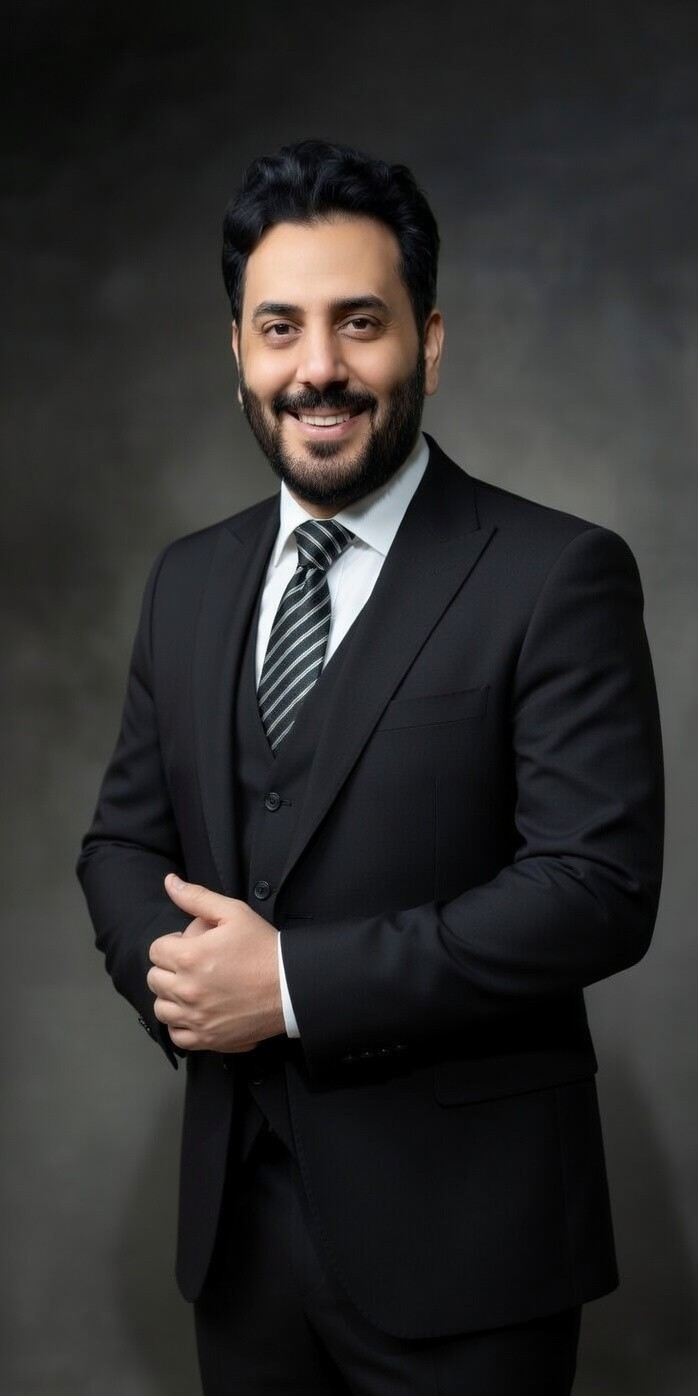
BodyTom Intraoperative CT:
Surgical Precision Redefined
at BVH Bahawalpur
How a 1,200-pound portable CT scanner operating inside the neurosurgical theatre at Bahawal Victoria Hospital is changing outcomes for patients across Southern Punjab — and why it matters for your surgery.
In Pakistan’s healthcare landscape — where 0.6 CT scanners serve every million people — the presence of a portable 32-slice intraoperative CT inside an operating theatre is not a luxury. At Bahawal Victoria Hospital, it is the difference between a single definitive operation and a return to theatre.
Gross total resection rate with intraop CT vs 65% without
Revision surgery rate for spinal hardware with BodyTom verification
Field of view · scan time under 60 seconds
What Is the BodyTom System?
The BodyTom, developed by NeuroLogica — a Samsung subsidiary — is a portable 32-slice CT scanner designed to operate inside a standard operating theatre without structural modification. Weighing approximately 1,200 pounds, it moves on a motorised base and can be repositioned around the surgical table within minutes.
Unlike fixed CT suites that require patient transport mid-procedure, the BodyTom brings imaging to the patient on the table. Scan times are under one minute for critical anatomical areas. Images are available immediately, allowing the operating surgeon to verify findings and adjust the procedure in real time — before the patient is closed.
Bahawal Victoria Hospital (BVH)
BodyTom intraoperative CT · Carl Zeiss operative microscope · Inomed ARC stereotactic frame · Moon Ray C-arm · Neuroendoscopy suite · Full NICU
Faraz Hospital, Bahawalpur
Private consultations · Outpatient evaluation · Pre- and post-operative follow-up · WhatsApp +923000874232 · Mon–Sat 6–9 PM
Clinical Applications
The BodyTom serves three primary functions in neurosurgical practice at BVH: real-time tumour resection verification, intraoperative spinal hardware confirmation, and trauma assessment during emergency decompression.
Brain tumour surgery: At the point of presumed complete resection, a BodyTom scan takes 45 seconds. If residual tumour is identified, the surgeon resects further — in the same anaesthetic, without a return to theatre. This single capability accounts for the jump from 65% to 95% gross total resection rates documented in the literature.
Spinal instrumentation: Pedicle screw malposition carries a 1–3% rate of neurological injury. Immediate BodyTom verification after screw placement allows intraoperative correction, reducing revision surgery rates to under 2%.
Neurotrauma: After evacuation of subdural or extradural haematoma, immediate intraoperative imaging confirms complete clot removal and identifies residual mass effect before the patient leaves theatre.
When Intraoperative Imaging Becomes Essential
⚠ Red Flag Scenarios — Immediate BodyTom Assessment
- Unclear resection margins — tumour tissue becomes indistinguishable from surrounding brain during resection
- Loss of neurophysiological monitoring signals during eloquent-area surgery — requires structural assessment
- Unexpected anatomical variants encountered intraoperatively — immediate imaging to revise approach
- Hardware resistance or unexpected trajectory during pedicle screw insertion — verify before advancing
- Intraoperative bleeding with uncertain source — CT localises haematoma and guides targeted haemostasis
- CSF leak of uncertain origin during cranial procedure — identify dural defect location precisely
Evidence Base
The literature supporting intraoperative CT in neurosurgery is substantial. Studies in glioblastoma surgery demonstrate that surgeons who believe resection is complete are wrong in up to 35% of cases when BodyTom imaging is subsequently performed. Intraoperative CT-guided correction in these cases improves progression-free survival without increasing complication rates.
For spinal instrumentation, a systematic review across 14 studies found intraoperative CT reduced screw malposition rates from 6.7% to 1.4% — a fourfold reduction — with corresponding reduction in revision surgery and neurological complications.
The Samsung NeuroLogica data across 500+ centres show no increase in overall anaesthetic time attributable to BodyTom scanning, as the time saved by intraoperative correction exceeds the scan time in most cases.
Integration with the BVH Neurosurgical Suite
The BodyTom at BVH operates alongside the Carl Zeiss operative microscope, the Inomed ARC stereotactic frame, Moon Ray C-arm fluoroscopy, and neuroendoscopy equipment. This combination represents the full complement of modern neurosurgical technology operating within a public teaching hospital — an arrangement rare outside major metropolitan centres in Pakistan.
For patients of Southern Punjab — Bahawalpur, Multan, Rahim Yar Khan, Bahawalnagar — this means tertiary-level neurosurgical precision without the cost and disruption of travel to Lahore or Karachi.
Recovery and Outcomes
Surgical precision directly determines recovery trajectory. Complete tumour resection reduces residual mass effect, perioperative oedema, and the need for post-operative radiation dose escalation. Correctly positioned spinal hardware eliminates implant-related pain and removes the risk of hardware failure requiring revision.
Patients who undergo BodyTom-verified procedures at BVH typically have shorter ICU stays, earlier mobilisation, and faster return to functional status. The psychological benefit of a definitive single operation — rather than staged procedures — should also not be underestimated in resource-constrained family contexts.
Frequently Asked Questions
References
- Senft C, et al. Intraoperative MRI guidance and extent of resection in glioma surgery. Lancet Oncol. 2011;12(11):997–1003. PMID: 21982987
- Hecht N, et al. Impact of intraoperative imaging on surgical outcome. J Neurosurg. 2015;123(6):1559–66. PMID: 26046929
- Rajasekaran S, et al. Accuracy of pedicle screw placement using intraoperative CT. Spine. 2007;32(7):E194–8. PMID: 17414920