
 AI WhatsApp 0300 087 4232

neurology
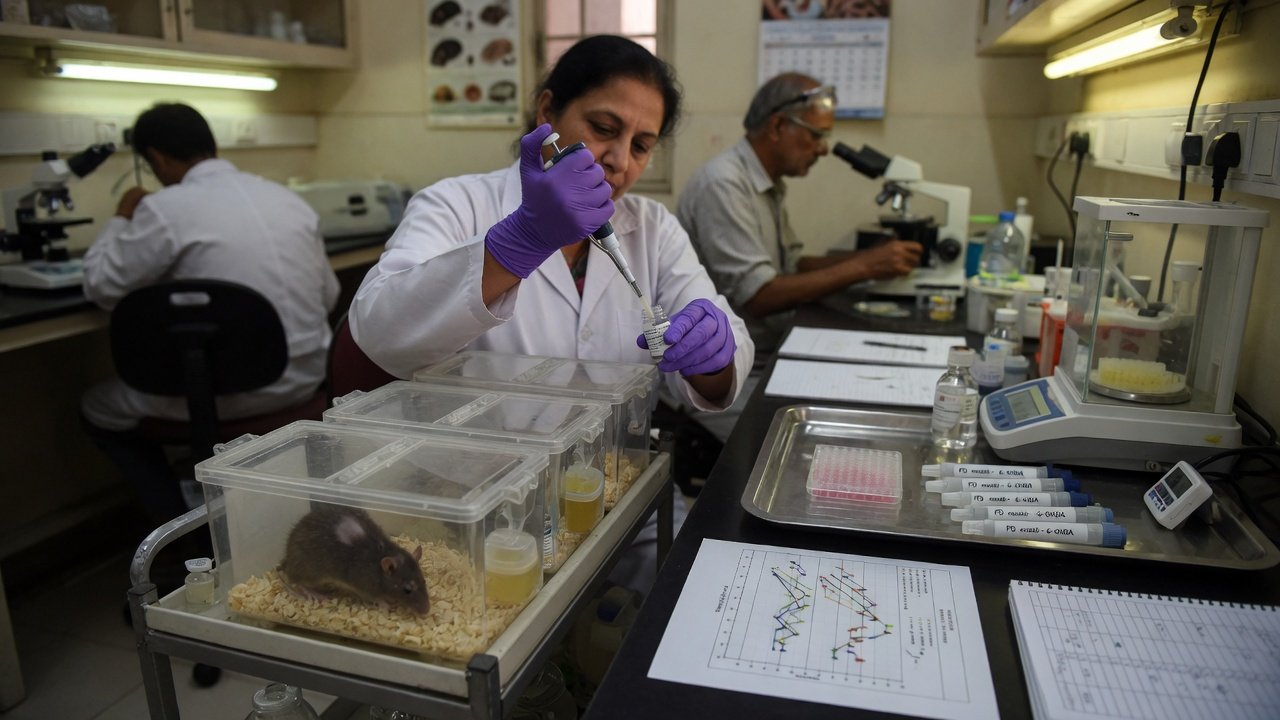
A scientific report describes work on quercetin nanoparticles tested in a rat model of Parkinson’s disease. The study examined whether this formulation might influence neurochemical changes and motor deficits that appear in the animal model. Results are presented as indicating a potential therapeutic effect within that experimental setting. The research is preclinical and limited to rats; it does not demonstrate safety or benefit in people. Parkinson’s disease involves progressive loss of certain brain cells and produces motor and non-motor symptoms that require specialist care. Nanoparticle delivery is an area of ongoing laboratory investigation aimed at improving how compounds reach the brain, yet translation from rodent models to human therapy is uncertain and lengthy. No dosing, clinical protocol, or patient advice can be inferred from the title and available information alone. Larger, carefully controlled studies would be required before any conclusion about human use could be considered. Patients should continue evidence-based treatments prescribed by their neurologists.
Parkinson’s disease affects many families in Pakistan and among the diaspora; laboratory work on new formulations is encouraging to follow, yet it remains experimental and must not replace established medical and surgical care advised by specialists.
Educational digest only — not personal medical advice. Discuss decisions with your treating clinician.
AI WhatsApp: 0300 087 4232 — booking & PA assistant
AI booking & PA assistant — appointments and a brief note on lab reports. Does not diagnose. Does not interpret imaging for patients. Emergencies escalate to the doctor. AI limits & privacy
Emergency — direct Dr Wasif: 0345 825 4232 (not for routine booking)
