
 AI WhatsApp 0300 087 4232

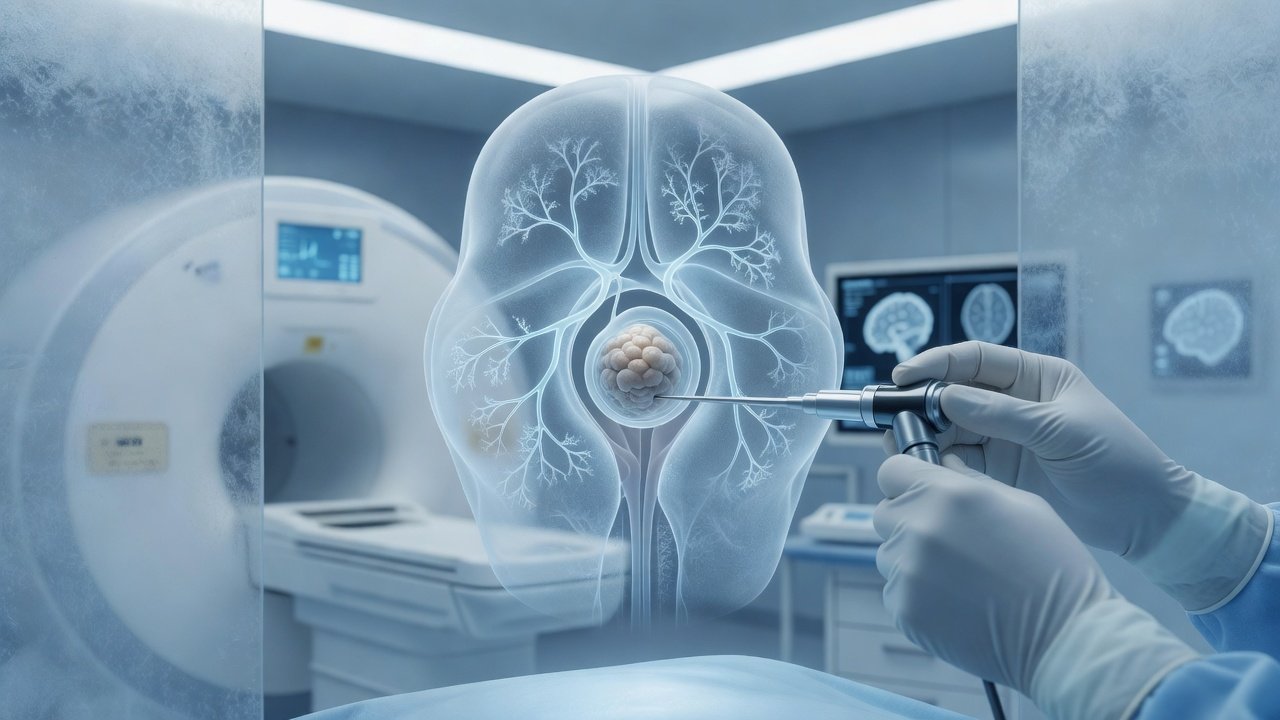
Pituitary Adenoma Endoscopic Endonasal Outcomes: Remission and Complications
Endoscopic endonasal surgery remains the workhorse skull-base approach for most sellar and selected suprasellar pituitary adenomas—both hormone-secreting and nonfunctioning. Contemporary series and guideline-aligned reviews continue to refine expected endocrine remission rates, extent of resection, and morbidity so that counseling and operative planning stay realistic rather than optimistic.
What changed / Why it matters
High-volume endoscopic endonasal cohorts and pooled analyses show that outcomes track tumor biology, size, and cavernous sinus invasion more than the endoscope itself. For nonfunctioning adenomas, gross-total resection is commonly achieved in roughly two-thirds to over four-fifths of enclosed lesions; rates fall when Knosp grade is high. Visual-field improvement is frequent when chiasmal compression is recent. New permanent hypopituitarism is uncommon with careful gland preservation, though preexisting deficits often persist.
For functioning tumors, biochemical targets define “remission,” not merely a clean MRI. Cushing disease microadenomas frequently reach early remission in the 70–90% range in experienced hands; macroadenomas and MRI-negative disease lower that figure and raise the chance of needing staged medical, radiosurgical, or repeat surgical care. Acromegaly biochemical control after primary endoscopic resection is more modest—often cited in the mid-50% to ~80% band—tightly linked to preoperative IGF-1/GH burden and lateral invasion; many patients still need somatostatin analogues or other adjuvant therapy. Prolactinomas are usually managed medically first; when surgery is chosen (resistance, intolerance, apoplexy, or cerebrospinal fluid leak), enclosed microadenomas show high early normalization rates, again dropping with invasion.
Complication profiles in modern endoscopic series are generally favorable but not zero. Transient diabetes insipidus is relatively common; permanent DI is typically low single-digit percent. Postoperative CSF leak requiring repair is often reported around 1–5% with multilayer closure and selective lumbar drainage. Meningitis, epistaxis needing return to theatre, and carotid injury remain rare in dedicated teams. Sinonasal morbidity (crusting, hyposmia) is usually temporary with structured ENT aftercare. These figures matter for a Bahawalpur–south Punjab referral mix: they frame honest consent, timing of early morning cortisol/IGF-1/prolactin pathways, and when to plan adjuvant endocrine or radiation pathways rather than promising a single definitive operation.
Skill-set relevance is direct: angled endoscopy, two-surgeon four-hand technique, recognition of the weak diaphragma, and disciplined cavernous-sinus decision-making separate durable remission from avoidable leak or gland injury.
Patient takeaway
Endoscopic endonasal removal can control many pituitary adenomas with improving safety, but “cure” depends on tumor type and invasion. Hormone-secreting disease needs blood-test remission criteria; nonfunctioning disease prioritizes decompression, safe maximal resection, and pituitary axis protection. Ask your team for your Knosp/invasion category, expected biochemical targets, and the local plan for CSF-leak prevention and hormone coverage. مریضوں کے لیے مختصر بات: اینڈوسکوپک سرجری محفوظ اور مؤثر ہو سکتی ہے، مگر مکمل کنٹرول ٹیومر کی قسم اور پھیلاؤ پر منحصر ہے۔
Disclaimer
This post is general educational synthesis of established neurosurgical and endocrine practice patterns for a consultant website audience. It is not personalized advice, not a surgical guarantee, and not a substitute for in-person assessment, imaging review, or multidisciplinary endocrine decision-making.
CTA
Book online: https://rx.drwasifmalik.com
Dr. Wasif Rizwan Malik
Educational only — not a substitute for clinical consultation. This daily brief is separate from the weekly Neuro Council deep-dive. Calendar day 8 — one topic, one upload.
Published by: Dr. Wasif Rizwan Malik
Credentials: MBBS, FCPS (Neurosurgery), PMDC 47983-P
AI WhatsApp: 0300 087 4232 — booking & PA assistant
AI booking & PA assistant — appointments and a brief note on lab reports. Does not diagnose. Does not interpret imaging for patients. Emergencies escalate to the doctor. AI limits & privacy
Emergency — direct Dr Wasif: 0345 825 4232 (not for routine booking)
