
 AI WhatsApp 0300 087 4232

neurology
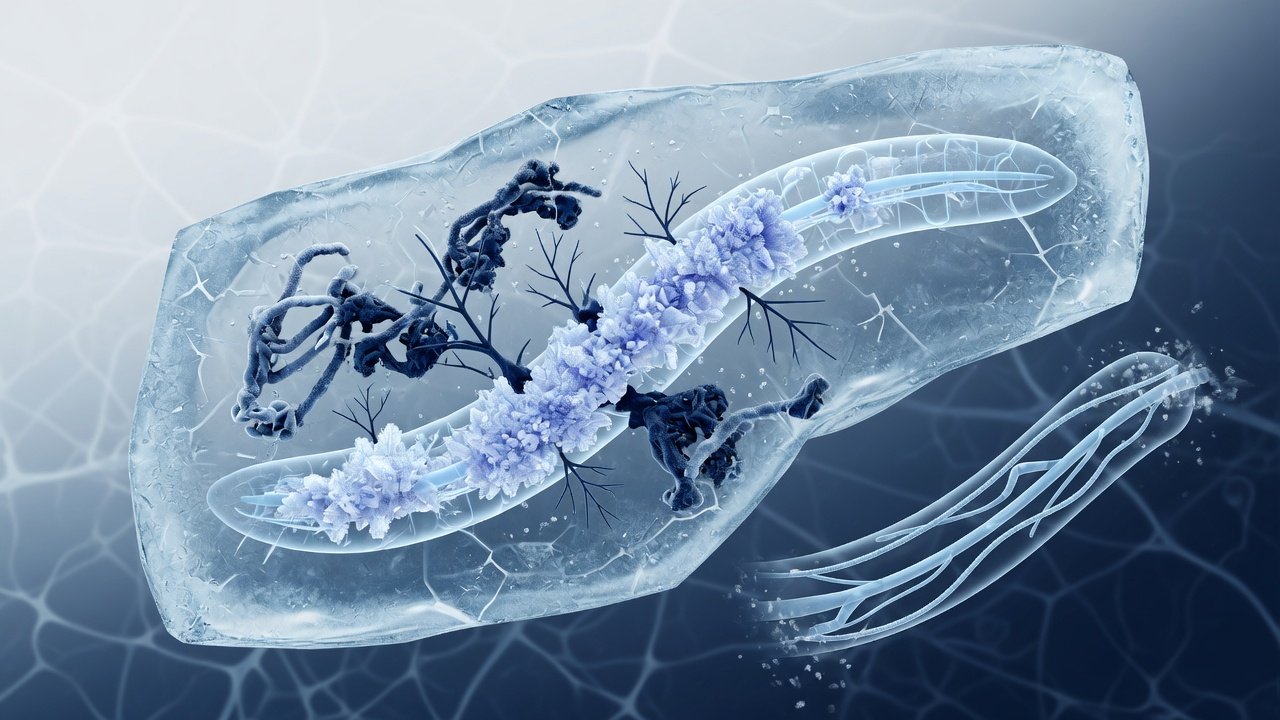
Scientists have identified a molecular switch that may help explain why aging makes the brain more vulnerable to diseases such as ALS and Huntington’s. In studies using worms, the protein EPS8 was observed to build up with age. This accumulation appears to trigger signaling that encourages toxic proteins to clump together, damaging neurons and shortening lifespan. When researchers reduced EPS8 activity, these harmful aggregates were prevented and nerve function was preserved. The work is early and based on a simple animal model, so results cannot be directly applied to people yet. Still, it offers a clearer biological clue about how age-related changes may worsen neurodegeneration. Further studies in more complex systems and eventually humans will be essential. This is laboratory science, not a treatment or diagnostic test available today. Patients and families should treat the finding as a hopeful research direction that may one day guide protective strategies, while continuing established medical care.
For families in Pakistan and the diaspora living with ALS or Huntington’s disease, this early research shows that scientists are actively mapping age-related molecular risks that may one day support better protection of nerve cells.
Educational digest only — not personal medical advice. Discuss decisions with your treating clinician.
AI WhatsApp: 0300 087 4232 — booking & PA assistant
AI booking & PA assistant — appointments and a brief note on lab reports. Does not diagnose. Does not interpret imaging for patients. Emergencies escalate to the doctor. AI limits & privacy
Emergency — direct Dr Wasif: 0345 825 4232 (not for routine booking)
