
 AI WhatsApp 0300 087 4232

neuropsychiatry
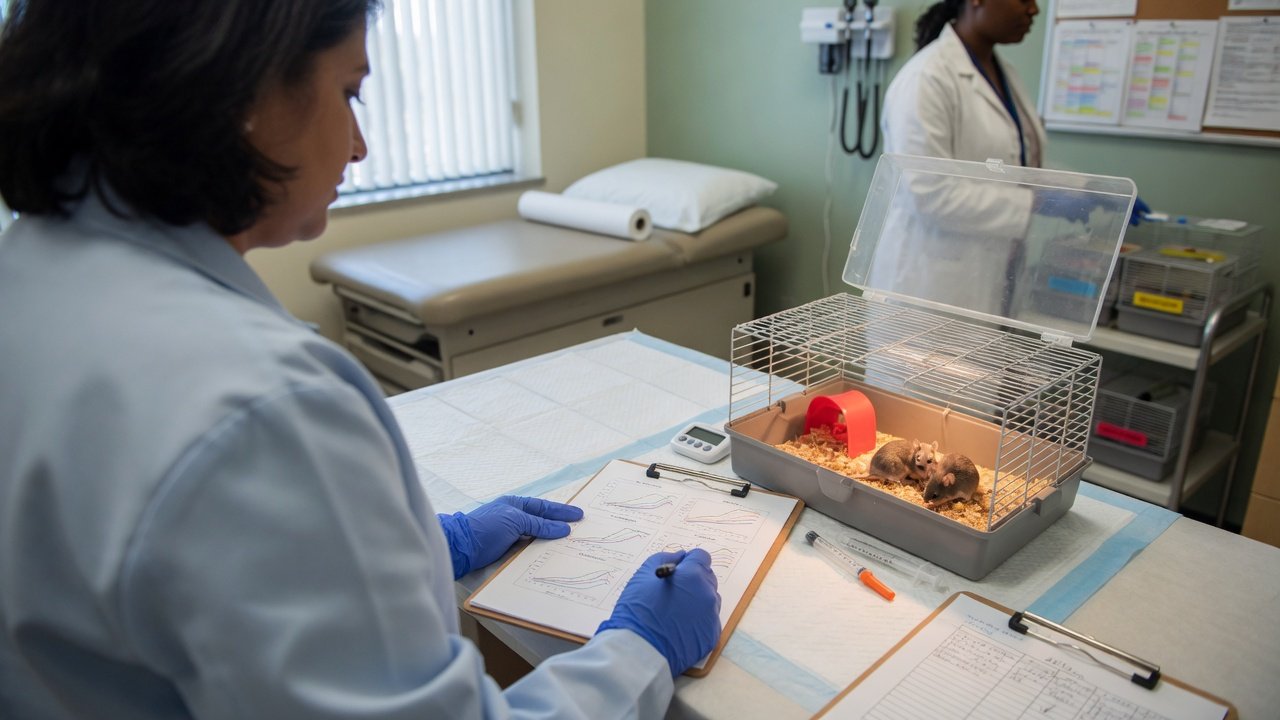
A preclinical report describes blocking the glycine transporter SLC6A20 to restore important brain signaling in autism-related mouse models. Treated animals showed improvements in social interaction, communication-related behaviors, and reduced repetitive actions. The same approach also influenced signaling in human brain organoids. Notably, benefits appeared even when treatment was given to adult mice and showed lasting effects, suggesting greater residual plasticity later in life than often assumed. These findings remain early-stage laboratory results only. They do not establish safety or efficacy in people, and no approved human therapy is described. Extensive further work, including carefully designed clinical studies, would be required before any clinical application. The work is scientifically encouraging for understanding neurodevelopmental biology but must be interpreted with caution and is not medical advice or a treatment recommendation.
For families in Pakistan and the diaspora living with autism, this early research offers cautious scientific hope that biological approaches might one day remain relevant beyond early childhood, while underscoring that current care still centers on proven therapies, education, and specialist support.
Educational digest only — not personal medical advice. Discuss decisions with your treating clinician.
AI WhatsApp: 0300 087 4232 — booking & PA assistant
AI booking & PA assistant — appointments and a brief note on lab reports. Does not diagnose. Does not interpret imaging for patients. Emergencies escalate to the doctor. AI limits & privacy
Emergency — direct Dr Wasif: 0345 825 4232 (not for routine booking)
