0300 087 4232
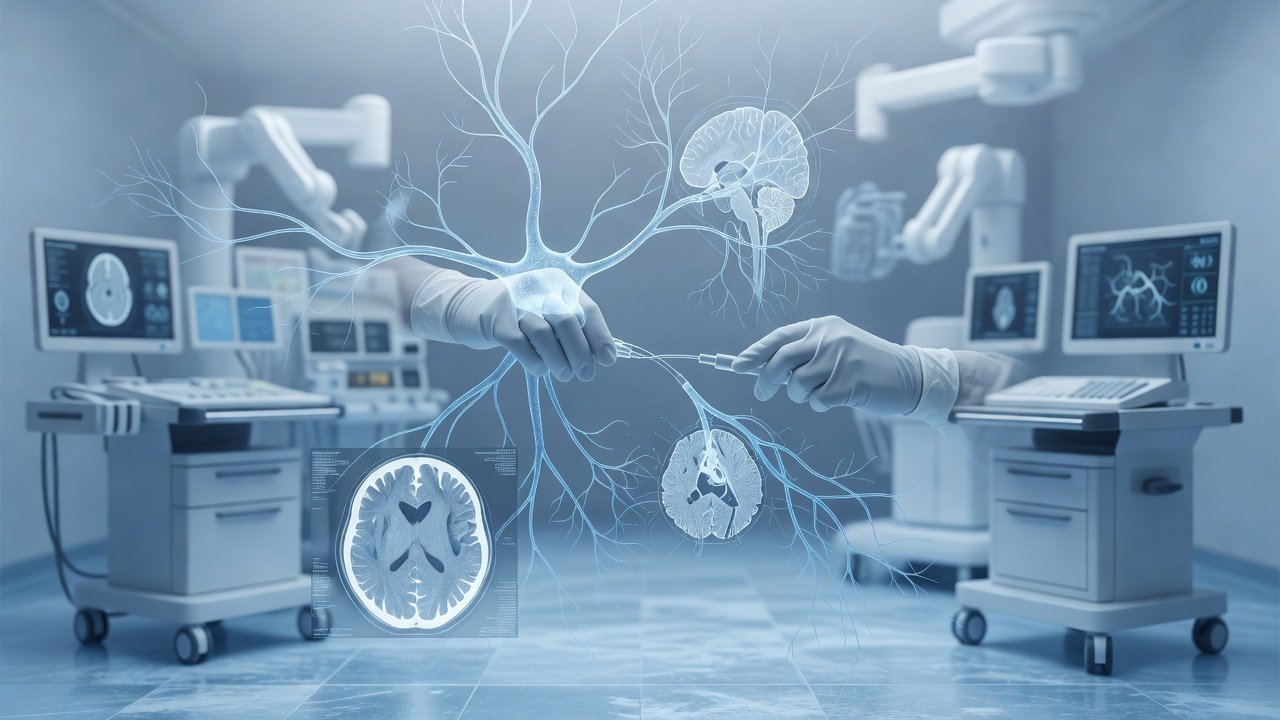
Expanded Endovascular Thrombectomy in Late-Window Stroke
Delayed arrival to the emergency room remains a frequent reality for many patients with acute ischemic stroke across Pakistan. Traffic, distance from comprehensive centres, and limited pre-hospital systems often push presentation well beyond the traditional early time windows. Updated evidence now shows that carefully selected patients can still benefit from endovascular thrombectomy many hours after symptom onset, offering a practical pathway for local stroke teams to salvage brain tissue when the clock has already run long.
What Changed / Why It Matters
Landmark imaging-selection trials established that endovascular therapy is no longer strictly limited to the first 6 hours. In patients with large-vessel occlusion, advanced CT or MR perfusion (or equivalent mismatch criteria) can identify those who retain substantial salvageable penumbra up to 16–24 hours from last known well. These late-window protocols emphasise tissue viability over rigid time cut-offs. For Pakistani centres, this shift is highly relevant: many patients reach hospital in the 6- to 24-hour range. When rapid vascular imaging and a capable neuro-interventional team are available, clot retrieval can still restore flow, reduce final infarct size, and improve functional independence. The key is disciplined patient selection—NIHSS severity, ASPECTS or core-volume thresholds, and confirmed target occlusion—rather than automatic exclusion based on delayed arrival alone. Multidisciplinary stroke pathways that integrate emergency physicians, radiologists, and neurosurgeons/neuro-interventionists are essential to translate these trial-backed windows into routine practice.
Patient Takeaway
If you or a family member develops sudden weakness, speech difficulty, or facial droop, seek emergency care immediately—even if several hours have already passed. Tell the team the exact time the person was last seen normal. In selected cases, endovascular thrombectomy (minimally invasive clot retrieval) may still be possible and beneficial. Early imaging decides eligibility; do not assume it is “too late” without specialist assessment. *فالج کے علامات ظاہر ہونے پر فوراً ہسپتال جائیں؛ دیر سے پہنچنے کے باوجود کچھ مریضوں کا علاج ممکن ہے۔*
Disclaimer
This post is for educational purposes only and does not constitute individual medical advice or diagnosis. Stroke management must be individualised by qualified clinicians using current imaging and clinical criteria. Treatment decisions belong solely to the treating team.
Book consultation: https://rx.drwasifmalik.com | WhatsApp +923458254232
Educational only — not a substitute for clinical consultation. This daily brief is separate from the weekly Neuro Council deep-dive.
Published by: Dr. Wasif Rizwan Malik
Credentials: MBBS, FCPS (Neurosurgery), PMDC 47983-P