
 AI WhatsApp 0300 087 4232

neurology ·Level of evidence: Observational human cohort
Sex and genotype influence the disruption of circulating NMDAR-related amino acids in patients with Parkinson’s disease
npj Parkinson's Disease (Nature Portfolio)
Scientific core
This human study examines circulating amino acids linked to N-methyl-D-aspartate receptor (NMDAR) pathways in people with Parkinson’s disease (PD), asking whether biological sex and genetic background modify the pattern of disruption. NMDAR-related amino-acid balance is relevant to glutamatergic signaling, excitotoxicity concepts, and broader metabolic readouts that have been explored as candidate blood markers in neurodegenerative disease. Because the feed provides title and bibliographic link only, effect sizes, exact metabolites, genotypes, and diagnostic performance are not restated here. The educational value lies in the framing: PD biomarker work increasingly tests effect modification by sex and genotype rather than assuming uniform group differences. Such designs matter for replication, stratified analyses, and avoiding over-generalized “PD signature” claims. Findings of this type remain associative until prospectively validated, standardized analytically, and linked to clinical endpoints.
For neurologists, neurosurgeons involved in PD multidisciplinary care, residents, and students, this reinforces that candidate blood markers may be sex- and genotype-dependent; unstratified cohorts can mislead. It is a prompt to read methods for genotyping panels, fasting/medication status, and confounding by motor phenotype or comorbidities. Do not treat circulating amino-acid panels as diagnostic replacements for clinical criteria and imaging where indicated.
Researchers are studying whether certain amino acids in the blood differ in Parkinson’s disease and whether results vary by sex and genes. This is research information, not a new bedside test. Diagnosis and treatment decisions still rely on clinical assessment by qualified clinicians.
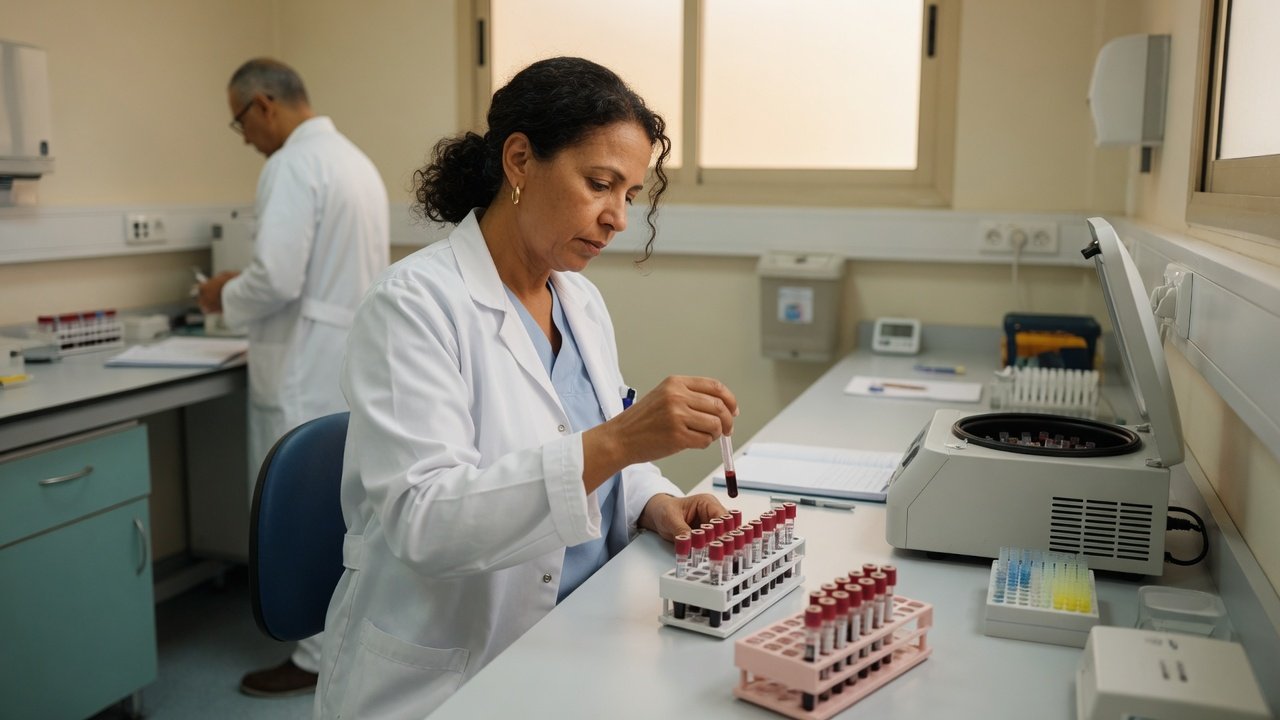
Featured image: AI-generated conceptual editorial image – not from the cited study / not a clinical photograph.
Educational digest only — not personal medical advice, not a diagnosis, and not a treatment recommendation. Discuss decisions with your treating clinician.
AI WhatsApp: 0300 087 4232 — booking & PA assistant
AI booking & PA assistant — appointments and a brief note on lab reports. Does not diagnose. Does not interpret imaging for patients. Emergencies escalate to the doctor. AI limits & privacy
Emergency — direct Dr Wasif: 0345 825 4232 (not for routine booking)
