
 0300 087 4232
neurorehab · Level of evidence: Preclinical/animal
2026
چوہوں میں ایسٹرو سائٹس نقصان زدہ دماغی نیٹ ورکس کی مرمت توقع سے زیادہ فعال طریقے سے کر سکتی ہیں
Scientific core · سائنسی خلاصہ
Science news reporting describes mouse experiments suggesting the adult brain retains a stronger intrinsic repair capacity than many earlier models assumed. Investigators highlight a specialized group of astrocytes—glial support cells—that respond to damaged tissue by helping rebuild lost cellular networks. Rather than only migrating into the injury zone, these cells are described as creating new nuclei and sending them through long cellular extensions to repopulate damaged regions. If confirmed in the primary literature, this mechanism expands thinking about adult CNS plasticity beyond neuron-centered repair and positions astrocytes as active structural rebuilders after injury. For trauma, stroke, and regenerative neurosurgery education, the work is a conceptual bridge from glial biology toward future translational targets, while remaining strictly preclinical. Species limits, injury-model details, and unstated quantitative outcomes are not fully available in the news summary; readers should consult the original paper for methods and limitations. Educational context only—no human therapy is established by this report.
سائنس نیوز رپورٹنگ چوہوں پر تجربات بیان کرتی ہے جن سے لگتا ہے کہ بالغ دماغ کی اندرونی مرمت کی صلاحیت بہت سی پرانی ماڈلز کی نسبت زیادہ ہو سکتی ہے۔ محققین ایسٹرو سائٹس—اعصابی معاون گلیئل خلیوں—کے ایک خاص گروہ کی طرف اشارہ کرتے ہیں جو نقصان زدہ بافت کے جواب میں کھوئے ہوئے خلوی نیٹ ورکس کی تعمیرِ نو میں مدد کرتے ہیں۔ صرف زخمی علاقے میں منتقل ہونے کے بجائے، ان خلیوں کو نئے مرکزے (nuclei) بنانے اور لمبی خلوی شاخوں کے ذریعے انہیں نقصان زدہ حصوں تک بھیجنے کے طور پر بیان کیا گیا ہے۔ اگر اصل مقالے میں تصدیق ہو تو یہ طریقہ کار بالغ مرکزی اعصابی نظام کی لچک کو صرف نیورون مرمت سے آگے لے جاتا ہے اور ایسٹرو سائٹس کو چوٹ کے بعد فعال تعمیرکار بناتا ہے۔ ٹراما، فالج، اور بحالی نیورو سرجری کی تعلیم کے لیے یہ گلیئل حیاتیات سے مستقبل کی تحقیق تک ایک تصوراتی پل ہے، مگر ابھی محض پری کلینیکل سطح پر ہے۔ خبر میں مکمل طریقہ کار اور اعداد نہیں؛ اصل پیپر دیکھیں۔ صرف تعلیمی سیاق، انسانی علاج ثابت نہیں۔
Neurosurgeons and neurotrauma teams should not alter prognosis talks or protocols based on mouse astrocyte repair findings; standards of care remain unchanged. Trainees can use the concept to deepen reading on astrocyte heterogeneity, glial scar biology, and regenerative strategies after brain injury. It is valuable basic-science context for journal clubs and research planning, not a bedside tool.
نیورو سرجنز اور نیورو ٹراما ٹیمیں چوہوں میں ایسٹرو سائٹ مرمت کے نتائج کی بنیاد پر پیشن گوئی یا پروٹوکول نہ بدلیں؛ معیاری علاج ویسا ہی رہتا ہے۔ ٹرینیز ایسٹرو سائٹ تنوع، گلیئل اسکار، اور دماغی چوٹ کے بعد بحالی کی حکمت عملیوں پر مطالعہ گہرا کر سکتے ہیں۔ جرنل کلب اور ریسرچ منصوبہ بندی کے لیے مفید بنیادی سائنس ہے، بسترِ علالت کا آلہ نہیں۔
In mice, certain brain support cells called astrocytes may help rebuild injured areas more actively than scientists once believed. This is laboratory research that may guide future studies. It does not mean a new human treatment is available now.
چوہوں میں دماغ کے کچھ معاون خلیے—ایسٹرو سائٹس—زخمی حصوں کی مرمت میں پہلے کے اندازوں سے زیادہ فعال مدد کر سکتے ہیں۔ یہ لیبارٹری کی تحقیق ہے جو مستقبل کی مطالعات کی راہ دکھا سکتی ہے۔ اس کا مطلب یہ نہیں کہ اب انسانی علاج دستیاب ہے۔
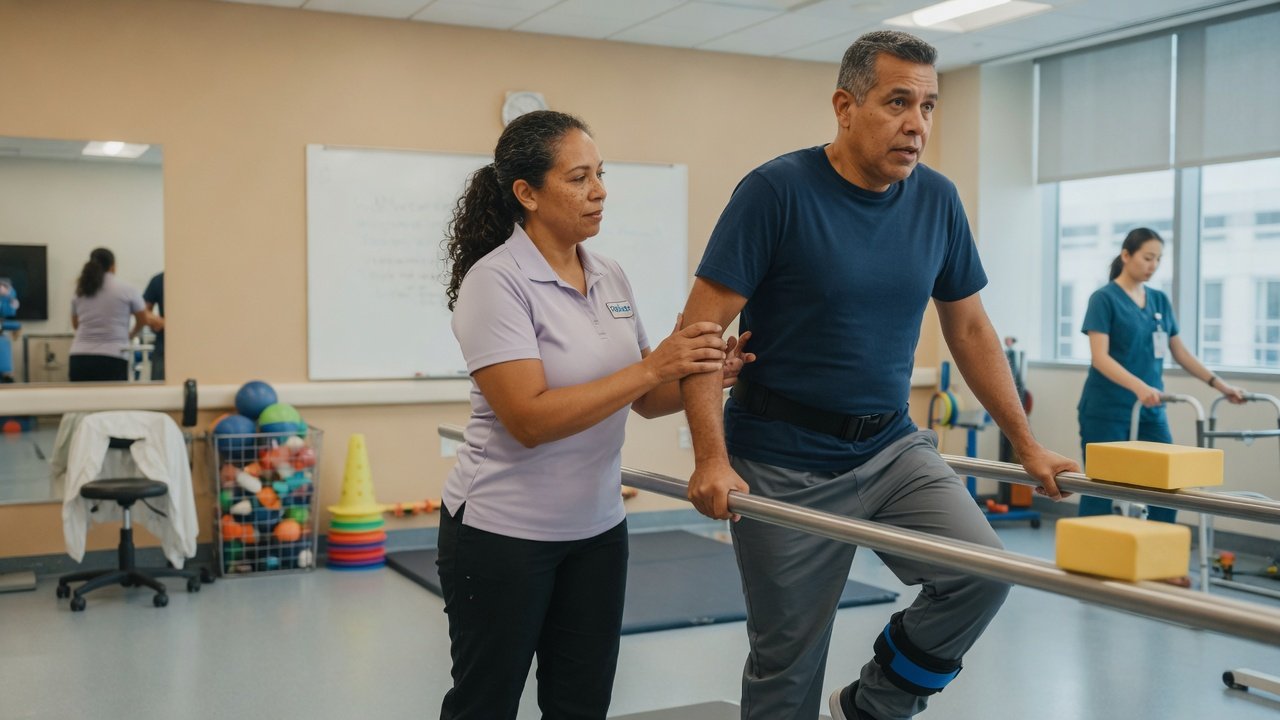
Featured image: AI-generated conceptual editorial image – not from the cited study / not a clinical photograph. تصویر: مصنوعی ذہانت سے تیار کردہ تصویری اداریہ — حوالہ شدہ تحقیق سے نہیں / کلینیکل فوٹو نہیں۔
Read the source → | اصل ماخذ پڑھیں ←
Educational digest only — not personal medical advice, not a diagnosis, and not a treatment recommendation. Discuss decisions with your treating clinician. یہ صرف تعلیمی خلاصہ ہے — ذاتی طبی مشورہ، تشخیص یا علاج کی سفارش نہیں۔ فیصلے اپنے معالج سے کریں۔
