0300 087 4232
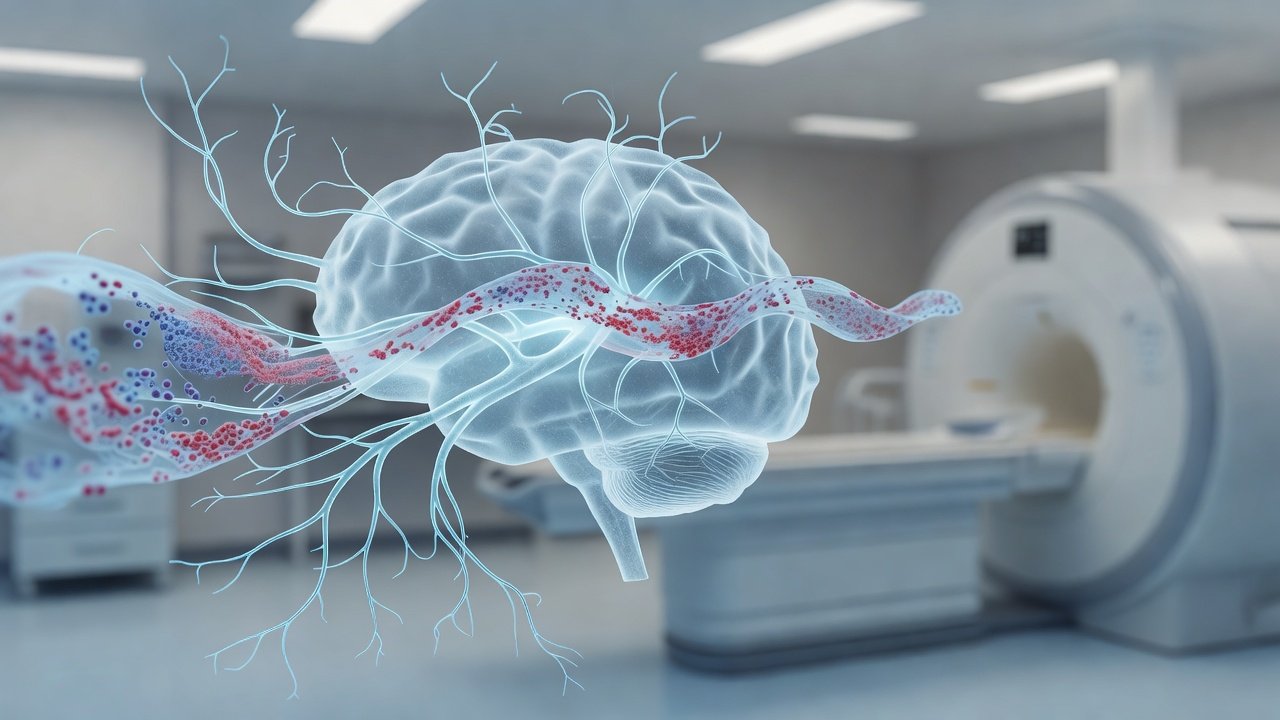
Blood biomarkers for Alzheimer diagnosis
Blood-based tests that detect Alzheimer-related proteins are moving from research labs into clinical conversation worldwide. For clinicians and families in Pakistan, where access to amyloid PET scans and specialist lumbar puncture services is limited and costly, validated plasma biomarkers offer a more practical path toward earlier recognition of Alzheimer pathology and timely counselling.
What changed / Why it matters
Alzheimer disease is defined biologically by amyloid-β plaques and tau neurofibrillary tangles, not by memory loss alone. For years, confirming that pathology required cerebrospinal fluid analysis after lumbar puncture or expensive molecular PET imaging—tools that remain scarce outside major centres. Recent advances centre on highly sensitive blood assays, especially phosphorylated tau (p-tau) species such as p-tau217 and p-tau181, often combined with ratios involving amyloid-β peptides or other markers of neurodegeneration. These plasma measures correlate strongly with brain pathology and can help distinguish Alzheimer disease from other causes of cognitive decline when interpreted alongside clinical assessment, cognitive testing, and structural imaging.
Why this matters locally: an accessible Alzheimer blood test could reduce diagnostic delay, support earlier discussion of modifiable vascular and lifestyle risks, and help prioritise who truly needs referral for advanced imaging or specialist memory services. It does not replace a full work-up. Thyroid dysfunction, B12 deficiency, depression, medications, sleep apnoea, and cerebrovascular disease still need systematic exclusion. Biomarker results are probabilistic aids, not standalone diagnoses, and performance can vary with assay platform, kidney function, and pre-analytical handling. Pakistani clinicians will need clear referral pathways, quality-controlled laboratories, and careful communication so that a “positive” blood result is never treated as a sentence but as one piece of a larger clinical picture.
Patient takeaway
If you or a relative has progressive forgetfulness, language difficulty, or change in daily function, start with a proper medical evaluation rather than seeking a single blood test in isolation. Ask your doctor whether cognitive screening, basic blood work, and brain imaging are appropriate first, and whether an Alzheimer-related plasma p-tau biomarker might add useful information later. Early assessment improves planning, safety, and treatment of reversible contributors. One accessible reminder: دماغی صحت کی جلد جانچ سے بہتر رہنمائی ممکن ہے۔ Bring a family member who knows the timeline of symptoms, a medication list, and prior reports to any consultation.
Disclaimer
This post is for general education only. It does not constitute personal medical advice, diagnosis, or treatment, and it does not replace consultation with a qualified physician. Biomarker availability, indications, and interpretation standards continue to evolve; decisions must be individualised by the treating clinician.
CTA
Book consultation: https://rx.drwasifmalik.com | WhatsApp +923458254232
Educational only — not a substitute for clinical consultation. This daily brief is separate from the weekly Neuro Council deep-dive.
Published by: Dr. Wasif Rizwan Malik
Credentials: MBBS, FCPS (Neurosurgery), PMDC 47983-P