
 AI WhatsApp 0300 087 4232

neurooncology
Scientific core
Researchers describe a surprising pathway in which triple-negative breast cancer may turn the body’s own systems against itself. Tumors appear to recruit macrophages—immune cells usually involved in healing and fighting infection—and use them to release a protein called BDNF that draws nerves into the tumor. Those nerves may then support cancer growth, treatment resistance, and potentially spread. The report frames this as a nerve network that can feed the tumor’s behavior. This is laboratory and disease-biology research, not a proven clinical therapy or a reason to alter standard cancer care on its own. Understanding how nerves and immune cells interact inside tumors may one day guide new strategies, but patients should continue evidence-based oncology plans and ask their cancer team before considering any experimental approach.
It connects tumor biology with nerve signaling, a theme relevant to neuro-oncology thinking about how nerves may influence cancer behavior.
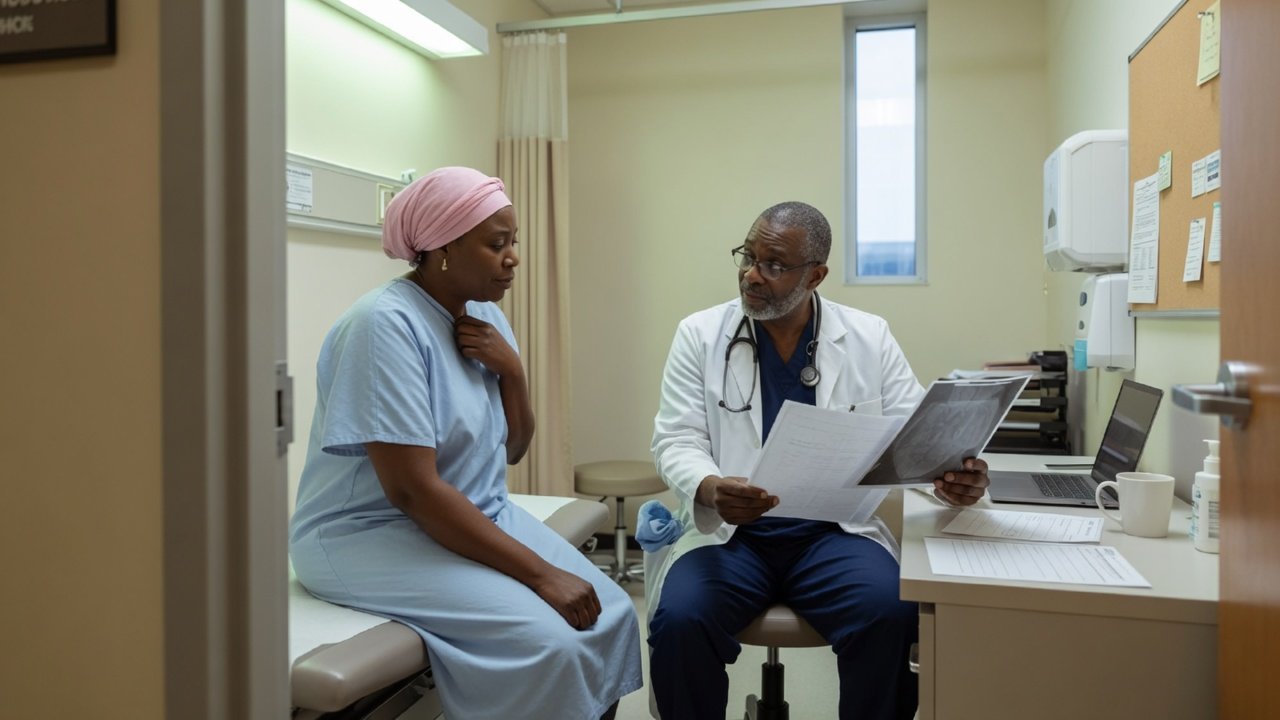
Featured image: AI-generated conceptual editorial image – not from the cited study / not a clinical photograph.
Educational digest only — not personal medical advice, not a diagnosis, and not a treatment recommendation. Discuss decisions with your treating clinician.
AI WhatsApp: 0300 087 4232 — booking & PA assistant
AI booking & PA assistant — appointments and a brief note on lab reports. Does not diagnose. Does not interpret imaging for patients. Emergencies escalate to the doctor. AI limits & privacy
Emergency — direct Dr Wasif: 0345 825 4232 (not for routine booking)
