
 0300 087 4232
neuropsychiatry · Level of evidence: Randomized trial
Ketamine’s impact on rumination-related brain dynamics: insights from a randomized controlled fMRI trial
Translational Psychiatry · 2026
کیٹامین اور رومینیشن سے جڑی دماغی دینامکس: بے ترتیب کنٹرول شدہ fMRI مطالعہ
Scientific core · سائنسی خلاصہ
This randomized controlled functional MRI trial investigates how ketamine influences brain dynamics associated with rumination—repetitive, self-focused negative thought patterns that commonly accompany mood disorders and can hinder recovery. By combining controlled allocation with neuroimaging, the work aims to move beyond symptom checklists alone and examine network-level or dynamic brain signatures linked to rumination. For the global neuroscience audience, the design is relevant to biological psychiatry, functional imaging methodology, and the broader evaluation of rapid-acting glutamatergic interventions. The public feed item provides the primary title and journal link without full numerical results; therefore effect sizes, exact regions of interest, dosing schedules, and safety endpoints are not invented or restated here. Readers should consult the primary paper for protocol details, statistics, limitations, and generalizability. This digest is educational only and is not clinical advice or a treatment recommendation.
یہ بے ترتیب کنٹرول شدہ فنکشنل ایم آر آئی (fMRI) ٹرائل جانچتا ہے کہ کیٹامین رومینیشن—بار بار دہرائے جانے والے، خود پر مرکوز منفی خیالات—سے وابستہ دماغی دینامکس کو کیسے متاثر کرتا ہے، جو موڈ ڈس آرڈرز میں عام ہیں اور بحالی میں رکاوٹ بن سکتے ہیں۔ کنٹرول شدہ تخصیص اور نیوروامیجنگ کے امتزاج سے یہ کام صرف علامات کی فہرستوں سے آگے بڑھ کر نیٹ ورک یا دینامک دماغی دستخطوں کا جائزہ لینے کی کوشش کرتا ہے۔ عالمی نیورو سائنس سامعین کے لیے یہ ڈیزائن حیاتیاتی نفسیات، فنکشنل امیجنگ، اور تیز اثر والے علاجوں کی جانچ سے جڑتا ہے۔ فیڈ آئٹم میں مکمل عددی نتائج نہیں دیے گئے؛ اس لیے اثر کے سائز، درست دماغی علاقے، خوراک، یا حفاظتی نتائج یہاں نہیں گڑھے گئے۔ پروٹوکول، اعدادوشمار، حدود، اور قابلِ تعمیمیت کے لیے اصل مقالہ دیکھیں۔ یہ خلاصہ صرف تعلیمی ہے—کلینیکل مشورہ نہیں۔
For neurosurgeons, neurologists, psychiatrists, residents, and students, this RCT-level fMRI work illustrates how a widely discussed agent is being probed at the level of brain dynamics, not only rating scales. It reinforces skills in reading trial design, imaging endpoints, and the gap between mechanistic signals and durable clinical benefit. Trainees should practice critical appraisal: randomization, blinding, control condition, imaging preprocessing, and whether rumination measures map to real-world function. It does not by itself change operative or ICU protocols.
نیورو سرجنز، نیورولوجسٹس، سائیکاٹرسٹ، ریزیڈنٹس اور طلبہ کے لیے یہ RCT سطح کی fMRI تحقیق دکھاتی ہے کہ ایک زیرِ بحث دوا کو صرف اسکیلز نہیں بلکہ دماغی دینامکس کی سطح پر پرکھا جا رہا ہے۔ ٹرائل ڈیزائن، امیجنگ اینڈ پوائنٹس، اور میکانکی سگنل بمقابلہ پائیدار کلینیکل فائدے کے فرق کو سمجھنے کی مشق کرائیں۔ بے ترتیبی، بلائنڈنگ، کنٹرول، امیجنگ پروسیسنگ، اور رومینیشن میژرز کی عملی معنویت پر تنقیدی نظر رکھیں۔ یہ بذاتِ خود آپریٹو یا ICU پروٹوکول تبدیل نہیں کرتا۔
Researchers used a carefully controlled brain-scan study to learn how ketamine may relate to repetitive negative thinking patterns. This is scientific research in progress, not a personal treatment plan. Any decisions about mood or pain treatments belong with a qualified clinician who knows the full medical history.
محققین نے کنٹرول شدہ برین اسکین مطالعے سے یہ سمجھنے کی کوشش کی کہ کیٹامین بار بار آنے والے منفی خیالات سے کیسے جڑ سکتا ہے۔ یہ جاری سائنسی تحقیق ہے، ذاتی علاج کا نسخہ نہیں۔ موڈ یا درد کے کسی بھی علاج کا فیصلہ صرف اہل معالج کے ساتھ ہو جو پوری طبی تاریخ جانتا ہو۔
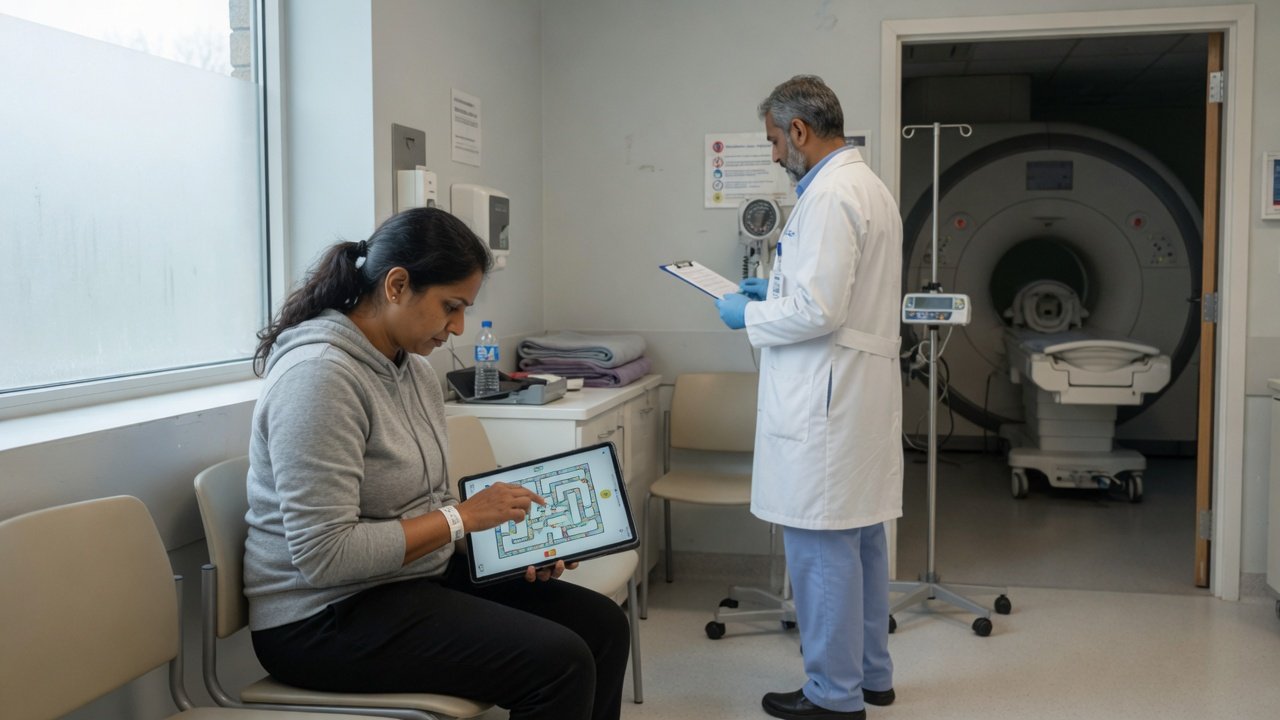
Featured image: AI-generated conceptual editorial image – not from the cited study / not a clinical photograph. تصویر: مصنوعی ذہانت سے تیار کردہ تصویری اداریہ — حوالہ شدہ تحقیق سے نہیں / کلینیکل فوٹو نہیں۔
Read the source → | اصل ماخذ پڑھیں ←
Educational digest only — not personal medical advice, not a diagnosis, and not a treatment recommendation. Discuss decisions with your treating clinician. یہ صرف تعلیمی خلاصہ ہے — ذاتی طبی مشورہ، تشخیص یا علاج کی سفارش نہیں۔ فیصلے اپنے معالج سے کریں۔
