
 0300 087 4232
cognition · Level of evidence: Observational human cohort
Multilingual people may have brains up to 13 years younger
ScienceDaily (primary research journal not specified in feed) · 2026
کئی زبانیں بولنے والوں کے دماغ عمر رسیدہ ہونے میں سست نظر آ سکتے ہیں
Scientific core · سائنسی خلاصہ
A science news report summarizes human data suggesting that multilingualism is associated with markers of slower brain aging. According to the feed summary, people who speak several languages may show brains that age more slowly than monolingual peers. Speakers of four languages were described as having brains that appeared about 13 years younger than those of monolinguals on the measures used. Earlier language learning and higher fluency were also linked to a stronger association. These findings, as reported, are correlational rather than proof that language learning alone causes youthfulness of the brain. Mechanisms, imaging or cognitive batteries, confounders (education, socioeconomic status, immigration history, vascular risk), and effect sizes beyond the headline comparison are not detailed in the provided feed item. For neuroscience audiences, the report sits within cognitive reserve and lifelong enrichment research: complex, sustained linguistic practice may relate to network efficiency or resilience, but residual confounding and reverse causation remain plausible. Independent reading of the primary peer-reviewed paper is required before citing numbers in teaching or clinic.
سائنس کی ایک خبر انسانی مشاہداتی ڈیٹا کا خلاصہ پیش کرتی ہے جس کے مطابق کئی زبانیں بولنا دماغی بڑھاپے کے سست اشاروں سے منسلک ہو سکتا ہے۔ فیڈ کے خلاصے کے مطابق، متعدد زبانیں بولنے والوں کے دماغ یک لسانی افراد کے مقابلے میں آہستہ عمر رسیدہ ہوتے دکھائی دے سکتے ہیں۔ چار زبانیں بولنے والوں کے دماغ متعلقہ پیمائشوں پر یک لسانی افراد سے تقریباً تیرہ سال کم عمر نظر آنے کی بات کہی گئی۔ زبان سیکھنے کا جلد آغاز اور اعلیٰ روانی بھی مضبوط تعلق سے جوڑے گئے۔ یہ نتائج، جیسا کہ رپورٹ ہوا، تعلق کی نشاندہی کرتے ہیں نہ کہ یہ ثبوت کہ صرف زبان سیکھنا دماغ کو جوان رکھتا ہے۔ طریقہ کار، امیجنگ یا شناختی ٹیسٹ، الجھانے والے عوامل (تعلیم، معاشی حیثیت، ہجرت کی تاریخ، عروقی خطرہ) اور ہیڈ لائن سے آگے اثر کے سائز فیڈ میں نہیں دیے گئے۔ عصبی سائنس کے لیے یہ موضوع شناختی ذخیرہ اور تاحیات ذہنی مشق کی تحقیق میں آتا ہے؛ تاہم الجھاؤ اور الٹی سببیت ممکن رہتی ہے۔ تدریس یا کلینک میں اعداد نقل کرنے سے پہلے اصل ہم مرتبہ نظرثانی شدہ مقالہ خود پڑھنا ضروری ہے۔
For neurosurgeons, neurologists, residents, and students, this is a teaching hook on cognitive reserve—not a perioperative risk tool. Use it to discuss how lifestyle and education confound imaging and cognition studies, and why multilingual history belongs in the social and cognitive history. Do not over-interpret a secondary news summary; verify the primary methods, brain-age model, and adjusted analyses before journal club or patient counseling.
نیورو سرجنز، نیورالوجسٹس، ریزیڈنٹس اور طلبہ کے لیے یہ شناختی ذخیرے کی تدریسی مثال ہے—آپریشن سے پہلے کا خطرہ ناپنے کا آلہ نہیں۔ اس سے سمجھائیں کہ طرزِ زندگی اور تعلیم امیجنگ و شناحتی مطالعات کو کیسے متاثر کرتے ہیں، اور کثیر لسانی پس منظر کیوں تاریخِ مرض میں آنا چاہیے۔ ثانوی خبر پر زیادہ انحصار نہ کریں؛ جرنل کلب یا مریض کی بات سے پہلے اصل طریقہ کار، brain-age ماڈل اور ایڈجسٹڈ تجزیے تصدیق کریں۔
News reports suggest people who speak more than one language may show signs of slower brain aging on some tests, with a larger difference described for those who speak several languages fluently. This does not prove that learning a language will prevent dementia or replace medical care. It is general education about brain health research, not personal advice.
خبروں کے مطابق ایک سے زیادہ زبانیں بولنے والوں میں کچھ ٹیسٹوں پر دماغی بڑھاپا سست دکھائی دے سکتا ہے، اور کئی زبانیں روانی سے بولنے والوں میں فرق بڑا بتایا گیا۔ اس سے ثابت نہیں ہوتا کہ زبان سیکھنا ڈیمنشیا روکے گا یا علاج کا متبادل ہے۔ یہ عام تعلیمی معلومات ہیں، ذاتی طبی مشورہ نہیں۔
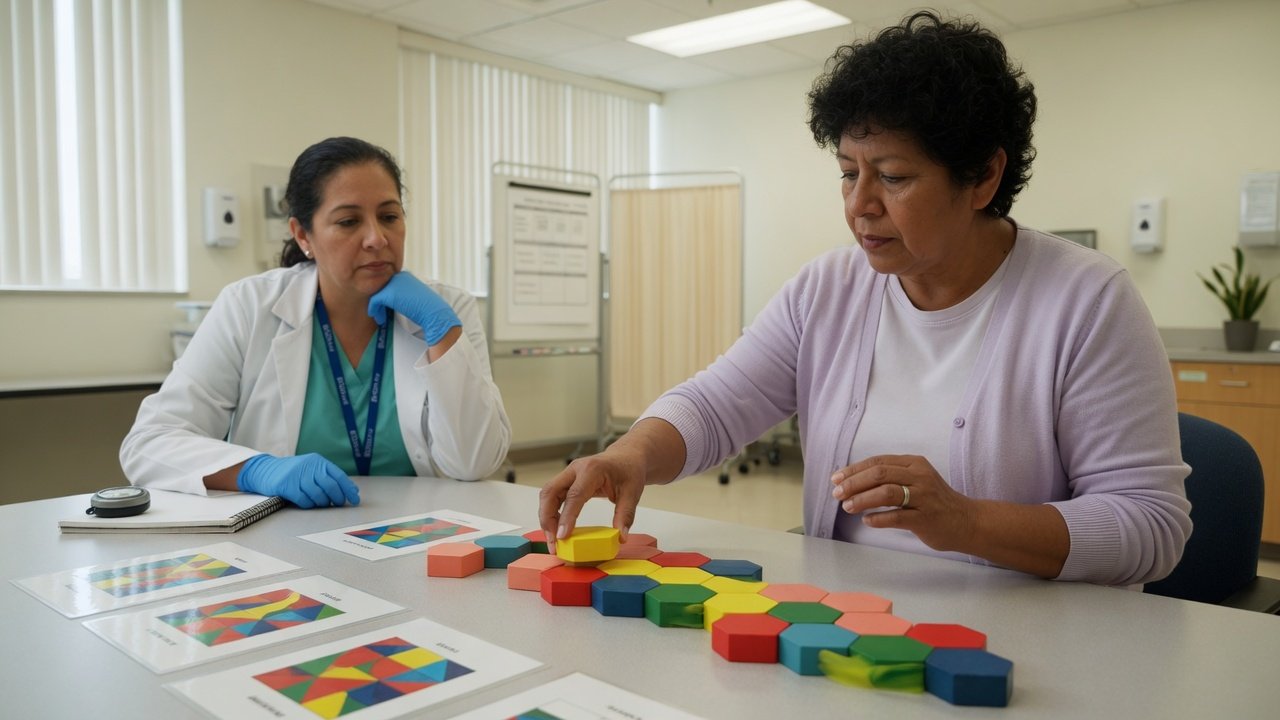
Featured image: AI-generated conceptual editorial image – not from the cited study / not a clinical photograph. تصویر: مصنوعی ذہانت سے تیار کردہ تصویری اداریہ — حوالہ شدہ تحقیق سے نہیں / کلینیکل فوٹو نہیں۔
Read the source → | اصل ماخذ پڑھیں ←
Educational digest only — not personal medical advice, not a diagnosis, and not a treatment recommendation. Discuss decisions with your treating clinician. یہ صرف تعلیمی خلاصہ ہے — ذاتی طبی مشورہ، تشخیص یا علاج کی سفارش نہیں۔ فیصلے اپنے معالج سے کریں۔
