
 0300 087 4232
cognition · Level of evidence: Preclinical/animal
A major Alzheimer’s risk gene may shrink brain cells years before symptoms
ScienceDaily (secondary report of preclinical research) · 2026
چوہوں میں APOE4 سے جڑا Nell2 اضافہ نیوران سکیڑتا اور ابتدائی سرکٹ ہائپر ایکٹیویٹی پیدا کرتا ہے
Scientific core · سائنسی خلاصہ
According to a ScienceDaily summary of preclinical work, the major Alzheimer’s risk allele APOE4 may disturb brain circuits long before overt memory symptoms. In mice, APOE4 increased levels of a protein called Nell2, which was associated with smaller neurons and abnormally high activity in memory-related circuits. That early hyperactivity reportedly predicted worse later memory performance. Reducing Nell2 in adult animals reversed the abnormal cellular and circuit changes in this model, generating a mechanistic hypothesis for very early intervention. These data remain animal-based; human timing, safety, and whether Nell2 is a viable drug target are unproven. The educational value lies in connecting genetic risk (APOE4) to pre-symptomatic network hyperexcitability and structural neuronal change, concepts increasingly discussed in Alzheimer’s pathobiology.
سائنس ڈیلی کے پری کلینیکل خلاصے کے مطابق الزائمر کے اہم رسک جین APOE4 کے اثرات یادداشت کی ظاہری علامات سے کافی پہلے دماغی سرکٹس کو متاثر کر سکتے ہیں۔ چوہوں میں APOE4 نے Nell2 نامی پروٹین بڑھایا، جو چھوٹے نیورانز اور یادداشت سے متعلق سرکٹس کی غیر معمولی سرگرمی سے جڑا تھا۔ یہ ابتدائی ہائپر ایکٹیویٹی بعد کی کمزور یادداشت کی پیش بینی سے منسلک بتائی گئی۔ بالغ جانوروں میں Nell2 کم کرنے سے غیر معمولی خلیاتی اور سرکٹ تبدیلیاں الٹ گئیں، جو بہت ابتدائی مداخلت کی میکانکی مفروضہ سازی کرتی ہیں۔ یہ ڈیٹا جانوروں تک محدود ہے؛ انسانی وقت بندی، حفاظت، اور Nell2 کا قابلِ عمل دوائی ہدف ہونا ثابت نہیں۔ تعلیمی اہمیت APOE4 کو علامات سے پہلے نیٹ ورک ہائپر ایکسیٹیبیلٹی اور ساختی تبدیلی سے جوڑنے میں ہے۔
Neurosurgeons and neurology trainees should treat this as mechanistic context for APOE4 biology, not a clinical protocol. It reinforces why pre-symptomatic hyperexcitability and neuronal morphology are research targets alongside amyloid and tau. Residents can use it to practice critical appraisal: species differences, reverse-translation risk, and the gap between protein knockdown in mice and human therapeutics.
نیورو سرجنز اور نیورولوجی کے تربیت یافتہ افراد اسے APOE4 کی میکانکی سیاق و سباق سمجھیں، کلینیکل پروٹوکول نہیں۔ یہ بتاتا ہے کہ امیلائڈ اور ٹاو کے ساتھ ساتھ علامات سے پہلے ہائپر ایکسیٹیبیلٹی اور نیورونل شکل بھی تحقیق کے اہداف ہیں۔ ریزیڈنٹس تنقیدی جائزے کی مشق کریں: انواع کے فرق، ریورس ٹرانسلیشن کا خطرہ، اور چوہوں میں پروٹین کم کرنے سے انسانی علاج تک کا فاصلہ۔
A news report describes mouse research on how a common Alzheimer’s risk gene might change brain cells early. Lowering a related protein helped the mice in the lab. This does not mean a new human treatment is available, and it is not personal medical advice.
ایک خبری رپورٹ میں چوہوں پر تحقیق بیان ہوئی ہے کہ الزائمر کے ایک عام رسک جین سے دماغی خلیے جلد کیسے بدل سکتے ہیں۔ لیب میں متعلقہ پروٹین کم کرنے سے چوہوں کو فائدہ ہوا۔ اس کا مطلب یہ نہیں کہ انسانی علاج تیار ہے، اور یہ ذاتی طبی مشورہ نہیں۔
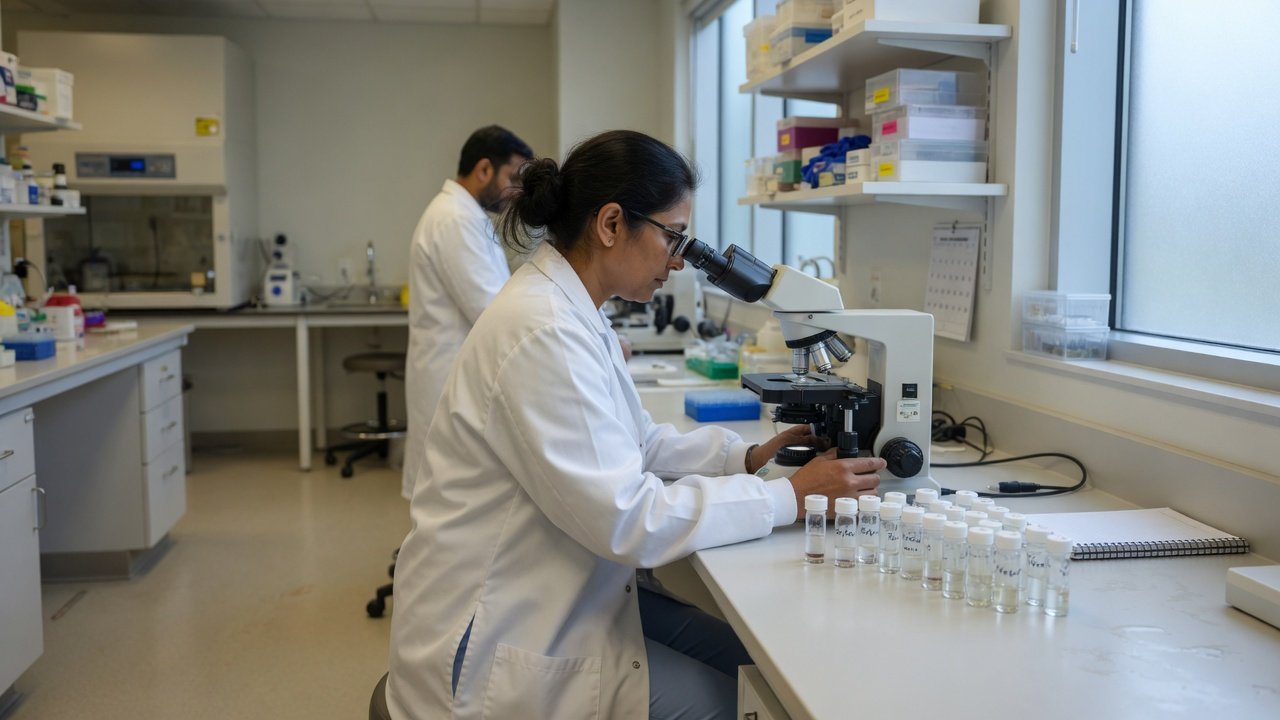
Featured image: AI-generated conceptual editorial image – not from the cited study / not a clinical photograph. تصویر: مصنوعی ذہانت سے تیار کردہ تصویری اداریہ — حوالہ شدہ تحقیق سے نہیں / کلینیکل فوٹو نہیں۔
Read the source → | اصل ماخذ پڑھیں ←
Educational digest only — not personal medical advice, not a diagnosis, and not a treatment recommendation. Discuss decisions with your treating clinician. یہ صرف تعلیمی خلاصہ ہے — ذاتی طبی مشورہ، تشخیص یا علاج کی سفارش نہیں۔ فیصلے اپنے معالج سے کریں۔
