
 0300 087 4232
neuropsychiatry · Level of evidence: Observational human cohort
Clinical and neurobiological correlates of tardive dyskinesia in schizophrenia spectrum disorders and mood disorders
npj Schizophrenia · 2026
شیزوفرینیا اور موڈ ڈس آرڈرز میں ٹارڈیو ڈس کائینیشیا کے کلینیکل اور نیورو بائیولوجیکل تعلقات
Scientific core · سائنسی خلاصہ
Tardive dyskinesia (TD) is a potentially persistent hyperkinetic movement disorder associated with prolonged exposure to dopamine D2 receptor–blocking agents used in schizophrenia spectrum and mood disorders. This Nature Portfolio paper addresses clinical and neurobiological correlates of TD across these diagnostic groups. The feed provides title and bibliographic link only, without an abstract; therefore sample size, rating scales, imaging or fluid biomarkers, effect sizes, and causal claims are not restated here and must be read in the primary article. Conceptually, correlate studies integrate motor phenotyping, treatment history, diagnosis, and brain-based measures to clarify who develops TD and which neural systems are implicated. For multidisciplinary teams, TD sits at the interface of psychiatry, neurology, and functional neurosurgery—relevant to differential diagnosis of chorea/dystonia, medication review after neurosurgical admission, and highly selected discussions of neuromodulation for refractory TD in specialized centers. Appraisal of design, confounding, and generalizability requires the full text. Educational digest only—not clinical advice.
ٹارڈیو ڈس کائینیشیا (TD) ایک ممکنہ طور پر مستقل ہائپرکائنیٹک حرکت کی خرابی ہے جو شیزوفرینیا سپیکٹرم اور موڈ ڈس آرڈرز میں استعمال ہونے والی ڈوپامائن D2 ریسیپٹر بلاکنگ ادویات کی طویل نمائش سے وابستہ ہے۔ یہ نیچر پورٹ فولیو مقالہ ان تشخیصی گروہوں میں TD کے کلینیکل اور نیورو بائیولوجیکل تعلقات پر روشنی ڈالتا ہے۔ فیڈ میں صرف عنوان اور کتابیاتی لنک ہے، خلاصہ نہیں؛ اس لیے نمونہ سائز، اسکیلز، امیجنگ یا بائیو مارکرز، اثر کے سائز اور سبب کے دعوے یہاں نہیں دہرائے گئے—اصل مقالہ پڑھنا ضروری ہے۔ اصولی طور پر ایسے مطالعات حرکتی فینوٹائپ، علاج کی تاریخ، تشخیص اور دماغی پیمائشوں کو جوڑ کر یہ سمجھنے کی کوشش کرتے ہیں کہ TD کس میں پیدا ہوتا ہے اور کون سے عصبی نظام ملوث ہو سکتے ہیں۔ کثیر شعبہ ٹیموں کے لیے TD نفسیات، نیورولوجی اور فنکشنل نیورو سرجری کے سنگم پر ہے—کوئیری/ڈسٹونیا کی تفریقی تشخیص، نیورو سرجیکل داخلے کے بعد ادویات کا جائزہ، اور انتہائی منتخب صورتوں میں ریفریکٹری TD کے لیے نیوروموڈولیشن کی خصوصی مراکز میں بات چیت سے متعلق۔ ڈیزائن، کنفاؤنڈنگ اور عمومی قابلِ اطلاقیت کا جائزہ مکمل متن سے لیں۔ صرف تعلیمی خلاصہ—کلینیکل مشورہ نہیں۔
Neurosurgeons, neurologists, and residents regularly encounter patients on antipsychotics or antiemetic D2 blockers in wards, ICU, and pre/post-op settings; recognizing TD versus other hyperkinetic disorders is a core exam skill. This paper type reinforces basal-ganglia circuitry teaching used in functional neurosurgery and movement-disorder clinics. Use the full open article to critique methods and limitations before any practice inference; guidelines and individual risk–benefit discussion remain primary.
نیورو سرجنز، نیورولوجسٹس اور ریزیڈنٹس وارڈ، آئی سی یو اور آپریشن سے پہلے/بعد کی ترتیب میں اینٹی سائیکوٹکس یا اینٹی ایمیٹک D2 بلاکرز پر مریضوں سے باقاعدہ ملتے ہیں؛ TD کو دیگر ہائپرکائنیٹک امراض سے الگ پہچاننا بنیادی معائنہ مہارت ہے۔ اس قسم کا مقالہ فنکشنل نیورو سرجری اور موومنٹ ڈس آرڈر کلینکس میں پڑھائے جانے والے بیسل گینگلیا سرکٹری کو مضبوط کرتا ہے۔ کسی بھی عملی نتیجے سے پہلے مکمل اوپن آرٹیکل سے طریقہ کار اور حدود کا تنقیدی جائزہ لیں؛ رہنما خطوط اور انفرادی خطرہ–فائدہ گفتگو ہی بنیادی رہتی ہے۔
Tardive dyskinesia is a movement problem that can appear after long-term use of certain medicines for mental health conditions. This research explores how clinical features and brain-related factors may relate to it. It is not personal medical advice—any new or worrying movements should be discussed with the treating clinician.
ٹارڈیو ڈس کائینیشیا ایک حرکت کا مسئلہ ہے جو ذہنی صحت کی بعض ادویات کے طویل استعمال کے بعد ظاہر ہو سکتا ہے۔ یہ تحقیق دیکھتی ہے کہ کلینیکل خصوصیات اور دماغ سے متعلق عوامل اس سے کیسے جڑ سکتے ہیں۔ یہ ذاتی طبی مشورہ نہیں—کوئی نئی یا پریشان کن حرکتیں اپنے معالج سے ضرور بات کریں۔
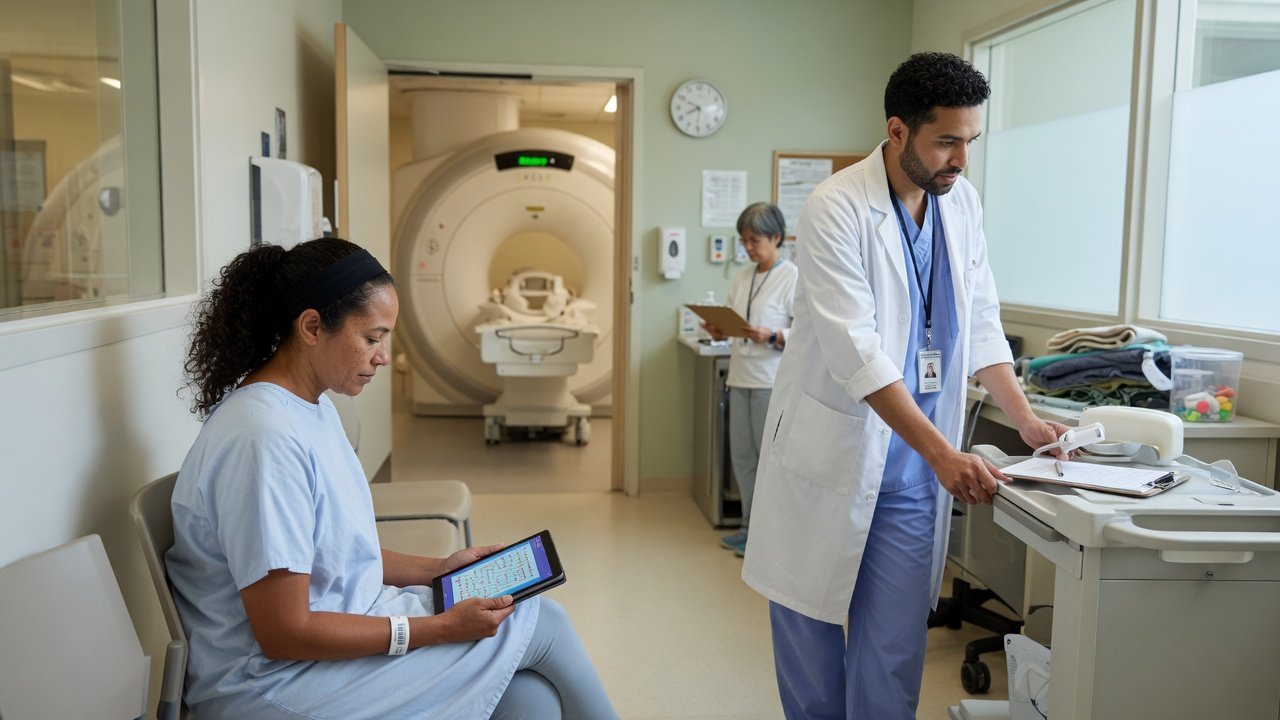
Featured image: AI-generated conceptual editorial image – not from the cited study / not a clinical photograph. تصویر: مصنوعی ذہانت سے تیار کردہ تصویری اداریہ — حوالہ شدہ تحقیق سے نہیں / کلینیکل فوٹو نہیں۔
Read the source → | اصل ماخذ پڑھیں ←
Educational digest only — not personal medical advice, not a diagnosis, and not a treatment recommendation. Discuss decisions with your treating clinician. یہ صرف تعلیمی خلاصہ ہے — ذاتی طبی مشورہ، تشخیص یا علاج کی سفارش نہیں۔ فیصلے اپنے معالج سے کریں۔
