
 0300 087 4232
neurology · Level of evidence: Other
Altered causality perception in Parkinson’s disease
Scientific Reports · 2026
پارکنسن کی بیماری میں سببیت (causality) کے ادراک میں تبدیلی
Scientific core · سائنسی خلاصہ
A 2026 open-access Scientific Reports paper addresses altered causality perception in Parkinson’s disease (PD). Causality perception refers to how the brain judges whether one event likely caused another—an ability tied to timing, agency, and sensorimotor prediction. The feed item provides the primary title and journal link but no abstract, sample size, or effect estimates; readers must consult the full article for study design, patient versus control comparisons, task paradigm, and statistics. Educationally, PD is not only a motor disorder: perceptual and cognitive dimensions influence how patients interpret action–outcome links, which can matter for rehabilitation engagement, safety judgments, and expectations around therapy. This digest intentionally does not invent methods or results. Neurosurgical and neurology teams should treat the primary paper as the source of truth and appraise limitations (for example medication state, deep brain stimulation status, or comorbid cognitive impairment) before linking findings to clinic or theatre decision-making.
سائنٹیفک ریپورٹس میں ۲۰۲۶ کا اوپن ایکسیس مقالہ پارکنسن کی بیماری میں سببیت کے ادراک کی تبدیلی پر ہے۔ سببیت کا ادراک یہ ہے کہ دماغ کیسے فیصلہ کرتا ہے کہ ایک واقعہ دوسرے کا سبب بنا—یہ وقت، اختیارِ عمل، اور حسّی-حرکی پیش گوئی سے جُڑا ہے۔ فیڈ میں عنوان اور جرنل لنک ہیں مگر خلاصہ، نمونے کی تفصیل یا اعداد نہیں؛ ڈیزائن، مریض و کنٹرول موازنہ، ٹاسک، اور شماریات کے لیے اصل مقالہ پڑھیں۔ تعلیمی طور پر پارکنسن صرف حرکی مرض نہیں: ادراکی پہلو مریض کے عمل اور نتیجے کے ربط، بحالی، اور حفاظتی فیصلوں پر اثرانداز ہو سکتے ہیں۔ یہ خلاصہ نتائج گھڑتا نہیں۔ نیورو سرجری اور نیورولوجی ٹیمیں اصل مقالے کو ماخذ مانیں اور دوا، ڈی بی ایس، یا ذہنی عوارض جیسی حدوں کا جائزہ لیں قبل اس کے کہ کلینک سے جوڑیں۔
For neurosurgeons, movement-disorder neurologists, residents, and students, this is a reminder to score and discuss non-motor and perceptual cognition alongside tremor, rigidity, and gait—especially when framing DBS goals, rehab plans, and risk counseling. Use the full paper to teach critical appraisal: task validity, ON/OFF medication or stimulation state, and whether findings generalize to surgical candidates. Do not change operative indications from a headline alone.
نیورو سرجنز، موومنٹ ڈسآرڈر ماہرین، ریزیڈنٹس اور طلبہ کے لیے یہ یاددہانی ہے کہ کمپک، سختی اور چال کے ساتھ غیر حرکی و ادراکی پہلو بھی نوٹ کریں—خاص طور پر ڈی بی ایس اہداف، بحالی اور خطرے کی بات چیت میں۔ اصل مقالے سے تنقیدی جائزہ سکھائیں: ٹاسک کی درستگی، دوا یا سٹمولیشن کی حالت، اور کیا نتائج سرجیکل امیدواروں پر لاگو ہوتے ہیں۔ صرف عنوان سے آپریٹو اشارے نہ بدلیں۔
This research looks at how people with Parkinson’s disease judge cause-and-effect links between events. It is scientific information, not a new treatment or a personal care plan. Families should discuss any concerns about thinking, timing, or daily decisions with their own clinical team.
یہ تحقیق دیکھتی ہے کہ پارکنسن کے مریض واقعات کے سبب اور نتیجے کو کیسے پرکھتے ہیں۔ یہ علمی معلومات ہیں، نیا علاج یا ذاتی نسخہ نہیں۔ سوچ، وقت یا روزمرہ فیصلوں کی فکر ہو تو اپنے ڈاکٹر سے بات کریں۔
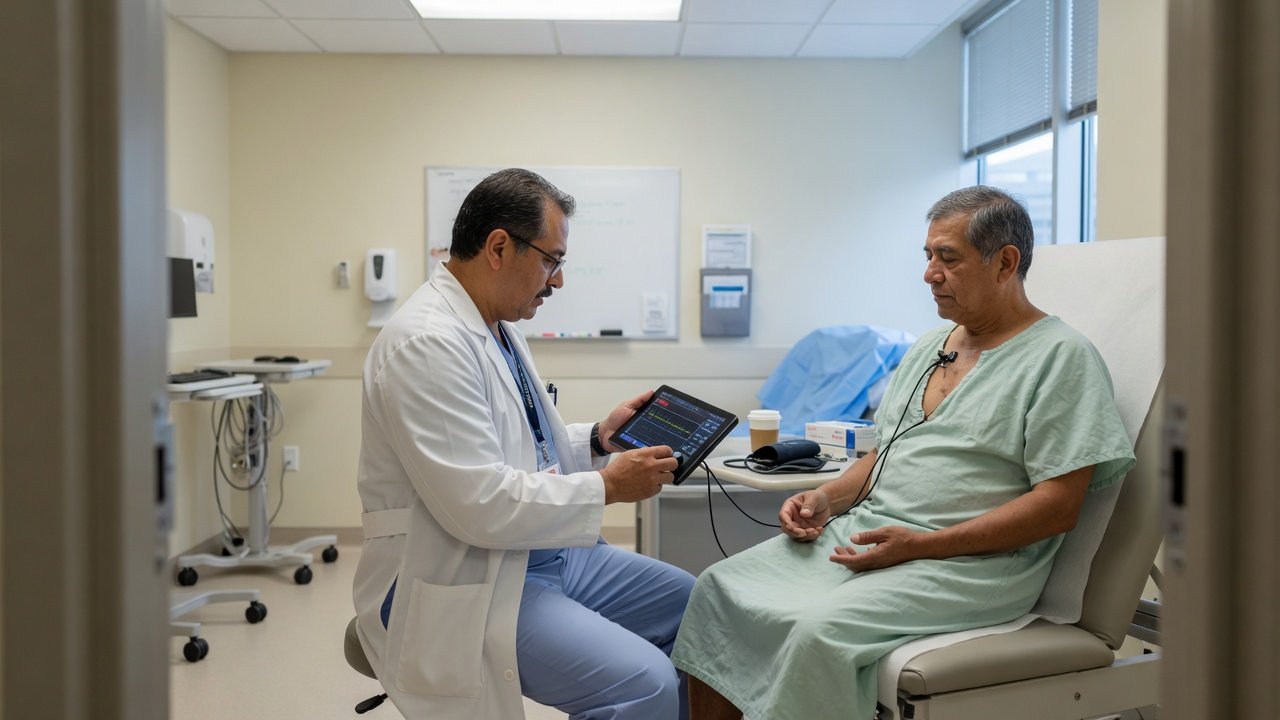
Featured image: AI-generated conceptual editorial image – not from the cited study / not a clinical photograph. تصویر: مصنوعی ذہانت سے تیار کردہ تصویری اداریہ — حوالہ شدہ تحقیق سے نہیں / کلینیکل فوٹو نہیں۔
Read the source → | اصل ماخذ پڑھیں ←
Educational digest only — not personal medical advice, not a diagnosis, and not a treatment recommendation. Discuss decisions with your treating clinician. یہ صرف تعلیمی خلاصہ ہے — ذاتی طبی مشورہ، تشخیص یا علاج کی سفارش نہیں۔ فیصلے اپنے معالج سے کریں۔
