
 0300 087 4232
neurology · Level of evidence: Preclinical/animal
Nigral DJ-1 gene knockout in tree shrews can induce phosphorylated α-synuclein aggregation and all key phenotypes of Parkinson’s disease
Cell Death & Disease (Nature Portfolio) · 2026
درختی شرو کے دماغی مادۂ سیاه میں ڈی جے-۱ ناک آؤٹ پارکنسن کی اہم خصوصیات پیدا کر سکتا ہے
Scientific core · سائنسی خلاصہ
This preclinical study reports that targeted knockout of the nigral DJ-1 gene in tree shrews can drive phosphorylated α-synuclein aggregation together with core motor and pathological phenotypes associated with Parkinson’s disease (PD). DJ-1 (PARK7) is a known PD-related gene; loss of function is linked in human genetics to recessive familial PD, and α-synuclein phosphorylation and aggregation are central neuropathological hallmarks of Lewy-body disease. Tree shrews are phylogenetically closer to primates than common rodent models, so a nigral DJ-1 disruption model that recapitulates multiple PD features may offer a useful bridge for studying dopaminergic degeneration, proteinopathy spread, and phenotype progression. As an animal gene-editing study, findings are mechanistic and hypothesis-generating: they do not establish clinical efficacy of any therapy, do not replace human pathology or trial data, and require independent replication, careful behavioral validation, and transparent reporting of off-target and compensatory effects before translational claims.
یہ قبل از کلینیکی تحقیق بتاتی ہے کہ درختی شرو کے مادۂ سیاه میں ڈی جے-۱ جین کے ہدفی ناک آؤٹ سے فاسفوریلیٹڈ الفا-سائنوکلین کا جمع ہونا اور پارکنسن بیماری سے منسلک بنیادی حرکی و پیتھولوجیکل مظاہر پیدا ہو سکتے ہیں۔ ڈی جے-۱ (PARK7) انسانی جینیات میں موروثی پارکنسن سے جڑا معروف جین ہے، جبکہ الفا-سائنوکلین کی فاسفوریلیشن اور جمع ہونا لیوی باڈی پیتھالوجی کی مرکزی علامت ہے۔ درختی شرو عام چوہا ماڈلز کے مقابلے میں پرائمیٹس کے قریب تر سمجھے جاتے ہیں، اس لیے یہ ماڈل ڈوپامینرجک انحطاط، پروٹینوپیتھی، اور بیماری کے مظاہر کی پیش رفت سمجھنے میں مددگار ثابت ہو سکتا ہے۔ تاہم یہ جین ایڈیٹنگ پر مبنی حیوانی مطالعہ ہے—مکینیکل اور مفروضہ ساز؛ کسی علاج کی کلینیکی افادیت ثابت نہیں کرتا، انسانی پیتھالوجی یا ٹرائلز کی جگہ نہیں لیتا، اور ترجمے سے پہلے آزاد تصدیق، رویّاتی توثیق، اور ضمنی اثرات کی شفاف رپورٹنگ ضروری ہے۔
For neurosurgeons, movement-disorder teams, residents, and students, this work is educational context for PD biology that underpins patient selection and counseling around deep brain stimulation and other neuromodulation—not a change in operative indications. It reinforces why genetic and synuclein pathways matter when interpreting preclinical claims and when reading future device or disease-modifying trial designs. Treat it as a model-system update: useful for journal club on limitations of rodent-only PD models, not as bedside evidence.
نیورو سرجنز، موومنٹ ڈسآرڈر ٹیمز، ریزیڈنٹس اور طلبہ کے لیے یہ مطالعہ پارکنسن کی حیاتیات کا تعلیمی سیاق ہے جو ڈی بی ایس اور دیگر نیوروموڈولیشن کی مریض سے بات چیت کی بنیاد سمجھنے میں مدد دیتا ہے—آپریٹو اشارات تبدیل نہیں کرتا۔ یہ یاد دلاتا ہے کہ جینیاتی اور سائنوکلین راستے قبل از کلینیکی دعووں اور مستقبل کے ٹرائلز کو پرکھتے وقت کیوں اہم ہیں۔ اسے ماڈل سسٹم کی تازہ کاری سمجھیں: جرنل کلب میں چوہا-صرف ماڈلز کی حدود پر بحث کے لیے مفید، بسترِ بیمار کی دلیل نہیں۔
Scientists describe an animal model that can show many biological features of Parkinson’s disease after a specific gene change in the brain’s movement-control region. This helps research; it is not a new treatment or test for people. Care decisions still depend on established clinical evaluation and proven therapies discussed with your own doctors.
سائنسدانوں نے ایک جانور ماڈل بیان کیا ہے جس میں دماغ کے حرکت کنٹرول حصے میں مخصوص جین کی تبدیلی کے بعد پارکنسن جیسی کئی حیاتیاتی خصوصیات دیکھی جا سکتی ہیں۔ یہ تحقیق میں مددگار ہے؛ انسانوں کے لیے نیا علاج یا ٹیسٹ نہیں۔ علاج کے فیصلے اب بھی معیاری معائنے اور ثابت شدہ طریقوں پر منحصر ہیں جو آپ اپنے ڈاکٹروں سے طے کریں۔
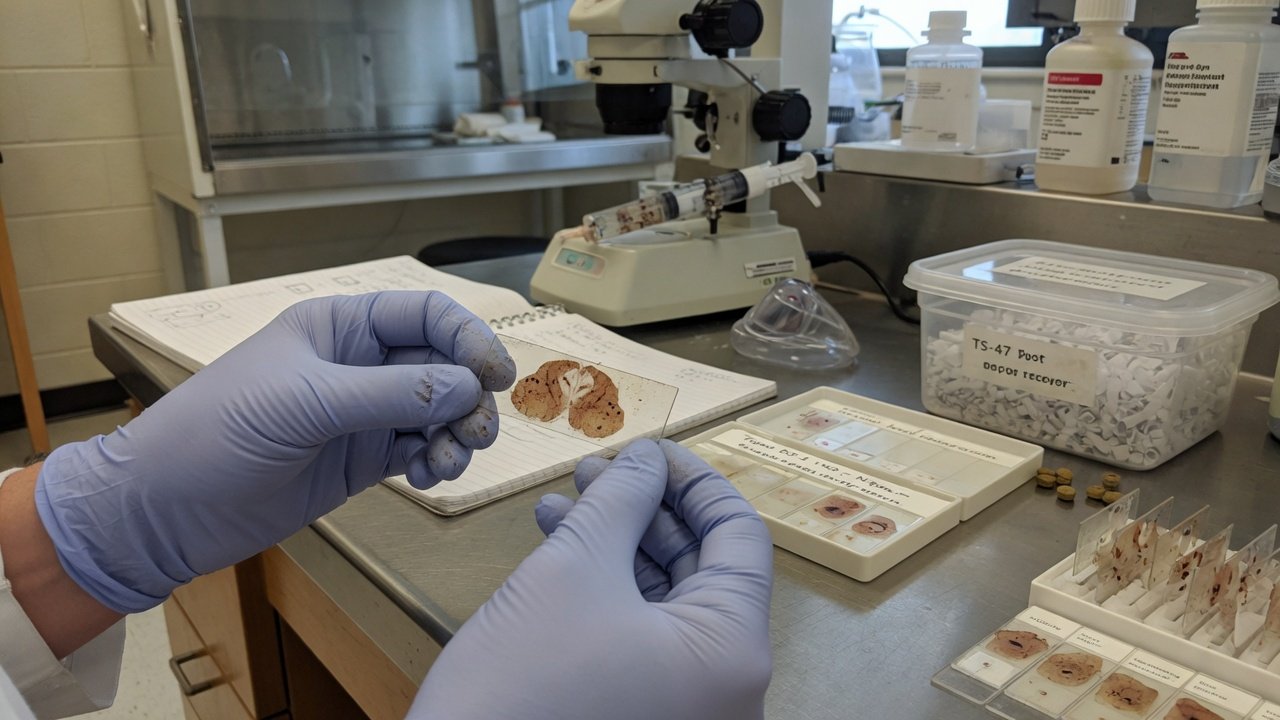
Featured image: AI-generated conceptual editorial image – not from the cited study / not a clinical photograph. تصویر: مصنوعی ذہانت سے تیار کردہ تصویری اداریہ — حوالہ شدہ تحقیق سے نہیں / کلینیکل فوٹو نہیں۔
Read the source → | اصل ماخذ پڑھیں ←
Educational digest only — not personal medical advice, not a diagnosis, and not a treatment recommendation. Discuss decisions with your treating clinician. یہ صرف تعلیمی خلاصہ ہے — ذاتی طبی مشورہ، تشخیص یا علاج کی سفارش نہیں۔ فیصلے اپنے معالج سے کریں۔
