
 0300 087 4232
cognition
محققین دماغ کے ارتقا کے پرانے "چھپکلی دماغ" نظریے پر سوال اٹھا رہے ہیں
Scientific core · سائنسی خلاصہ
Popular explanations often say the human brain is stacked like geological layers: an ancient “lizard brain” for survival instincts, topped by emotional and rational regions. A ScienceDaily report on new research argues this seventy-year-old picture may be deeply misleading. Rather than simply adding newer layers on top of an unchanging primitive core, evolution appears to balance two competing styles of brain wiring. Depending on what a species needs to survive, one wiring style may expand while the other shrinks. That reframes instinct, emotion, and flexible thinking as products of dynamic trade-offs in connectivity, not a fixed reptilian center driving behavior. The summary provided does not list clinical trials, drugs, or surgical techniques, and it should not be read as a change in diagnosis or treatment of anxiety, aggression, or neurological disease. Still, metaphors shape how patients hear explanations of stress, impulse control, and recovery after brain injury. Updating the public story may reduce stigma and oversimplification when neurosurgeons, neurologists, and rehabilitation teams discuss why certain behaviors feel automatic. Readers should consult the original scientific sources for methods, species studied, and limits before applying the idea to personal medical decisions.
عام فہم وضاحتیں اکثر کہتی ہیں کہ انسانی دماغ تہوں کی طرح بنا ہے: بقا کے جذبات کے لیے قدیم "چھپکلی دماغ"، اور اس کے اوپر جذباتی و عقلی حصے۔ سائنس ڈیلی کی رپورٹ کے مطابق نئی تحقیق کہتی ہے کہ ستر سال پرانا یہ نقشہ گمراہ کن ہو سکتا ہے۔ محض پرانے هستے پر نئی تہیں رکھنے کے بجائے ارتقا دماغی وائرنگ کے دو مت مقابل اندازوں میں توازن پیدا کرتا دکھائی دیتا ہے۔ جاندار کی بقا کی ضرورت کے مطابق ایک انداز پھیلتا اور دوسرا سکڑتا ہے۔ اس سے جذبہ، احساس اور لچکدار سوچ کو ایک مقررہ رینگنے والے مرکز کی بجائے رابطوں کے متحرک لین دین کا نتیجہ سمجھا جا سکتا ہے۔ دیے گئے خلاصے میں کلینیکل ٹرائل، ادویات یا سرجری کی تفصیل نہیں؛ اسے اضطراب، جارحیت یا اعصابی بیماری کی تشخیص و علاج میں تبدیلی نہ سمجھا جائے۔ پھر بھی استعارے اس بات کو شکل دیتے ہیں کہ مریض تناؤ، ضبط نفس اور دماغی چوٹ کے بعد بحالی کی وضاحت کیسے سنتے ہیں۔ عوامی کہانی کو اپ ڈیٹ کرنے سے اسigma اور حد سے زیادہ سادگی کم ہو سکتی ہے جب نیورو سرجن، نیورولوجسٹ اور بحالی ٹیمیں بتاتی ہیں کہ کچھ رویے خود بخود کیوں لگتے ہیں۔ ذاتی طبی فیصلوں سے پہلے اصل سائنسی ماخذ سے طریقہ کار، جانوروں کی اقسام اور حدود ضرور دیکھیں۔
Clear, accurate brain metaphors help patients and families understand emotion, habit, and recovery without blaming a mythical “animal” core. For neurosurgery and neurorehabilitation counseling, better science communication supports realistic expectations and reduces fear-based myths, even though day-to-day operations and medicines are unchanged by this evolutionary insight.
درست اور واضح دماغی استعارے مریضوں اور خاندانوں کو جذبات، عادت اور بحالی سمجھنے میں مدد دیتے ہیں بغیر کسی فرضی "جانور" هستے کو الزام دیے۔ نیورو سرجری اور عصبی بحالی کی مشاورت میں بہتر سائنسی ابلاغ حقیقت پسندانہ توقعات بناتا اور خوف پر مبنی افسانوں کو کم کرتا ہے، حالانکہ روزمرہ آپریشن اور ادویات اس ارتقائی بصیرت سے تبدیل نہیں ہوتیں۔
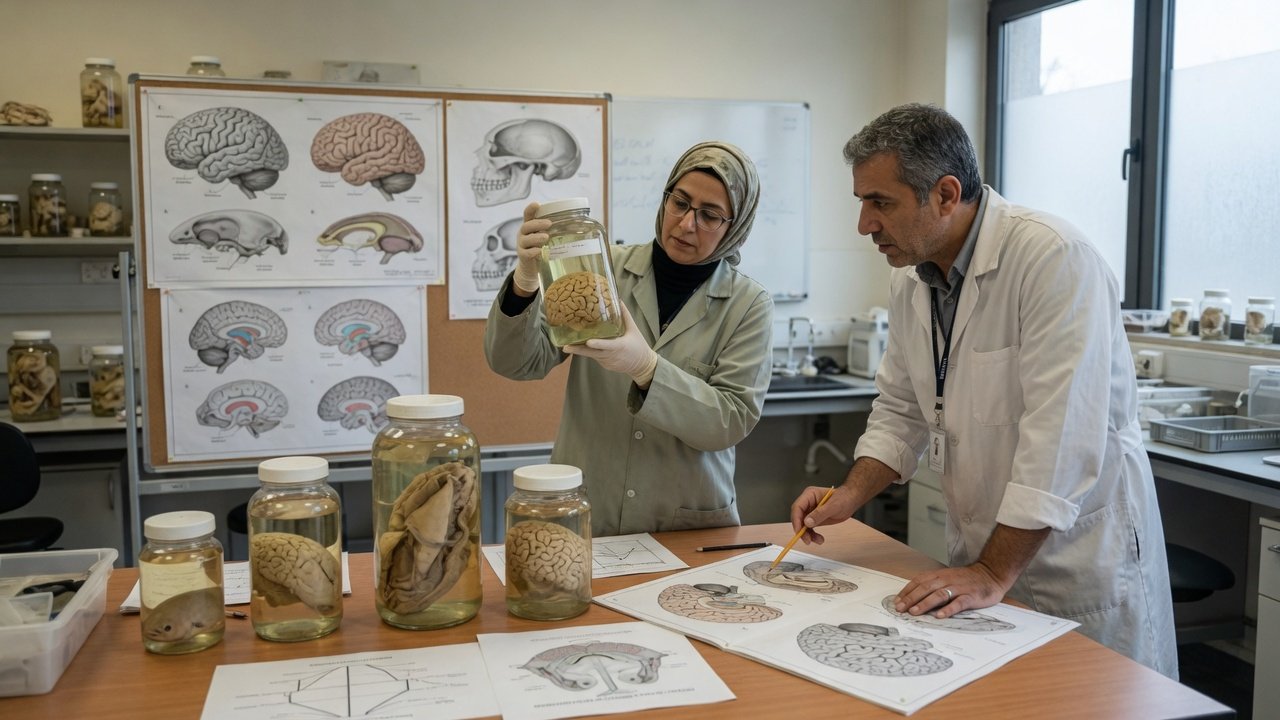
Featured image: AI-generated conceptual editorial image – not from the cited study / not a clinical photograph. تصویر: مصنوعی ذہانت سے تیار کردہ تصویری اداریہ — حوالہ شدہ تحقیق سے نہیں / کلینیکل فوٹو نہیں۔
Read the source → | اصل ماخذ پڑھیں ←
Educational digest only — not personal medical advice, not a diagnosis, and not a treatment recommendation. Discuss decisions with your treating clinician. یہ صرف تعلیمی خلاصہ ہے — ذاتی طبی مشورہ، تشخیص یا علاج کی سفارش نہیں۔ فیصلے اپنے معالج سے کریں۔
