
 AI WhatsApp 0300 087 4232

epilepsy ·Level of evidence: Translational/early clinical
New approach to epilepsy treatment combines genetics and brain mapping
2024
Scientific core
Researchers have described a method named MoPEDE that combines brain measurements with genetic analyses to deepen insight into where epileptic seizures start and how they are sustained. The feed summary states the approach has potential to improve epilepsy treatment by integrating functional brain data with genetic information, aiming at mechanisms rather than seizure counts alone. Precision strategies matter in drug-resistant epilepsy, where neurosurgical resection, laser ablation, or neuromodulation depend on accurate localization and patient-specific biology. MoPEDE is presented as a methodological advance offering deeper mechanistic insight; the available summary does not report large outcome trials, seizure-freedom rates, or practice guidelines. Clinicians should therefore treat it as an emerging research framework pending peer-reviewed performance metrics, reproducibility, and resource needs. For trainees, the concept reinforces multimodal work-ups: imaging, electrophysiology, and genomics increasingly sit on the same multidisciplinary table. This digest stays within the supplied description and does not invent diagnostic accuracy figures or surgical selection algorithms.
Frame MoPEDE as a combined electro-clinical and genetic interrogation tool still in the translational lane. Ask how it changes hypothesis generation for seizure onset zone, not whether it replaces established SEEG, MRI, or pathology workflows today. Multidisciplinary epilepsy boards remain the decision core.
Scientists describe a new research method that looks at brain activity together with genetic information to learn more about seizures. It may help future treatment planning but is not described here as a finished standard test. People with epilepsy should keep follow-up with their specialist team.
Advanced genetic-electrophysiology packages are unevenly available across Pakistani centers; referral to tertiary epilepsy surgery programs remains appropriate for drug-resistant cases.
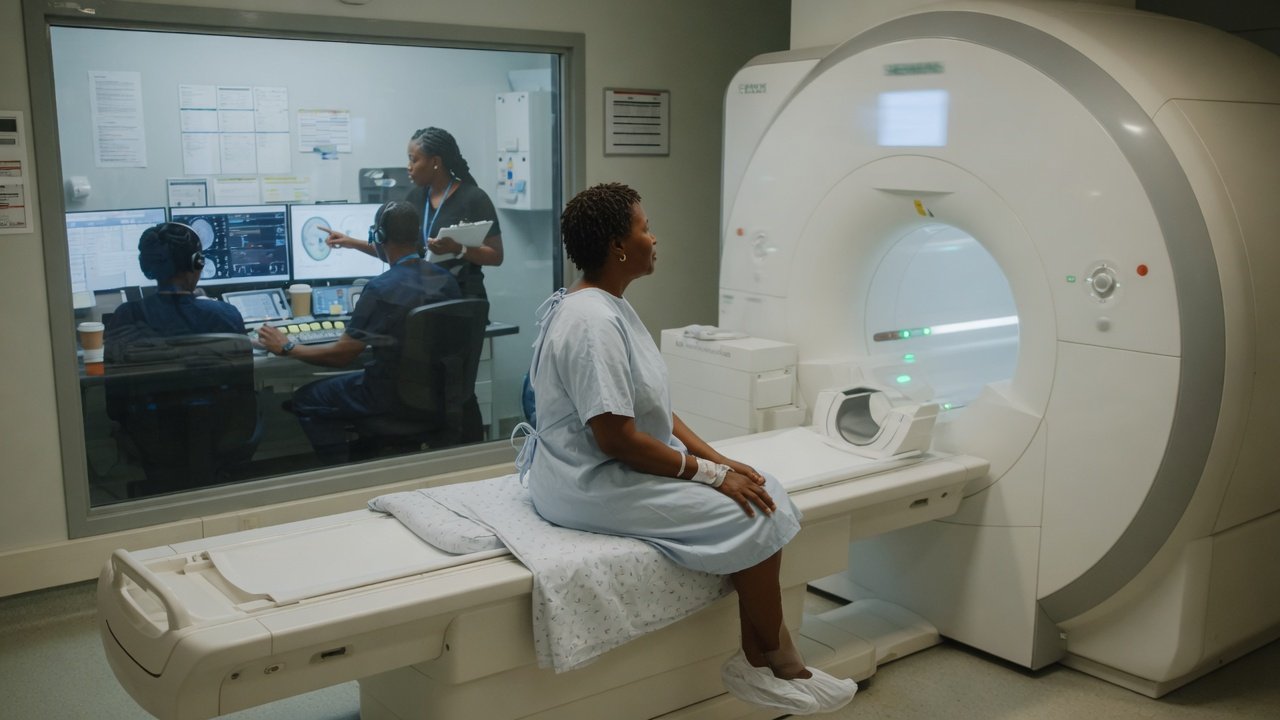
Featured image: AI-generated conceptual editorial image – not from the cited study / not a clinical photograph. تصویر: مصنوعی ذہانت سے تیار کردہ تصویری اداریہ — حوالہ شدہ تحقیق سے نہیں / کلینیکل فوٹو نہیں۔
Educational digest only — not personal medical advice, not a diagnosis, and not a treatment recommendation. Discuss decisions with your treating clinician. یہ صرف تعلیمی خلاصہ ہے — ذاتی طبی مشورہ، تشخیص یا علاج کی سفارش نہیں۔ فیصلے اپنے معالج سے کریں۔
AI WhatsApp: 0300 087 4232 — booking & PA assistant
AI booking & PA assistant — appointments and a brief note on lab reports. Does not diagnose. Does not interpret imaging for patients. Emergencies escalate to the doctor. AI limits & privacy
Emergency — direct Dr Wasif: 0345 825 4232 (not for routine booking)
