
 0300 087 4232
neurology · Level of evidence: Preclinical/animal
Scientists recreated what mice saw from brain activity alone
2026
صرف چوہوں کے بصری قشر کی سرگرمی سے دیکھی گئی منظرنامے کی بازتعمیر
Scientific core · سائنسی خلاصہ
According to the available report, scientists reconstructed roughly 10-second video clips of what mice were seeing by decoding signals recorded from neurons in visual cortex, without using the original video as a direct input at reconstruction time. The educational core is that population activity in early visual areas carries structured information about external scenes, and modern decoding methods can map that activity back into a viewable stimulus estimate. This does not mean the brain stores movies like a camera file; rather, it shows that measurable neural patterns retain enough information to approximate recent visual input under controlled experimental conditions. For trainees, the bridge is to human brain–computer interface concepts, visual prosthesis research, and intraoperative or implant-related mapping of eloquent visual pathways—while recognizing the large translational gap from head-fixed mice to human perception, language, and memory. Limitations include species differences, simplified laboratory stimuli, electrode coverage, and the risk of over-reading “mind reading” headlines. No clinical device, human efficacy, or bedside application is established by this animal work alone. It remains a neuroscience methods and systems story that can sharpen how surgeons and neurologists explain visual cortex function to patients and students.
دستیاب رپورٹ کے مطابق سائنسدانوں نے بصری قشر کے نیورانز سے ریکارڈ سگنلز کو ڈیکوڈ کر کے تقریباً دس سیکنڈ کی ویڈیو کلپس دوبارہ بنائیں کہ چوہے کیا دیکھ رہے تھے، بغیر اصل ویڈیو کو براہِ راست ان پٹ بنائے۔ تعلیمی نکتہ یہ ہے کہ ابتدائی بصری علاقوں کی مجموعی سرگرمی بیرونی منظر کی ساختہ معلومات رکھتی ہے، اور جدید ڈیکوڈنگ اسے قابلِ مشاہدہ تخمینے میں واپس لا سکتی ہے۔ اس کا مطلب یہ نہیں کہ دماغ کیمرے کی طرح فلم محفوظ کرتا ہے؛ بلکہ کنٹرول شدہ تجربے میں عصبی پیٹرن حالیہ بصری ان پٹ کا اندازہ لگانے کے لیے کافی معلومات رکھتے ہیں۔ ٹرینیز کے لیے پل انسانی برین–کمپیوٹر انٹرفیس، بصری مصنوعی اعضاء کی تحقیق، اور بصری پاتھ ویز کی میپنگ کے تصورات کی طرف ہے— مگر چوہوں سے انسانی ادراک، زبان، اور یادداشت تک فاصلہ بہت بڑا ہے۔ حدود میں انواع کا فرق، سادہ لیب محرکات، الیکٹروڈ کوریج، اور ‘ذہن پڑھنے’ کی خبروں کی مبالغہ آرائی شامل ہیں۔ صرف اس حیوانی کام سے کوئی کلینیکل ڈیوائس یا انسانی فائدہ ثابت نہیں۔ یہ نظامِ عصبی اور طریقہ کار کی کہانی ہے جو بصری قشر کی تفہیم تیز کر سکتی ہے۔
Use this as a teaching hook for visual cortex population coding and the logic behind decoding BCIs—not as evidence for clinical mind-reading or ready surgical tools. Emphasize species gap, task constraints, and ethical communication when patients ask about “videos from the brain.” Human translation would require separate safety, coverage, and validation programs far beyond this report.
اسے بصری قشر کی آبادیاتی کوڈنگ اور بی سی آئی ڈیکوڈنگ کی منطق سکھانے کے لیے استعمال کریں—کلینیکل ذہن خوانی یا تیار سرجیکل ٹول کے ثبوت کے طور پر نہیں۔ انواع کے فرق، تجربے کی قیود، اور جب مریض ‘دماغ سے ویڈیو’ پوچھیں تو اخلاقی وضاحت پر زور دیں۔ انسانی اطلاق الگ حفاظت اور توثیق مانگتا ہے جو اس رپورٹ سے بہت آگے۔
In mice, scientists estimated short videos of what the animals saw using only brain-cell activity in the visual area. This is laboratory research to understand how the brain represents sight. It is not a hospital test or a treatment for people.
چوہوں میں سائنسدانوں نے صرف بصری دماغی خلیوں کی سرگرمی سے اندازہ لگایا کہ جانور مختصر طور پر کیا دیکھ رہے تھے۔ یہ نظر کی سمجھ بوجھ کے لیے لیب کی تحقیق ہے۔ یہ انسانوں کے لیے ہسپتال کا ٹیسٹ یا علاج نہیں ہے۔
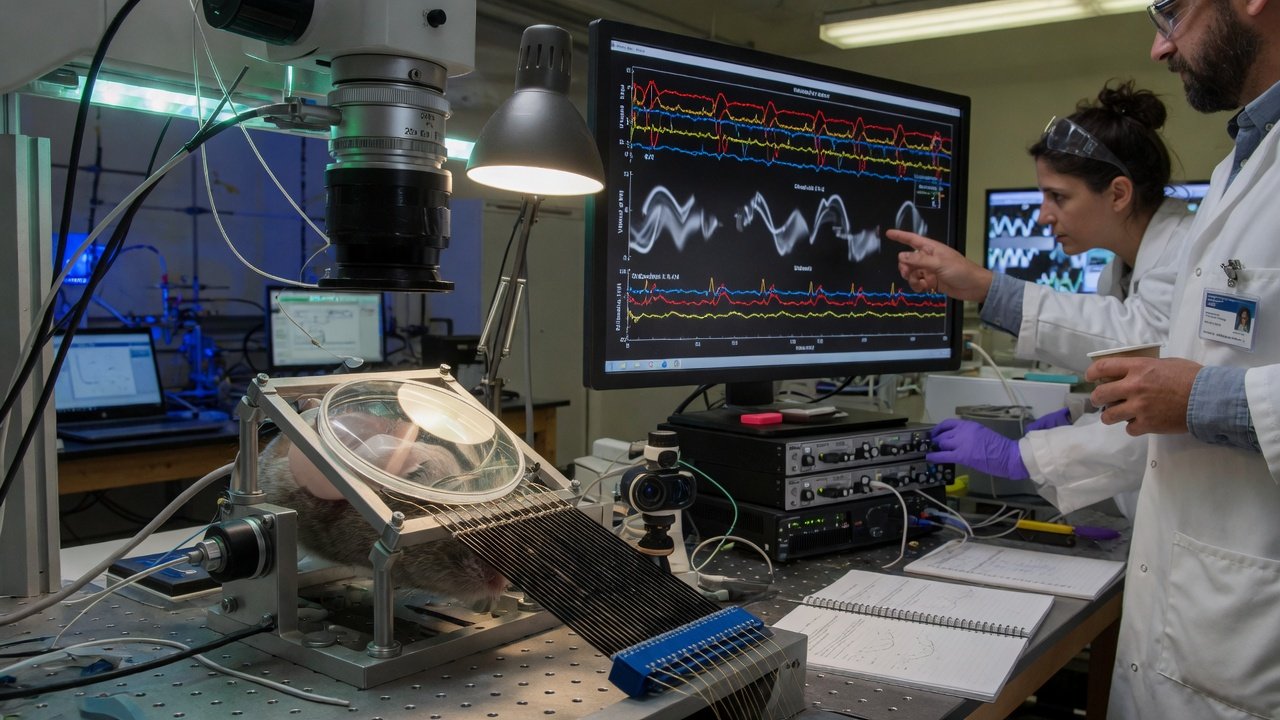
Featured image: AI-generated conceptual editorial image – not from the cited study / not a clinical photograph. تصویر: مصنوعی ذہانت سے تیار کردہ تصویری اداریہ — حوالہ شدہ تحقیق سے نہیں / کلینیکل فوٹو نہیں۔
Read the source → | اصل ماخذ پڑھیں ←
Educational digest only — not personal medical advice, not a diagnosis, and not a treatment recommendation. Discuss decisions with your treating clinician. یہ صرف تعلیمی خلاصہ ہے — ذاتی طبی مشورہ، تشخیص یا علاج کی سفارش نہیں۔ فیصلے اپنے معالج سے کریں۔
