
 0300 087 4232
implants · Level of evidence: Preclinical/animal
Scientists create a needle-thin brain implant that can do three jobs at once
ScienceDaily (news summary of primary research; journal not specified in feed) · 2026
سوئی جتنا پتلا کثیر المقاصد دماغی امپلانٹ: ریکارڈ، دوا، اور تحریک
Scientific core · سائنسی خلاصہ
ScienceDaily reports a flexible, needle-thin brain implant designed to perform three functions through one fiber: record neural activity, deliver drugs, and electrically stimulate multiple brain regions. Successful tests in mice are described as supporting a more precise and potentially less invasive experimental interface for circuit-level study. The educational bridge for clinicians and trainees is conceptual: modern neuromodulation and epilepsy research increasingly seek devices that combine sensing, focal pharmacology, and stimulation to map networks and test closed-loop ideas. The feed does not include human data, durability, safety endpoints, manufacturing details, or a primary DOI, so translation remains uncertain. Risks familiar from any intracranial device—infection, hemorrhage, tissue reaction, off-target effects—would need rigorous evaluation before clinical use. This item is best framed as preclinical platform science, not an available therapy for epilepsy or other disorders.
سائنس ڈیلی کے مطابق ایک لچکدار، سوئی جتنا پتلا دماغی امپلانٹ ایک ہی فائبر سے تین کام کرتا ہے: عصبی سرگرمی ریکارڈ کرنا، دوا پہنچانا، اور متعدد علاقوں کو برقی تحریک دینا۔ چوہوں میں کامیاب آزمائش کو زیادہ درست اور ممکنہ طور پر کم حملہ آور تحقیقی آلہ قرار دیا گیا۔ تعلیمی پہلو یہ ہے کہ جدید نیوروموڈولیشن اور مرگی کی تحقیق میں سینسنگ، مقامی فارماکولوجی، اور اسٹیمولیشن کو جوڑنے والے آلات اہم ہو رہے ہیں۔ فیڈ میں انسانی ڈیٹا، پائیداری، حفاظتی نتائج، یا اصل DOI نہیں؛ اس لیے کلینیکل ترجمہ غیر یقینی ہے۔ کسی بھی دماغی آلے کے خطرات—انفیکشن، خون بہنا، بافتی ردعمل—کی سخت جانچ ضروری ہوگی۔ یہ قبل از کلینیکل پلیٹ فارم سائنس ہے، دستیاب علاج نہیں۔
Neurosurgeons, functional/epilepsy fellows, and students can use this report to revisit multimodal neural interfaces and the gap between rodent feasibility and human device trials. It highlights design goals—miniaturization, combined diagnostics and therapy, multi-region access—while underscoring that mouse success does not establish safety or efficacy in patients. Journal club should demand the primary methods paper before any speculative clinical claims.
نیورو سرجنز، فنکشنل/مرگی فیلوز اور طلبہ اسے کثیر المقاصد عصبی انٹرفیس اور چوہے سے انسان تک کے فاصلے کی یاد دہانی بنائیں۔ مقاصد—چھوٹا سائز، تشخیص+علاج، کئی علاقوں تک رسائی—سمجھیں؛ چوہوں کی کامیابی مریضوں میں حفاظت یا افادیت ثابت نہیں کرتی۔ کلینیکل دعووں سے پہلے اصل مقالہ ضروری ہے۔
Researchers tested a very thin experimental brain device in animals that can record signals, give medicine, and stimulate brain areas. It is not a proven treatment for people yet. Human use would require many more safety studies.
محققین نے جانوروں میں ایک بہت پتلا تجرباتی دماغی آلہ آزمایا جو سگنل ریکارڈ، دوا، اور دماغی تحریک کر سکتا ہے۔ یہ ابھی انسانوں کے لیے ثابت شدہ علاج نہیں۔ انسانی استعمال سے پہلے مزید حفاظتی مطالعات درکار ہوں گی۔
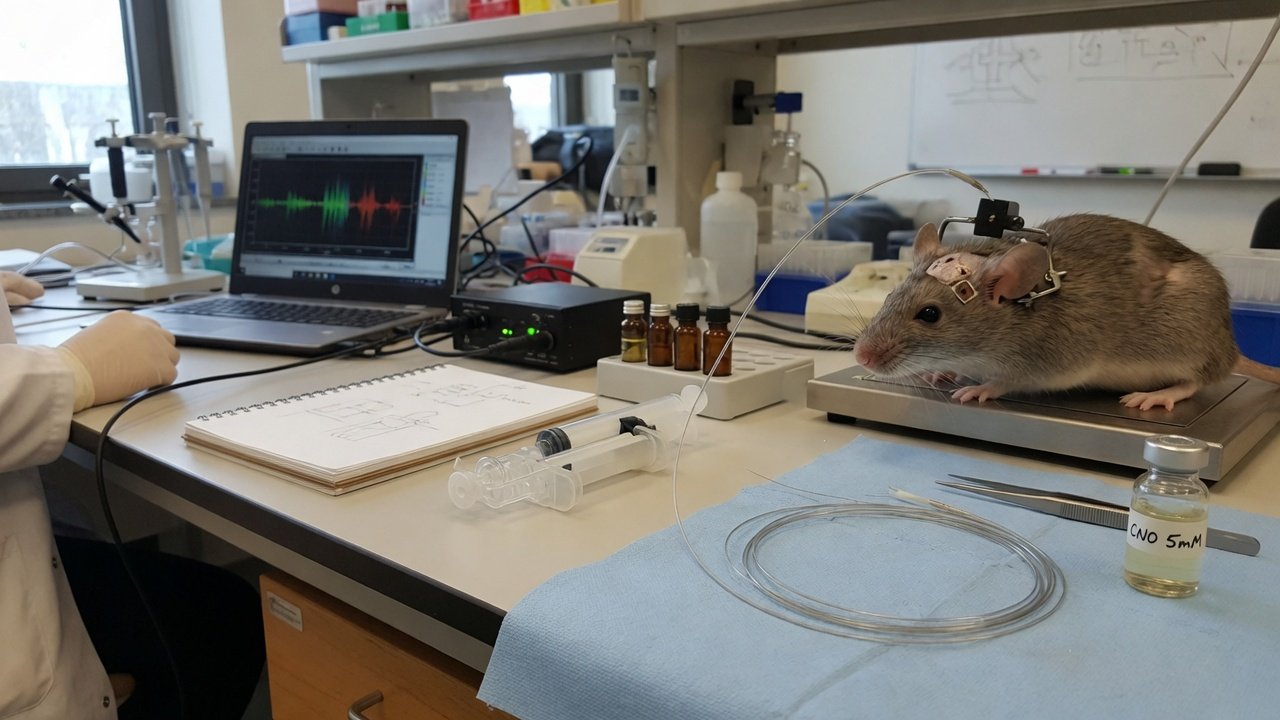
Featured image: AI-generated conceptual editorial image – not from the cited study / not a clinical photograph. تصویر: مصنوعی ذہانت سے تیار کردہ تصویری اداریہ — حوالہ شدہ تحقیق سے نہیں / کلینیکل فوٹو نہیں۔
Read the source → | اصل ماخذ پڑھیں ←
Educational digest only — not personal medical advice, not a diagnosis, and not a treatment recommendation. Discuss decisions with your treating clinician. یہ صرف تعلیمی خلاصہ ہے — ذاتی طبی مشورہ، تشخیص یا علاج کی سفارش نہیں۔ فیصلے اپنے معالج سے کریں۔
