0300 087 4232
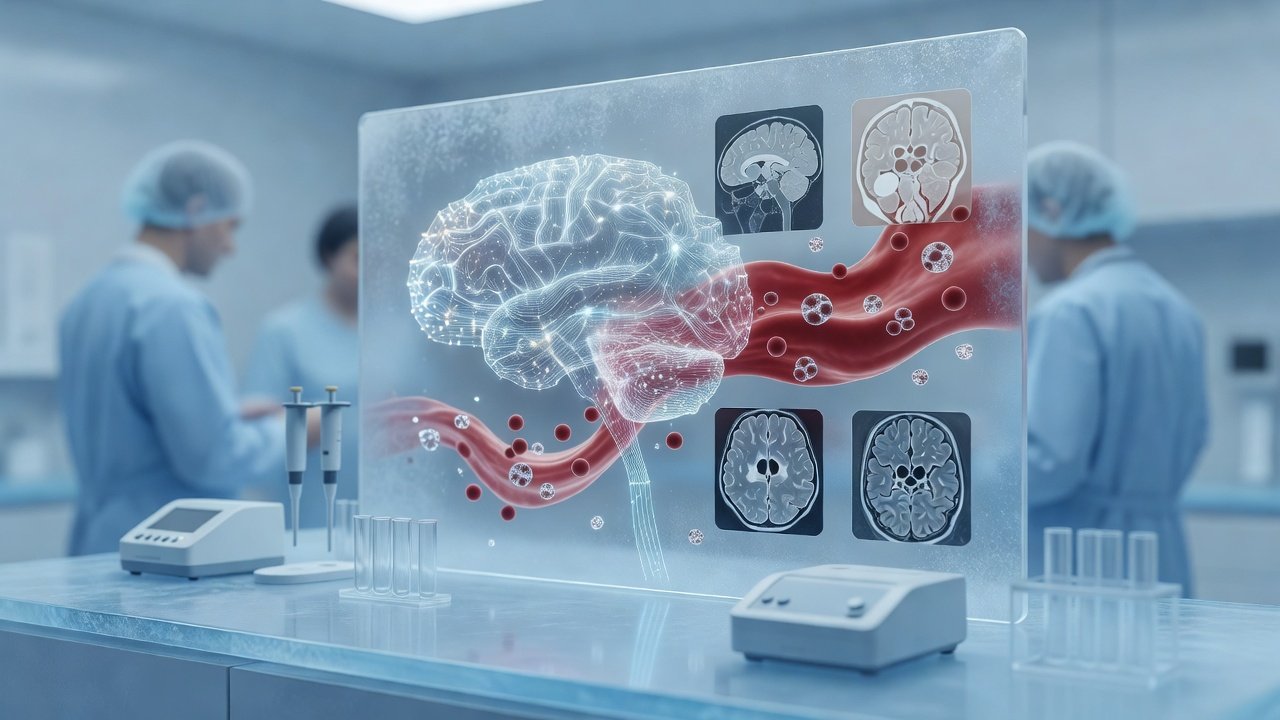
Blood-based biomarkers for Alzheimer diagnosis
For years, confirming Alzheimer disease has relied on costly PET imaging or invasive cerebrospinal fluid sampling—tools that remain scarce or unaffordable for many patients across Pakistan. A practical shift is underway: validated plasma p-tau blood tests are moving from research labs toward clinical use, offering clinicians a more accessible path to earlier dementia evaluation when advanced imaging and lumbar puncture are hard to obtain.
What changed / Why it matters
Alzheimer pathology is marked by amyloid plaques and tau tangles. Phosphorylated tau (p-tau) species measurable in blood—especially plasma p-tau217 and related assays—correlate strongly with brain amyloid and tau burden seen on PET and in CSF. Large cohort and assay-validation studies have shown that these blood tests can help distinguish Alzheimer-related cognitive decline from other causes of dementia with encouraging accuracy, often approaching the performance of CSF biomarkers in carefully selected populations.
Why this matters for Pakistani practice: PET and CSF access are concentrated in a few centres, travel and cost create delays, and many families present late. An affordable, scalable plasma p-tau pathway could support earlier specialist referral, clearer differential diagnosis (Alzheimer vs. vascular, mixed, or other neurodegenerative patterns), and more timely counselling—without replacing clinical judgement, cognitive testing, or structural MRI. Plasma assays are not a stand-alone “yes/no” test; results must be interpreted with history, examination, imaging, and exclusion of reversible contributors (B12 deficiency, thyroid disease, depression, medications, sleep disorders). Pre-analytical handling, assay platform, and local laboratory standards also affect reliability, so adoption should follow validated kits and clear referral pathways rather than ad-hoc testing.
As costs fall and regional labs gain capacity, blood-based Alzheimer biomarkers may reduce inequity in dementia diagnosis and help prioritise who needs scarce PET or CSF confirmation. Guidelines internationally are evolving toward integrating plasma biomarkers into specialist workflows; local protocols will need adaptation for prevalence of mixed pathology, vascular risk, and resource limits.
Patient takeaway
If you or a family member has progressive memory loss, language difficulty, or change in daily function, seek a structured medical assessment. A blood test for plasma p-tau, where available and appropriately ordered, may support—not replace—clinical evaluation. Early assessment still centres on history, cognitive screening, basic labs, and brain imaging. Discuss results only with a qualified clinician who knows the full picture.
*یادداشت: خون کے ٹیسٹ تشخیص کا حصہ بن سکتے ہیں، مکمل معائنے کا متبادل نہیں۔*
Disclaimer
This post is for public education only. It does not diagnose any individual, recommend a specific commercial assay, or replace in-person neurosurgical or neurological consultation. Biomarker interpretation requires clinical context and appropriate specialist oversight.
Book consultation: https://rx.drwasifmalik.com | WhatsApp +923458254232
Dr. Wasif Rizwan Malik | MBBS, FCPS (Neurosurgery) | PMDC 47983-P Consultant Neurosurgeon, Faraz Hospital, Bahawalpur
Educational only — not a substitute for clinical consultation. This daily brief is separate from the weekly Neuro Council deep-dive.
Published by: Dr. Wasif Rizwan Malik
Credentials: MBBS, FCPS (Neurosurgery), PMDC 47983-P