
 0300 087 4232
neurology
الزائمر کی بیماری میں خون کے نمونے پر مبنی جین اور ایپی جینیٹک پیٹرن: مدافعت، سوزش اور میٹابولک تبدیلیوں کا تعلق
Scientific core · سائنسی خلاصہ
A research report describes peripheral blood microarray analyses that examine both transcriptomic (gene-activity) and epigenetic signals in Alzheimer’s disease. According to the study title and scope, the work identifies patterns pointing to immune activity, inflammation, and metabolic dysregulation detectable in blood rather than only in brain tissue. Such approaches aim to characterize how systemic biological pathways accompany Alzheimer’s, which is a progressive neurodegenerative condition affecting memory, thinking, and daily function. Microarray-based profiling surveys many genes and regulatory marks at once from a blood draw, offering a window on body-wide responses that may parallel or interact with brain changes. The feed item does not provide patient numbers, diagnostic accuracy, or treatment outcomes, so this digest does not claim a ready clinical test or therapy. Findings of this type are usually early-stage and require independent replication, careful comparison with clinical diagnosis, and clear separation from routine care. Patients and families should treat blood biomarker research as scientific progress under evaluation, not as a replacement for established assessment by a neurologist. Any future blood test would need proven reliability, ethical oversight, and integration with imaging and cognitive evaluation before widespread use.
ایک تحقیقی رپورٹ میں الزائمر کی بیماری کے حوالے سے محیطی خون کے مائیکرواری تجزیوں کا ذکر ہے جو ٹرانسکرپٹومک (جین کی سرگرمی) اور ایپی جینیٹک سگنلز دونوں کا جائزہ لیتے ہیں۔ عنوان اور دائرہ کار کے مطابق یہ کام مدافعتی سرگرمی، سوزش اور میٹابولک بے ترتیبی کے پیٹرن کی نشاندہی کرتا ہے جو صرف دماغی بافتوں میں نہیں بلکہ خون میں بھی نظر آ سکتے ہیں۔ ایسے طریقے یہ سمجھنے کی کوشش کرتے ہیں کہ جسمانی حیاتیاتی راستے الزائمر کے ساتھ کیسے چلتے ہیں، جو یادداشت، سوچ اور روزمرہ کاموں کو متاثر کرنے والی پیش رونده اعصابی بیماری ہے۔ مائیکرواری پروفائلنگ ایک خون کے نمونے سے بہت سے جینز اور ریگولیٹری علامات ایک ساتھ دیکھتی ہے تاکہ جسم بھر کے رد عمل کا اندازہ ہو سکے جو دماغی تبدیلیوں کے ساتھ جڑ سکتے ہیں۔ فراہم کردہ خبر میں مریضوں کی تعداد، تشخیصی درستگی یا علاج کے نتائج نہیں دیے گئے، اس لیے یہ خلاصہ کوئی تیار طبی ٹیسٹ یا علاج کا دعویٰ نہیں کرتا۔ اس قسم کے نتائج عموماً ابتدائی مرحلے کے ہوتے ہیں اور آزاد تصدیق، کلینیکل تشخیص سے موازنہ اور معمول کی دیکھ بھال سے واضح علیحدگی کے محتاج ہیں۔ مریضوں اور خاندانوں کو خون کے بائیو مارکر کی تحقیق کو سائنسی پیش رفت سمجھنا چاہیے جو ابھی جانچی جا رہی ہو، نہ کہ ماہر اعصاب کے قائم شدہ معائنے کا متبادل۔ مستقبل کا کوئی خون کا ٹیسٹ وسیع استعمال سے پہلے ثابت شدہ اعتبار، اخلاقی نگرانی اور امیجنگ و ذہنی معائنے کے ساتھ ہم آہنگی کا محتاج ہوگا۔
Alzheimer’s care still relies on clinical assessment, cognitive testing, and selected imaging or specialist tests. Research that maps immune, inflammatory, and metabolic signals in blood may eventually support earlier risk profiling or monitoring, but only after validation. For patients in Pakistan and elsewhere, this underscores why lifestyle, vascular risk control, and specialist follow-up remain central while laboratory innovations mature.
الزائمر کی دیکھ بھال اب بھی کلینیکل معائنے، ذہنی ٹیسٹوں اور منتخب امیجنگ یا تخصصی ٹیسٹوں پر منحصر ہے۔ خون میں مدافعتی، سوزشی اور میٹابولک سگنلز کی تحقیق مستقبل میں خطرے کی ابتدائی پرکھ یا نگرانی میں مدد دے سکتی ہے، مگر صرف تصدیق کے بعد۔ پاکستان اور دیگر مقامات کے مریضوں کے لیے یہ بات اہم ہے کہ جب تک لیبارٹری کی نئی پیش رفت پختہ نہ ہو، طرز حیات، عروقی خطرے پر قابو اور ماہر کی پیروی مرکزی حیثیت رکھتے ہیں۔
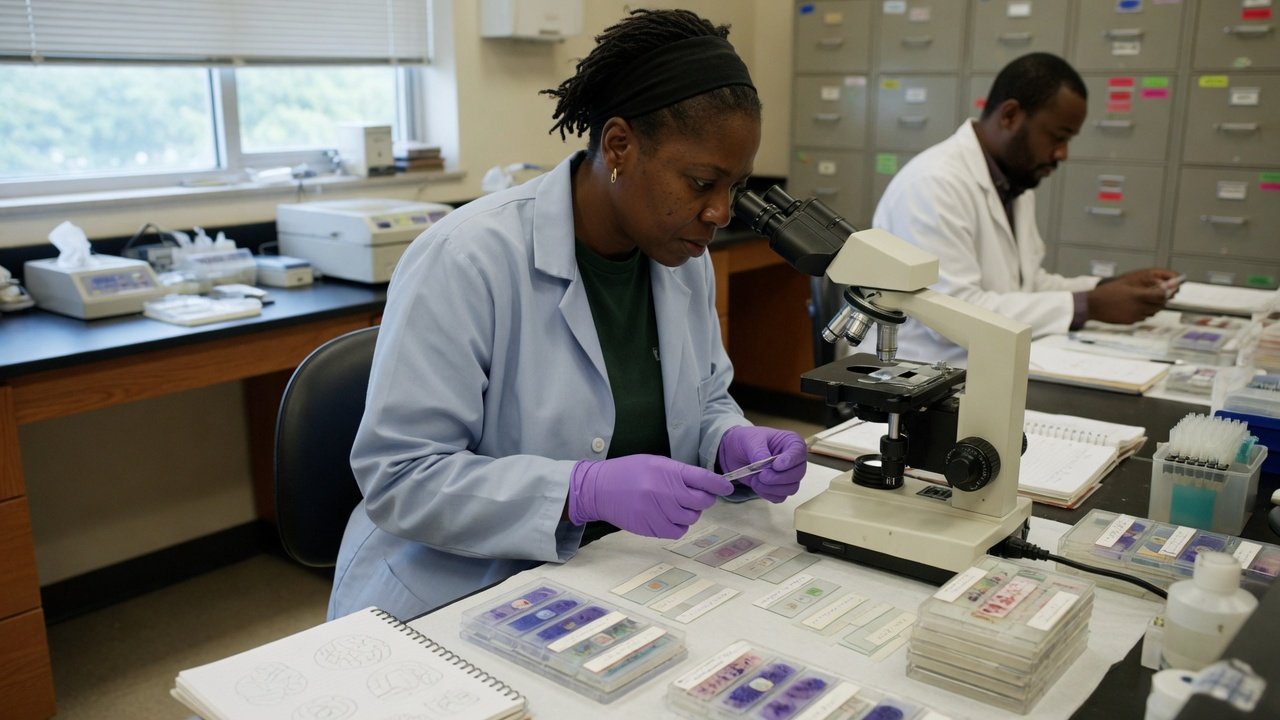
Featured image: AI-generated conceptual editorial image – not from the cited study / not a clinical photograph. تصویر: مصنوعی ذہانت سے تیار کردہ تصویری اداریہ — حوالہ شدہ تحقیق سے نہیں / کلینیکل فوٹو نہیں۔
Read the source → | اصل ماخذ پڑھیں ←
Educational digest only — not personal medical advice, not a diagnosis, and not a treatment recommendation. Discuss decisions with your treating clinician. یہ صرف تعلیمی خلاصہ ہے — ذاتی طبی مشورہ، تشخیص یا علاج کی سفارش نہیں۔ فیصلے اپنے معالج سے کریں۔
