
 0300 087 4232
neuropathology · Level of evidence: Translational/early clinical
2026
عمر رسیدہ دماغ میں خون کے مدافعتی خلیے داخل ہو کر مائیکروگلیا بن سکتے ہیں
Scientific core · سائنسی خلاصہ
Science news coverage of Stanford-led work reports that the aging human brain is less isolated from the body’s immune system than classical teaching suggested. Large numbers of immune cells from the blood reportedly begin entering the brain as early as middle age and can transform into microglia, the brain’s specialized resident immune cells. The finding challenges the durable assumption that circulating immunity and brain-resident microglia remain largely separate across adult life. Conceptually, it reframes aging-related neuroinflammation as a possible product of peripheral immune trafficking as well as local microglial biology. For neuroscience audiences, this matters to models of blood–brain barrier function, microglial ontogeny, and how systemic inflammation might shape the central microenvironment over decades. The public summary does not provide full methods, tissue sources, sample sizes, or the primary peer-reviewed citation, so claims should be verified against the original paper when available. This digest is educational only and does not imply any change in clinical care.
سائنس کی خبر رساں رپورٹ کے مطابق سٹینفورڈ سے منسلک تحقیق بتاتی ہے کہ عمر رسیدہ انسانی دماغ جسم کے مدافعتی نظام سے اتنا الگ نہیں جتنا روایتی طور پر سمجھا جاتا تھا۔ رپورٹ کے مطابق درمیانی عمر سے ہی خون کے بڑی تعداد میں مدافعتی خلیے دماغ میں داخل ہونا شروع ہو جاتے ہیں اور وہاں دماغ کے خصوصی مدافعتی خلیوں—مائیکروگلیا—میں تبدیل ہو سکتے ہیں۔ یہ مشاہدہ اس پرانی مفروضے کو چیلنج کرتا ہے کہ بالغ زندگی بھر گردشی مدافعت اور دماغی مائیکروگلیا زیادہ تر الگ رہتے ہیں۔ تصوراتی طور پر بڑھاپے سے جڑی عصبی سوزش کو صرف مقامی مائیکروگلیا نہیں بلکہ محیطی مدافعتی خلیوں کی آمد سے بھی جوڑا جا سکتا ہے۔ خون–دماغ رکاوٹ، مائیکروگلیا کی پیدائش، اور نظامی سوزش کے اثرات سمجھنے کے لیے یہ اہم ہے۔ عوامی خلاصے میں مکمل طریقہ کار، نمونوں کی تفصیل یا اصل مقالے کا حوالہ نہیں؛ اصل پیپر سے تصدیق ضروری ہے۔ یہ صرف تعلیمی مواد ہے، طبی مشورہ نہیں۔
Neurosurgeons, neurologists, and trainees should read this as an update to the “immune-privileged brain” narrative, relevant to aging patients, perioperative inflammation, and research on injury or neurodegeneration—not as a practice guideline. Residents can connect it to blood–brain barrier biology and microglial origins when discussing neuroinflammation on rounds. Medical students gain a lifespan view of CNS–systemic immune crosstalk. Always cite the primary study, not only news summaries.
نیورو سرجنز، نیورولوجسٹس اور ٹرینیز اسے دماغ کی “مدافعتی علیحدگی” کے روایتی بیان کی تازہ کاری کے طور پر دیکھیں—بڑی عمر کے مریضوں، آپریشن کے گرد سوزش، اور چوٹ یا تنزلی امراض کی تحقیق سے متعلق—عملی گائیڈ لائن کے طور پر نہیں۔ ریزیڈنٹس راؤنڈز پر خون–دماغ رکاوٹ اور مائیکروگلیا کی بنیاد سے جوڑ کر پڑھیں۔ میڈیکل طلبہ کو مرکزی اعصابی اور نظامی مدافعت کے رابطے کا عمر بھر کا تناظر ملتا ہے۔ خبر نہیں بلکہ اصل مقالہ حوالہ دیں۔
Researchers report that as people age, some immune cells from the blood may enter the brain and turn into the brain’s own immune cells. This helps scientists understand how the body and brain interact during aging. It is early research news, not a treatment or personal medical advice.
محققین بتاتے ہیں کہ عمر کے ساتھ خون کے کچھ مدافعتی خلیے دماغ میں جا سکتے ہیں اور دماغ کے اپنے مدافعتی خلیے بن سکتے ہیں۔ اس سے سمجھنے میں مدد ملتی ہے کہ بڑھاپے میں جسم اور دماغ کیسے بات چیت کرتے ہیں۔ یہ ابتدائی تحقیقی خبر ہے، علاج یا ذاتی طبی مشورہ نہیں۔
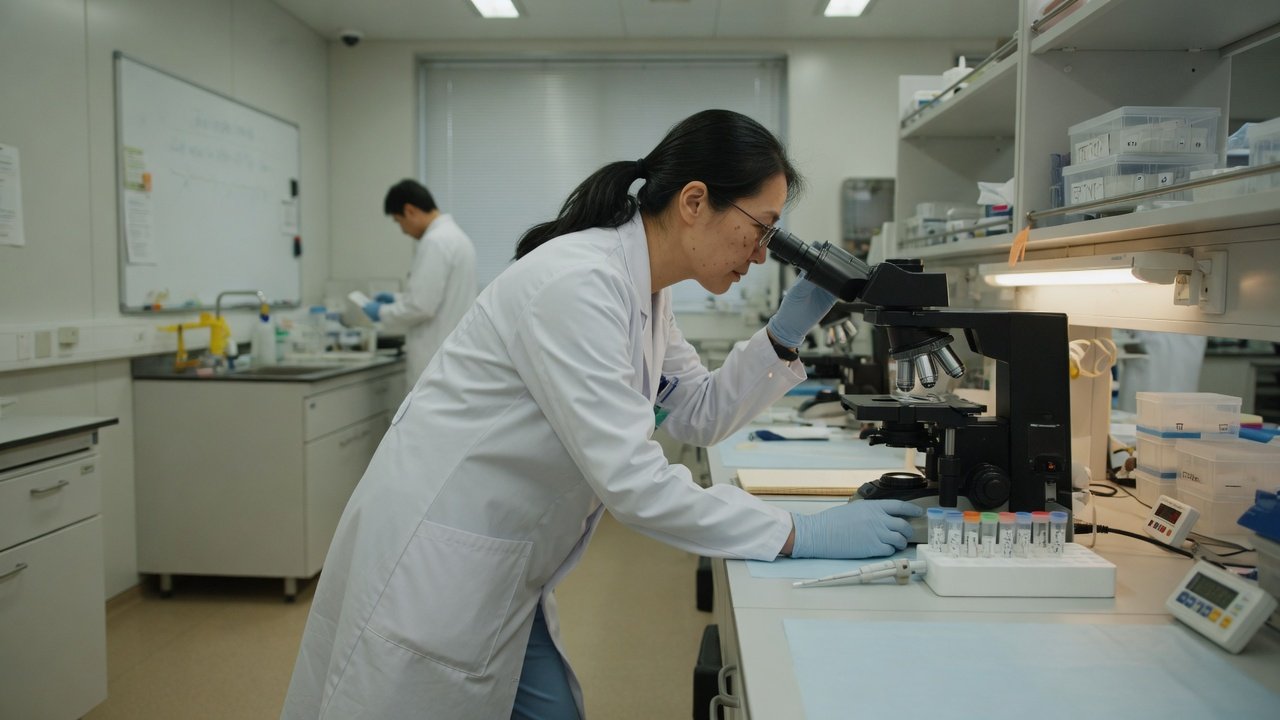
Featured image: AI-generated conceptual editorial image – not from the cited study / not a clinical photograph. تصویر: مصنوعی ذہانت سے تیار کردہ تصویری اداریہ — حوالہ شدہ تحقیق سے نہیں / کلینیکل فوٹو نہیں۔
Read the source → | اصل ماخذ پڑھیں ←
Educational digest only — not personal medical advice, not a diagnosis, and not a treatment recommendation. Discuss decisions with your treating clinician. یہ صرف تعلیمی خلاصہ ہے — ذاتی طبی مشورہ، تشخیص یا علاج کی سفارش نہیں۔ فیصلے اپنے معالج سے کریں۔
