
 0300 087 4232
neurology · Level of evidence: Early biomarker
Brain scans reveal a possible cause of long COVID fatigue and brain fog
ScienceDaily (news summary of primary research; journal not specified in feed) · 2026
طویل کووڈ کی تھکاوٹ اور دماغی دھند کا ڈوپامائن راستوں سے ممکنہ تعلق
Scientific core · سائنسی خلاصہ
A ScienceDaily report summarizes research suggesting that long COVID may involve injury or dysfunction of dopamine-releasing neurons. The proposed mechanism is offered as a possible explanation for persistent fatigue, reduced motivation, slowed movement, and memory difficulty after SARS-CoV-2 infection. Brain imaging is described as the key observational window into these changes. The feed item does not provide sample size, imaging modality details, effect sizes, controls, or a primary journal citation, so conclusions must remain provisional. If confirmed in peer-reviewed human cohorts, a dopaminergic framework would align some long-COVID neurocognitive features with known circuits for drive, motor initiation, and working memory. It would also motivate careful evaluation of dopamine-targeted strategies as research hypotheses only—not established therapy. Replication, clinical correlation, and exclusion of confounders (sleep, mood, deconditioning, medications) remain essential before any practice change.
سائنس ڈیلی کی رپورٹ کے مطابق تحقیق سے اشارہ ملتا ہے کہ طویل کووڈ میں ڈوپامائن خارج کرنے والے نیوران متاثر ہو سکتے ہیں۔ یہ ممکنہ طور پر مستقل تھکاوٹ، کم حوصلہ، سست حرکت، اور یادداشت کی مشکل کی وضاحت کر سکتا ہے۔ دماغی اسکینز کو ان تبدیلیوں کا مشاہداتی ذریعہ بتایا گیا ہے۔ فیڈ میں نمونہ سائز، امیجنگ کی تفصیل، اثر کی مقدار، کنٹرول گروپ، یا اصل جریدے کا مکمل حوالہ نہیں دیا گیا، اس لیے نتائج عارضی سمجھے جائیں۔ اگر انسانی مطالعات میں تصدیق ہو، تو یہ ڈوپامائن سرکٹس کے ساتھ کچھ عصبی ادراکی علامات کو جوڑ سکتا ہے اور مستقبل کی تحقیق کے لیے راستہ کھول سکتا ہے—تاہم یہ ثابت شدہ علاج نہیں۔ نقلِ تحقیق، کلینیکل تعلق، اور الجھانے والے عوامل کا جائزہ ضروری ہے۔
For neurologists, neurosurgeons, residents, and students, this is a mechanistic hypothesis linking post-viral fatigue and cognitive slowing to dopaminergic systems rather than a treatment mandate. It reinforces structured neurocognitive history-taking, consideration of differential diagnoses, and critical reading of imaging-biomarker claims when primary methods are not yet in hand. Trainees should track the eventual peer-reviewed paper for design quality before counseling patients or altering management.
ماہرینِ اعصاب، نیورو سرجنز، رہائشی ڈاکٹروں اور طلبہ کے لیے یہ ڈوپامائن نظام سے جڑی ایک میکانیکی مفروضہ ہے، علاج کا حکم نہیں۔ یہ منظم تاریخ، تفریقی تشخیص، اور امیجنگ-بائیومارکر دعووں کی تنقیدی پڑھائی کی اہمیت بتاتا ہے۔ مریضوں کو مشورہ یا علاج بدلنے سے پہلے اصل ہم مرتبہ نظرثانی شدہ مقالے کا انتظار کریں۔
Researchers are studying whether long COVID tiredness and brain fog relate to brain chemical pathways involved in motivation and movement. This is early scientific work, not proof of a cure. Care decisions should still be made with a qualified clinician.
محققین دیکھ رہے ہیں کہ طویل کووڈ کی تھکاوٹ اور دماغی دھند کا تعلق دماغ کے ان کیمیائی راستوں سے ہو سکتا ہے جو حوصلہ اور حرکت سے جڑے ہیں۔ یہ ابتدائی سائنسی کام ہے، علاج کی ضمانت نہیں۔ فیصلے اپنے مستند ڈاکٹر کے ساتھ ہی کریں۔
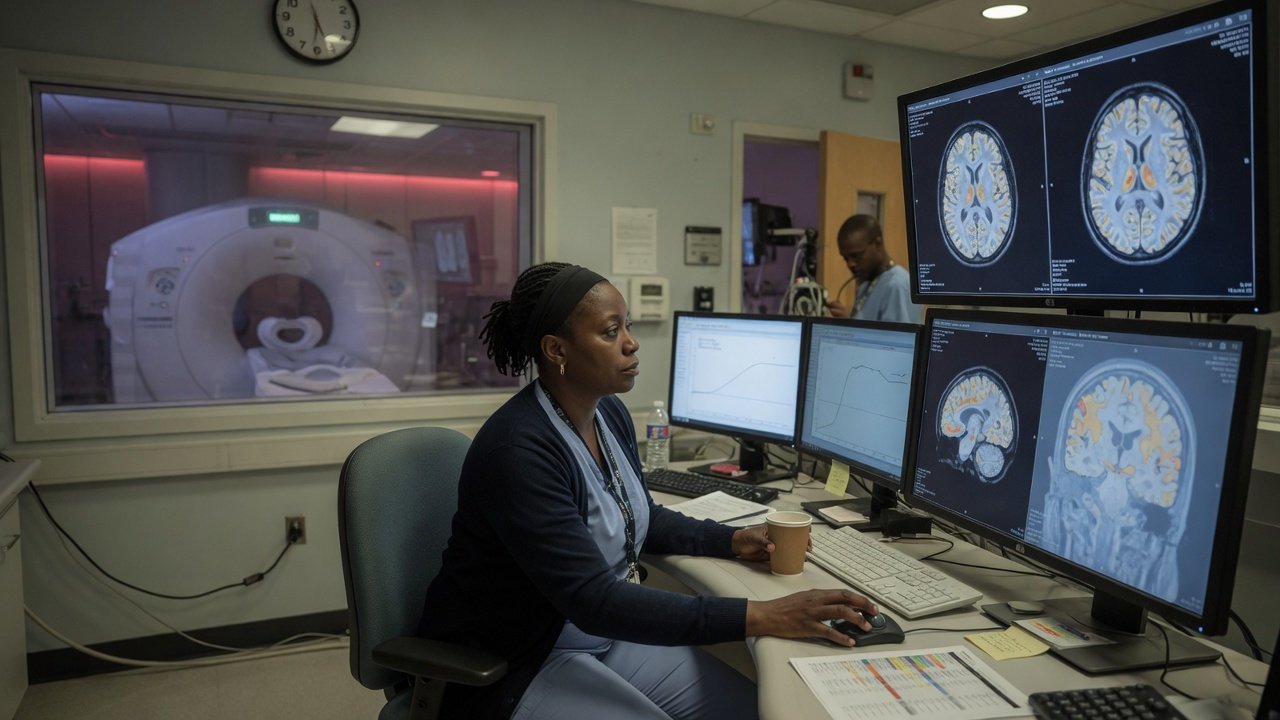
Featured image: AI-generated conceptual editorial image – not from the cited study / not a clinical photograph. تصویر: مصنوعی ذہانت سے تیار کردہ تصویری اداریہ — حوالہ شدہ تحقیق سے نہیں / کلینیکل فوٹو نہیں۔
Read the source → | اصل ماخذ پڑھیں ←
Educational digest only — not personal medical advice, not a diagnosis, and not a treatment recommendation. Discuss decisions with your treating clinician. یہ صرف تعلیمی خلاصہ ہے — ذاتی طبی مشورہ، تشخیص یا علاج کی سفارش نہیں۔ فیصلے اپنے معالج سے کریں۔
