
 0300 087 4232
stroke · Level of evidence: Preclinical/animal
New injectable treatment helps the brain rebuild after stroke
ScienceDaily report of Duke University preclinical research · 2026
چوہوں میں اسٹروک کے بعد انجیکٹ ایبل سکیفولڈ سے عروقی اور عصبی مرمت کی حمایت
Scientific core · سائنسی خلاصہ
According to a ScienceDaily summary of Duke research, an injectable scaffold was tested in mice after stroke-like brain injury. Reported directions of effect included support for new blood-vessel growth, conditions favorable to nerve regrowth, and improved movement recovery in the animal model. The summary highlights a possible role for recruited immune cells, including neutrophils that may shift from injurious toward more helpful phenotypes under the scaffold’s local cues. This is classic translational stroke biology: biomaterials plus endogenous repair rather than a single-drug narrative. Limitations inherent to the report type and evidence tier are critical—mouse stroke models do not capture full human comorbidity, timing, or scale, and no human efficacy is established in the provided feed item. For education, the piece illustrates how extracellular matrix–mimetic or hydrogel-type implants are being explored to reshape the post-ischemic niche, couple angiogenesis to axonal support, and modulate innate immunity. Professionals should await peer-reviewed primary methods, dosing, infarct models, behavioral batteries, and safety readouts before any clinical extrapolation.
ڈیوک یونیورسٹی کی پیش کلینیکل تحقیق کی سائنس ڈیلی خلاصے کے مطابق، اسٹروک نما دماغی چوٹ کے بعد چوہوں میں ایک انجیکٹ ایبل سکیفولڈ آزمایا گیا۔ بیان کردہ اثرات میں نئی خون کی نالیوں کی نمو کی حمایت، اعصابی دوبارہ نمو کے لیے سازگار ماحول، اور جانوروں کے ماڈل میں حرکت کی بہتر بحالی شامل ہیں۔ خلاصہ مدافعتی خلیات—بشمول نیوٹروفلز—کے ممکنہ کردار کی طرف اشارہ کرتا ہے جو مقامی اشاروں کے تحت نقصان دہ سے نسبتاً مددگار رویے کی طرف مائل ہو سکتے ہیں۔ یہ ترجمہاتی اسٹروک حیاتیات کی مثال ہے: بائیو میٹیریلز اور جسم کی اندرونی مرمت۔ ثبوت کی سطح اور رپورٹ کی نوعیت کی حدود اہم ہیں—چوہوں کے ماڈل انسانی بیماری، وقت اور پیمانے کی مکمل عکاسی نہیں کرتے، اور فراہم کردہ مواد میں انسانی افادیت ثابت نہیں۔ تعلیمی طور پر یہ دکھاتا ہے کہ پوسٹ اسکیمک ماحول بدلنے، انجیوجینیسس کو محوری حمایت سے جوڑنے، اور فطری مدافعت کو ماڈیولیٹ کرنے کے لیے سکیفولڈ/ہائیڈروجل تحقیق کیسے چل رہی ہے۔ کلینیکل اطلاق سے پہلے اصل ہم مرتبہ جائزہ شدہ طریقے، حفاظتی ڈیٹا اور انسانی مطالعات درکار ہیں۔
Stroke neurosurgeons, vascular neurologists, and trainees can use this as a teaching case on biomaterial scaffolds, post-stroke neuroinflammation, and why angiogenesis–neurogenesis coupling is a recurring repair theme. It is not practice-changing: evidence remains animal-only in this feed item. Discuss model choice, immune phenotyping, and the long path from injectable gels to regulated human stroke trials.
اسٹروک نیورو سرجنز، ویسکولر نیورولوجسٹس اور تربیت حاصل کرنے والے اسے بائیو میٹیریل سکیفولڈز، پوسٹ اسٹروک نیورو انفلیمیشن، اور مرمت میں انجیوجینیسس–نیوروجینیسس کے ربط پر تعلیمی کیس کے طور پر استعمال کر سکتے ہیں۔ یہ فیڈ آئٹم کے مطابق ابھی پریکٹس تبدیل کرنے والا نہیں—ثبوت جانوروں تک محدود ہے۔ ماڈل انتخاب، مدافعتی فینوٹائپنگ، اور انسانی ٹرائلز تک کے لمبے راستے پر بحث مفید ہے۔
Scientists tested an injectable material in mice to see if it could help the brain’s blood vessels and nerves recover after stroke and improve movement in the animals. This is early laboratory research. It does not mean a proven treatment is available for people yet.
سائنس دانوں نے چوہوں میں ایک انجیکٹ ایبل مواد آزمایا تاکہ دیکھا جا سکے کہ اسٹروک کے بعد دماغ کی نالیوں اور اعصاب کی بحالی اور حرکت میں مدد ملتی ہے یا نہیں۔ یہ ابتدائی لیبارٹری تحقیق ہے اور اس کا مطلب یہ نہیں کہ انسانوں کے لیے ثابت شدہ علاج اب دستیاب ہے۔
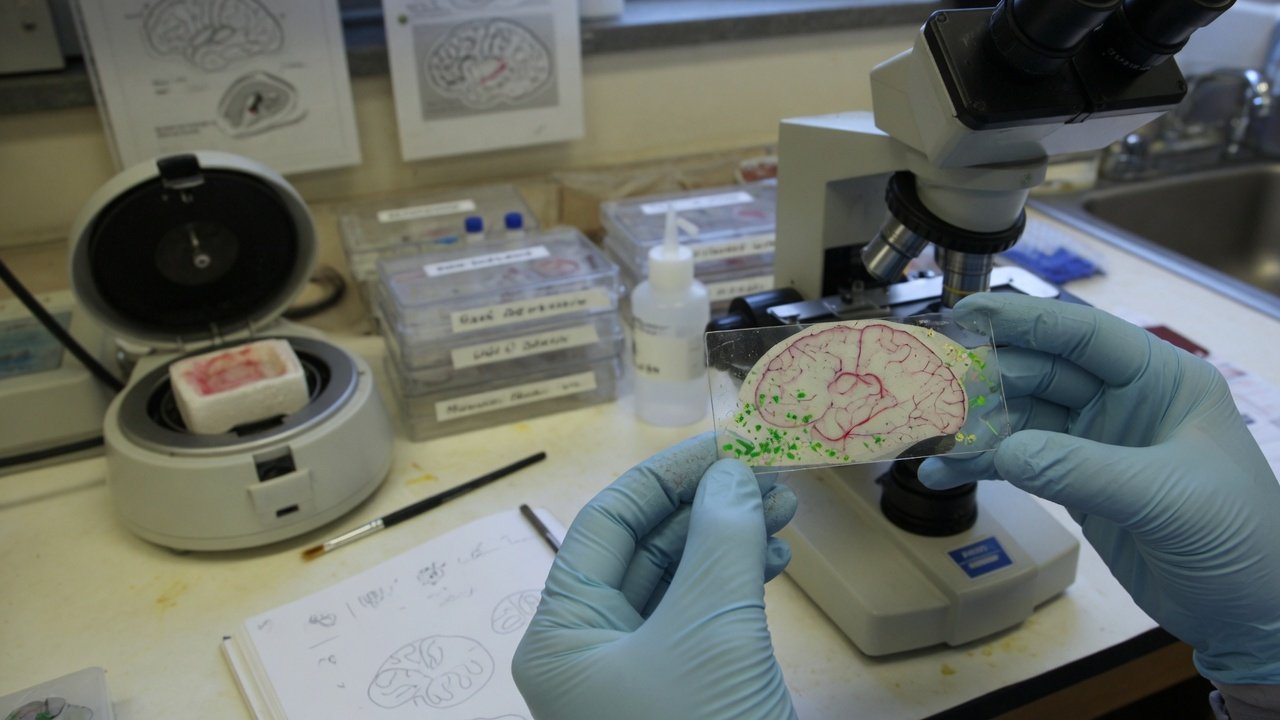
Featured image: AI-generated conceptual editorial image – not from the cited study / not a clinical photograph. تصویر: مصنوعی ذہانت سے تیار کردہ تصویری اداریہ — حوالہ شدہ تحقیق سے نہیں / کلینیکل فوٹو نہیں۔
Read the source → | اصل ماخذ پڑھیں ←
Educational digest only — not personal medical advice, not a diagnosis, and not a treatment recommendation. Discuss decisions with your treating clinician. یہ صرف تعلیمی خلاصہ ہے — ذاتی طبی مشورہ، تشخیص یا علاج کی سفارش نہیں۔ فیصلے اپنے معالج سے کریں۔
