
 0300 087 4232
cognition · Level of evidence: Observational human cohort
Clinical-cognitive profiles in long COVID and their associations with inflammatory-endothelial biomarkers and vascular measures
Scientific Reports (Nature Portfolio) · 2026
لانگ کووڈ کے ذہنی و ادراکی پروفائلز اور سوزش–اینڈوتھیلیل و وعائی بائیو مارکرز کا تعلق
Scientific core · سائنسی خلاصہ
This human observational study examines how distinct clinical-cognitive profiles in people with long COVID relate to circulating inflammatory and endothelial biomarkers and to vascular measures. Rather than treating long COVID cognition as a single entity, the work groups participants by cognitive and clinical patterns and tests whether those patterns align with biological signals of inflammation, endothelial stress, and vascular function. Such multimodal phenotyping matters because post-COVID cognitive complaints are heterogeneous; linking bedside cognitive profiles to measurable vascular–inflammatory pathways may refine patient stratification and hypothesis generation for future trials. Findings remain associative: biomarker correlations do not prove that inflammation or endothelial injury directly cause specific cognitive deficits, and residual confounding, selection bias, and assay variability are inherent limits of cohort designs. For neuroscience and rehabilitation audiences, the paper underscores the need to integrate standardized cognitive batteries with vascular and endothelial readouts when studying post-infectious brain health. Replication in larger, multi-center cohorts and longitudinal designs will be required before clinical pathways change.
یہ انسانی مشاہداتی مطالعہ لانگ کووڈ میں مختلف طبی–ادراکی پروفائلز کا تعلق گردشی سوزشی و اینڈوتھیلیل بائیو مارکرز اور وعائی پیمائشوں سے جانچتا ہے۔ ادراک کو ایک ہی شکل سمجھنے کے بجائے شرکاء کو ذہنی و طبی نمونوں کے مطابق گروہ بند کیا گیا اور دیکھا گیا کہ آیا یہ نمونے سوزش، اینڈوتھیلیل دباؤ اور وعائی فعل کی حیاتیاتی علامتوں سے ہم آہنگ ہیں۔ لانگ کووڈ کی ذہنی شکایات متنوع ہوتی ہیں؛ کلینیکل پروفائل کو وعائی–سوزشی راستوں سے جوڑنا مریضوں کی بہتر درجہ بندی اور مستقبل کے ٹرائلز کے لیے مفروضے بنانے میں مدد دے سکتا ہے۔ نتائج تعلقاتی ہیں: بائیو مارکر کا تعلق یہ ثابت نہیں کرتا کہ سوزش یا اینڈوتھیلیل چوٹ براہِ راست مخصوص ادراکی خلل کی وجہ ہے۔ انتخابی تعصب اور پیمائشی حدود کو مدنظر رکھنا ضروری ہے۔ اعصابی بحالی کے لیے معیاری ادراکی ٹیسٹوں کے ساتھ وعائی و اینڈوتھیلیل اشاریے جوڑنا اہم ہے۔ بڑے کثیرالمرکزی اور طولی مطالعات سے تصدیق سے پہلے کلینیکل راستے نہیں بدلنے چاہئیں۔
For neurosurgeons, neurologists, residents, and students, this work models how to phenotype post-infectious cognitive syndromes with combined cognitive, inflammatory, endothelial, and vascular data instead of a single “brain fog” label. It is relevant when counseling patients referred for imaging or surgical opinion after COVID who have normal structural scans but persistent cognitive symptoms. Treat results as hypothesis-generating associations, not indications for empiric anti-inflammatory or vascular interventions. Use it to practice critical appraisal of biomarker–cognition studies and to design better longitudinal and interventional research questions.
نیورو سرجنز، نیورولوجسٹس، ریزیڈنٹس اور طلبہ کے لیے یہ مطالعہ سکھاتا ہے کہ پوسٹ انفیکشن ادراکی سنڈرومز کو صرف “برین فاگ” نہ کہہ کر ادراکی، سوزشی، اینڈوتھیلیل اور وعائی ڈیٹا سے پھی نوٹائپ کریں۔ کووڈ کے بعد نارمل اسکین مگر مستقل ذہنی علامات والے مریضوں کی مشاورت میں پس منظر کے طور پر مفید ہے۔ نتائج کو مفروضہ ساز تعلق سمجھیں، تجرباتی اینٹی سوزشی یا وعائی علاج کی دلیل نہیں۔ بائیو مارکر–ادراک مطالعات کی تنقیدی جانچ اور بہتر ریسرچ ڈیزائن کی مشق کے لیے استعمال کریں۔
Some people with long COVID have different patterns of thinking and memory symptoms, and researchers are studying whether blood and blood-vessel markers relate to those patterns. This kind of study looks for links; it does not prove what causes symptoms or which treatment will help. Care decisions should still be made with a qualified clinician using the full individual picture.
لانگ کووڈ میں کچھ افراد کی سوچ اور یادداشت کی علامات مختلف انداز کی ہو سکتی ہیں، اور سائنسدان دیکھ رہے ہیں کہ خون اور خون کی نالیوں کے اشاریے ان سے کیسے جڑتے ہیں۔ ایسی تحقیق تعلق تلاش کرتی ہے؛ یہ ثابت نہیں کرتی کہ علامات کی اصل وجہ کیا ہے یا کون سا علاج مدد کرے گا۔ فیصلے ہمیشہ مستند ڈاکٹر کے ساتھ مکمل ذاتی صورتحال دیکھ کر ہی ہونے چاہئیں۔
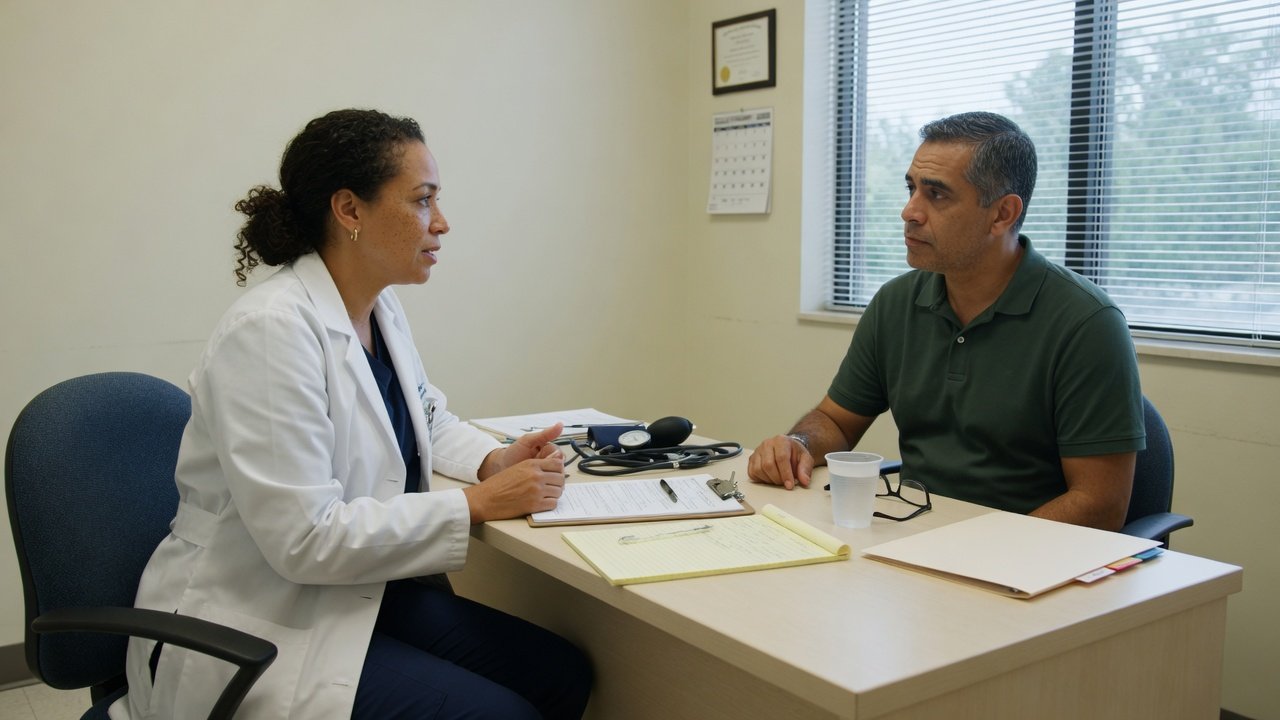
Featured image: AI-generated conceptual editorial image – not from the cited study / not a clinical photograph. تصویر: مصنوعی ذہانت سے تیار کردہ تصویری اداریہ — حوالہ شدہ تحقیق سے نہیں / کلینیکل فوٹو نہیں۔
Read the source → | اصل ماخذ پڑھیں ←
Educational digest only — not personal medical advice, not a diagnosis, and not a treatment recommendation. Discuss decisions with your treating clinician. یہ صرف تعلیمی خلاصہ ہے — ذاتی طبی مشورہ، تشخیص یا علاج کی سفارش نہیں۔ فیصلے اپنے معالج سے کریں۔
