
 0300 087 4232
cognition · Level of evidence: Observational human cohort
A little movement in midlife could pay off for your brain years later
2026
درمیانی عمر کی جسمانی سرگرمی اور بہتر بلڈ شوگر بعد کی زندگی میں سست ذہنی تنزل سے منسلک
Scientific core · سائنسی خلاصہ
ScienceDaily reports research linking midlife exercise and healthier blood-sugar control with slower cognitive decline measured decades later. Physical activity appeared especially beneficial in Mexican American adults in the summarized analysis, underscoring that brain-protective associations may vary across populations and should not be assumed uniform. Mechanistically, midlife cardiorespiratory fitness and glycemic control plausibly influence cerebrovascular health, insulin signaling in brain, low-grade inflammation, and reserve against later neurodegeneration or vascular cognitive impairment. As observational work, residual confounding (education, comorbidity, access to care, reverse causation) remains important. The educational value is life-course prevention: modifiable midlife vascular and metabolic factors are relevant to the same pathways neurosurgical and stroke teams manage when patients present with cognitive complaints, small-vessel disease, or mixed dementia phenotypes years later.
سائنس ڈیلی ایسی تحقیق کی رپورٹ کرتی ہے جو درمیانی عمر کی ورزش اور بہتر بلڈ شوگر کنٹرول کو دہائیوں بعد ناپے گئے سست ذہنی تنزل سے جوڑتی ہے۔ خلاصہ کردہ تجزیے میں جسمانی سرگرمی میکسیکن امریکی بالغوں کے لیے خاص طور پر مفید دکھائی دی، جو بتاتا ہے کہ دماغ کی حفاظت سے جڑے تعلقات آبادیوں میں مختلف ہو سکتے ہیں اور یکساں فرض نہیں کیے جانے۔ میکانکی طور پر، درمیانی عمر کی قلبی سانس کی فٹنس اور گلائیسیمک کنٹرول دماغی عروقی صحت، دماغ میں انسولین سگنلنگ، ہلکی سوزش، اور بعد کی نیوروڈیجنریشن یا عروقی ذہنی کمزوری کے خلاف ذخیرے کو متاثر کر سکتے ہیں۔ مشاہداتی کام ہونے کے ناتے تعلیم، ہمراہ امراض، علاج تک رسائی، اور الٹی سببیت جیسے عوامل اہم رہتے ہیں۔ تعلیمی نکتہ زندگی بھر کی روک تھام ہے: درمیانی عمر کے قابلِ تبدیل عروقی و میٹابولک عوامل انہی راستوں سے جڑے ہیں جنہیں نیورو سرجیکل اور اسٹروک ٹیمیں برسوں بعد ذہنی شکایات، چھوٹی نالی کی بیماری، یا مخلوط ڈیمنشیا کے مریضوں میں سنبھالتی ہیں۔
Cognitive and stroke services should frame midlife activity and glycemic health as upstream contributors to later vascular and mixed cognitive impairment, not only as general wellness advice. Residents can use this to practice population-aware counseling and to connect outpatient risk-factor control with imaging patterns of small-vessel disease. It is a teaching hook for prevention alongside surgical and pharmacologic care, without claiming exercise is a dementia cure.
ذہنی اور اسٹروک خدمات کو درمیانی عمر کی سرگرمی اور گلائیسیمک صحت کو بعد کی عروقی و مخلوط ذہنی کمزوری کے بالائی عوامل کے طور پر بیان کرنا چاہیے، صرف عمومی تندرستی کی نصیحت کے طور پر نہیں۔ رہائشی ڈاکٹر اس سے آبادی کے لحاظ سے مشاورت کی مشق کر سکتے ہیں اور بیرونی مریضوں کے خطرے کے عوامل کو چھوٹی نالی کی بیماری کی امیجنگ سے جوڑ سکتے ہیں۔ یہ جراحی و دوائی دیکھ بھال کے ساتھ روک تھام سکھانے کا ذریعہ ہے، بغیر یہ دعویٰ کیے کہ ورزش ڈیمنشیا کا علاج ہے۔
Staying active and keeping blood sugar in a healthier range in middle age was linked with slower decline in thinking skills many years later. Benefits may not be the same for every community. This is general research information, not a personal treatment plan.
درمیانی عمر میں فعال رہنا اور بلڈ شوگر کو بہتر حد میں رکھنا کئی سال بعد سوچنے کی صلاحیتوں کے سست تنزل سے منسلک تھا۔ فائدہ ہر برادری کے لیے ایک جیسا نہیں ہو سکتا۔ یہ عمومی تحقیقی معلومات ہیں، ذاتی علاج کا منصوبہ نہیں۔
In South Punjab clinics, midlife diabetes education and realistic activity goals may be especially relevant when discussing long-term brain and vascular health with families.
جنوبی پنجاب کے کلینکس میں خاندانوں سے دماغ اور عروقی صحت کی طویل المدتی بات کرتے وقت درمیانی عمر کی ذیابیطس کی تعلیم اور حقیقت پسندانہ سرگرمی کے اہداف خاص طور پر مفید ہو سکتے ہیں۔
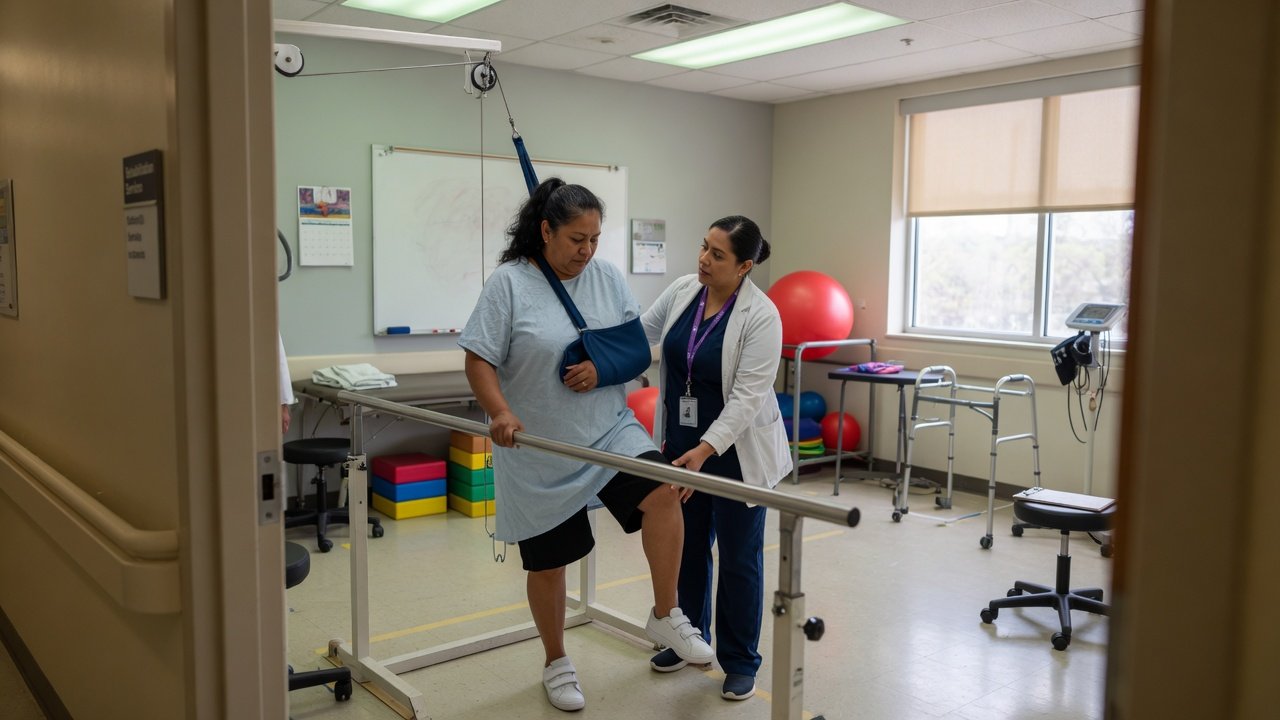
Featured image: AI-generated conceptual editorial image – not from the cited study / not a clinical photograph. تصویر: مصنوعی ذہانت سے تیار کردہ تصویری اداریہ — حوالہ شدہ تحقیق سے نہیں / کلینیکل فوٹو نہیں۔
Read the source → | اصل ماخذ پڑھیں ←
Educational digest only — not personal medical advice, not a diagnosis, and not a treatment recommendation. Discuss decisions with your treating clinician. یہ صرف تعلیمی خلاصہ ہے — ذاتی طبی مشورہ، تشخیص یا علاج کی سفارش نہیں۔ فیصلے اپنے معالج سے کریں۔
