
 0300 087 4232
cognition · Level of evidence: Preclinical/animal
sGC oxidation impairs NO-dependent ophthalmic artery vascular reactivity and alters long-term memory performance in mice
Scientific Reports (Nature Portfolio) · 2026
آکسیدائزڈ ایس جی سی چوہوں میں این او پر منحصر آنکھ کی نالیوں کے ردعمل اور طویل مدتی یادداشت میں تبدیلی سے منسلک
Scientific core · سائنسی خلاصہ
In this mouse study, oxidation of soluble guanylate cyclase (sGC)—a key downstream effector of nitric oxide (NO) signaling—is reported to impair NO-dependent vascular reactivity in the ophthalmic artery and to alter long-term memory performance. NO–sGC–cGMP signaling regulates vascular tone and is also implicated in synaptic and cognitive processes; oxidative stress can shift sGC toward less NO-responsive states in experimental systems. The concurrent vascular and behavioral readouts suggest a possible experimental link between redox regulation of sGC, ocular perfusion physiology, and memory-related performance in rodents. Educationally, the paper illustrates how a single molecular redox modification can be studied across vessel function and cognition. Limits are substantial for clinical audiences: species differences, anesthetic and behavioral confounds, and absence of human outcome data mean this does not define mechanisms of human visual loss, stroke, dementia, or neurosurgical risk, and it does not justify diagnostic or therapeutic use of sGC-targeted strategies without dedicated clinical evidence.
اس چوہا مطالعہ میں حل پذیر گوانیلیل سائیکلیز (sGC)—نائٹرک آکسائڈ (NO) سگنلنگ کا اہم نیچے کی طرف عمل کرنے والا عنصر—کی آکسیڈیشن سے چشم کی شریان میں NO پر منحصر عروقی ردعمل کمزور پڑنے اور طویل مدتی یادداشت کی کارکردگی بدلنے کی رپورٹ کی گئی ہے۔ NO–sGC–cGMP راستہ عروقی ٹون کو منظم کرتا ہے اور سینیپٹک و ادراکی عمل سے بھی جڑا بتایا جاتا ہے؛ تجرباتی نظاموں میں آکسیڈیٹو تناؤ sGC کو کم NO-جوابدہ حالت کی طرف لے جا سکتا ہے۔ عروقی اور رویّاتی پیمائشوں کا ساتھ آنا چوہوں میں sGC کی ریڈوکس تنظیم، آنکھ کی خون رسانی، اور یادداشت کے درمیان ممکنہ تجرباتی ربط کا اشارہ دیتا ہے۔ تعلیمی طور پر یہ دکھاتا ہے کہ ایک مالیکیولر ریڈوکس تبدیلی کو نالیوں اور ادراک دونوں سطحوں پر کیسے پرکھا جا سکتا ہے۔ کلینیکی ناظرین کے لیے حدود واضح ہیں: انواع کے فرق، اینستھیزیا/رویّاتی الجھنیں، اور انسانی نتائج کی غیر موجودگی—یہ انسانی بینائی نقصان، اسٹروک، ڈیمنشیا یا نیورو سرجیکل خطرے کا تعین نہیں کرتا، اور بغیر مضبوط کلینیکی ثبوت کے sGC ہدف علاج یا تشخیص کی بنیاد نہیں بنتا۔
Neurosurgeons, residents, and students may use this as a concise reminder that NO–sGC signaling sits at a crossroads of vascular reactivity and cognitive biology in experimental work—relevant background when reading literature on cerebral autoregulation, oxidative stress, or perioperative vascular health. It is not practice-changing for ophthalmic, skull-base, or vascular neurosurgery decision-making. Prefer human physiology, imaging, and outcome studies when counseling patients or designing protocols.
نیورو سرجنز، ریزیڈنٹس اور طلبہ اسے اس بات کی مختصر یاددہانی کے طور پر لے سکتے ہیں کہ تجرباتی ادب میں NO–sGC سگنلنگ عروقی ردعمل اور ادراک کے سنگم پر ہے—آٹورِگولیشن، آکسیڈیٹو تناؤ، یا پیریآپریٹو عروقی صحت کی لٹریچر پڑھتے وقت مفید پسِ منظر۔ چشم، اسکل بیس، یا عروقی نیورو سرجری کے فیصلوں کے لیے عمل تبدیل کرنے والا ثبوت نہیں۔ مریض مشاورت یا پروٹوکول کے لیے انسانی فزیالوجی، امیجنگ اور آؤٹ کم مطالعات کو ترجیح دیں۔
This laboratory work in mice links a chemical change in a blood-vessel signaling protein to eye-artery responses and memory test performance. It does not prove the same process causes memory or vision problems in people. It is research context only, not a new clinic test or treatment.
چوہوں پر یہ لیب تحقیق خون کی نالیوں کے ایک سگنل پروٹین میں کیمیائی تبدیلی کو آنکھ کی شریان کے ردعمل اور یادداشت کے ٹیسٹ سے جوڑتی ہے۔ یہ ثابت نہیں کرتی کہ انسانوں میں یادداشت یا بینائی کے مسائل اسی عمل سے ہوتے ہیں۔ صرف تحقیقی سیاق ہے؛ نیا کلینک ٹیسٹ یا علاج نہیں۔
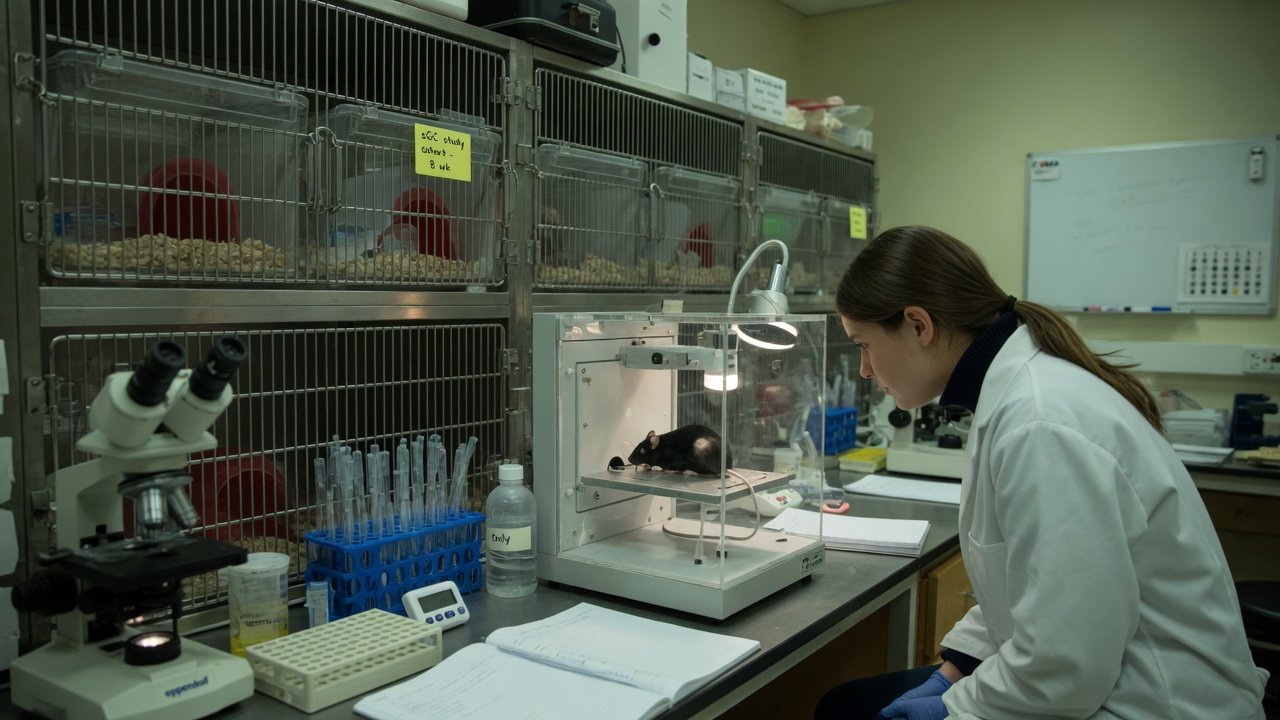
Featured image: AI-generated conceptual editorial image – not from the cited study / not a clinical photograph. تصویر: مصنوعی ذہانت سے تیار کردہ تصویری اداریہ — حوالہ شدہ تحقیق سے نہیں / کلینیکل فوٹو نہیں۔
Read the source → | اصل ماخذ پڑھیں ←
Educational digest only — not personal medical advice, not a diagnosis, and not a treatment recommendation. Discuss decisions with your treating clinician. یہ صرف تعلیمی خلاصہ ہے — ذاتی طبی مشورہ، تشخیص یا علاج کی سفارش نہیں۔ فیصلے اپنے معالج سے کریں۔
