0300 087 4232
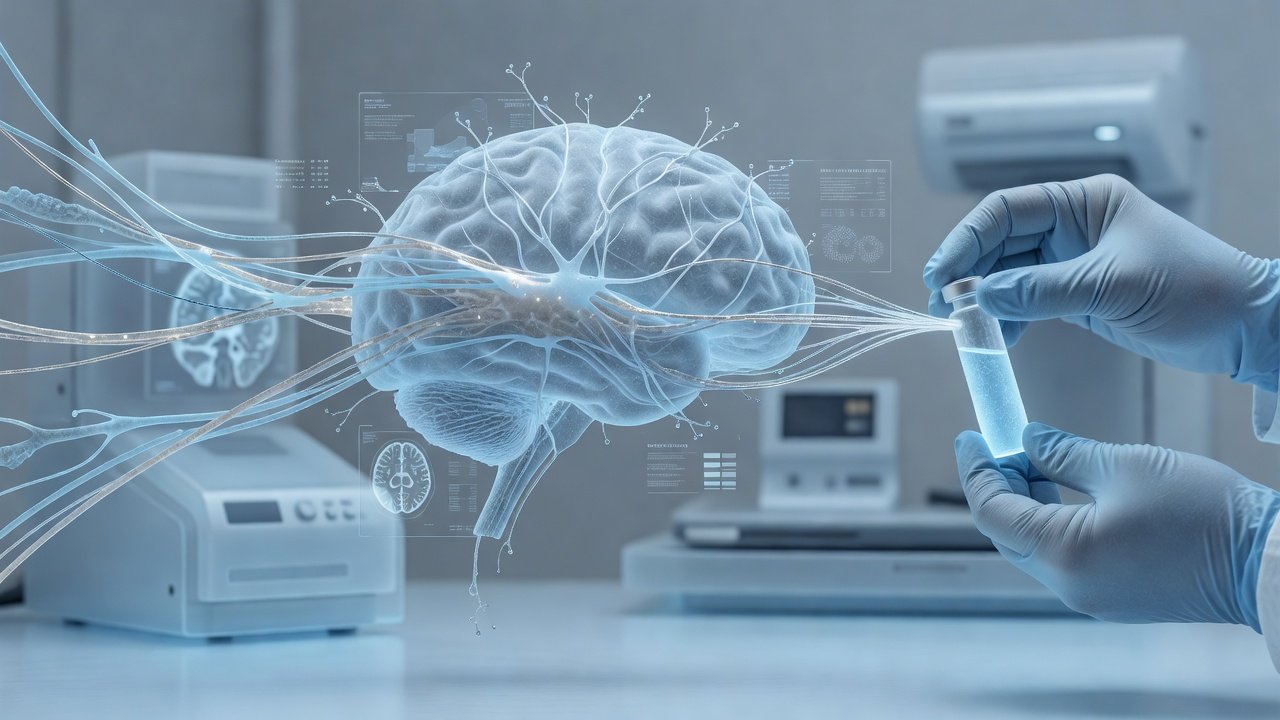
Plasma p-tau217 Tests for Alzheimer Diagnosis
Blood-based biomarkers are reshaping how clinicians approach suspected Alzheimer disease when advanced imaging and lumbar puncture are hard to obtain. For Pakistani practice—where PET and CSF assays remain scarce outside major centres—plasma p-tau217 offers a more accessible screening path that can support earlier, structured evaluation rather than delayed or purely clinical guesswork.
What changed
Phosphorylated tau at threonine 217 (p-tau217) measured in plasma has emerged as one of the stronger blood correlates of Alzheimer-type amyloid and tau pathology. Multiple research groups and recent clinical guidance discussions have highlighted that carefully validated plasma p-tau217 assays can help estimate the likelihood of Alzheimer pathophysiology in patients with cognitive symptoms, often with performance approaching CSF-based markers in research settings. What is new for day-to-day care is not a single miracle test, but clearer framing: blood tests are moving from research-only tools toward adjuncts that can triage who most needs confirmatory CSF analysis, amyloid PET (where available), or specialist follow-up. Assay platform, cut-offs, and pre-analytical handling still matter; results are probabilistic, not binary labels. Comorbidities, kidney function, and other neurodegenerative processes can influence interpretation, so plasma p-tau217 belongs inside a full clinical work-up—history, cognitive testing, structural imaging, and exclusion of reversible causes—not as a stand-alone verdict.
Why it matters
In settings like Bahawalpur and much of Pakistan, families often face long travel, cost, and limited access to PET or CSF biomarker labs. A venous blood draw is logistically simpler. Used wisely, plasma p-tau217 can reduce unnecessary invasive testing in low-probability cases, prioritise higher-probability patients for confirmatory studies, and support earlier counselling about lifestyle, vascular risk, medication review, and safety planning. It does not replace clinical judgement, nor does it currently substitute for formal diagnosis under established criteria when pathology confirmation is required. It also does not predict exact timelines of decline for any one person. For neurosurgeons and neurologists co-managing older adults with cognitive change, normal-pressure hydrocephalus questions, or post-operative cognitive concerns, knowing when a blood biomarker adds value—and when it does not—improves referral quality and avoids false reassurance or false alarm.
Patient takeaway
If you or a family member has progressive memory or thinking problems, start with a proper clinical assessment. Ask whether a validated plasma p-tau217 test is appropriate *after* basic evaluation, and how a positive or negative result would change the next step. Do not self-order commercial kits or treat a lab number as a diagnosis. Early discussion still helps: treat hearing and vision problems, review medicines, control blood pressure and diabetes, stay socially and physically active, and plan follow-up. *یادداشت: خون کا ٹیسٹ تشخیص کی پوری تصویر نہیں؛ ماہر سے مشورہ ضروری ہے۔*
Disclaimer
This post is for public education only. It does not diagnose any individual, recommend a specific commercial assay, or replace in-person medical care. Biomarker availability, laboratory standards, and guidelines evolve; decisions require a qualified clinician who knows the full history and local test quality.
Book consultation: [https://rx.drwasifmalik.com](https://rx.drwasifmalik.com) | WhatsApp +923458254232
Dr. Wasif Rizwan Malik | MBBS, FCPS (Neurosurgery) | PMDC 47983-P Consultant Neurosurgeon, Faraz Hospital, Bahawalpur
Educational only — not a substitute for clinical consultation. This daily brief is separate from the weekly Neuro Council deep-dive.
Published by: Dr. Wasif Rizwan Malik
Credentials: MBBS, FCPS (Neurosurgery), PMDC 47983-P