
 0300 087 4232
neurology · Level of evidence: Preclinical/animal
Scientists discover a brain “brake” that can shut down chronic pain
ScienceDaily (news summary of primary research; primary journal not stated in feed) · 2026
دائمی عصبی درد کے سرکٹس کے لیے قبل از کلینیکل ”دماغی بریک“ کا تصور
Scientific core · سائنسی خلاصہ
A ScienceDaily report dated August 2026 summarizes animal work in which researchers describe a brain-based “brake” that can shut down chronic nerve pain in mice by calming an overactive pain circuit. The news item states that more precise targeting of this system might one day allow strong pain relief without engaging opioid receptors throughout the whole body. No primary journal name, DOI, sample sizes, effect sizes, or safety data appear in the feed, so this digest cannot verify molecular targets, durability, or translation potential. Evidence level is preclinical/animal only: mouse circuit findings often fail to predict human efficacy or side-effect profiles. Educationally, the story reinforces core pain neuroscience—central sensitization, descending modulation, and the drive for non-opioid pathway specificity—which matters to spine surgeons, functional neurosurgeons, and trainees who manage neuropathic pain, failed back surgery syndrome, and neuromodulation referrals. Clinicians should await peer-reviewed primary data and human studies before any practice inference.
سائنس ڈیلی کی اگست ۲۰۲۶ رپورٹ جانوروں کی تحقیق کا خلاصہ ہے جس میں محققین ایک دماغی ”بریک“ بیان کرتے ہیں جو چوہوں میں دائمی عصبی درد کے زیادہ فعال سرکٹ کو پرسکون کر کے درد بند کر سکتی ہے۔ خبر کے مطابق اس نظام کو زیادہ درست نشانہ بنانا ایک دن پورے جسم کے اوپیوئیڈ ریسیپٹرز کو چھُوے بغیر طاقتور درد کم کر سکتا ہے۔ فیڈ میں اصل جرنل، ڈی او آئی، نمونے، اثر کے اعداد یا حفاظت نہیں؛ اس لیے مالیکیولر ہدف یا انسانی ترجمہ کی تصدیق نہیں ہو سکتی۔ ثبوت صرف قبل از کلینیکل/جانور ہیں—چوہوں کے نتائج اکثر انسانی فائدہ یا ضمنی اثرات کی پیش گوئی نہیں کرتے۔ تعلیمی طور پر یہ مرکزی سنسیٹائزیشن، نزولی کنٹرول، اور غیر اوپیوئیڈ راستوں کی اہمیت یاد دلاتا ہے، جو اسپائن اور فنکشنل نیورو سرجری اور نیوروپیتھک درد کے لیے مفید ہے۔ عمل سے پہلے ہم مرتبہ نظرثانی شدہ اصل ڈیٹا اور انسانی مطالعات کا انتظار ضروری ہے۔
Use this as a teaching hook on central pain circuits and why non-opioid, circuit-specific ideas attract neurosurgical interest—not as evidence to alter prescribing, blocks, or device selection. Residents should separate news tone from translational reality: mice, unknown primary paper details here, no human endpoints. Spine and pain specialists can link the concept to existing multimodal and neuromodulation frameworks while stressing evidence gates before clinic adoption.
اسے مرکزی درد سرکٹس اور غیر اوپیوئیڈ، سرکٹ مخصوص خیالات کی تدریس کے لیے استعمال کریں—نسخے، بلاک یا ڈیوائس تبدیل کرنے کی دلیل کے طور پر نہیں۔ ریزیڈنٹس خبر کی زبان اور حقیقت میں فرق کریں: چوہے، یہاں اصل مقالے کی تفصیل نامعلوم، کوئی انسانی انجام نہیں۔ اسپائن اور پین ٹیمیں تصور کو موجودہ ملٹی موڈل اور نیوروموڈولیشن ڈھانچے سے جوڑ سکتی ہیں مگر کلینک سے پہلے ثبوت کے دروازے واضح رکھیں۔
Scientists reported a way to calm chronic nerve-pain pathways in mice, described in news coverage as a brain “brake.” This is early laboratory research, not a proven treatment for people, and it is not a reason to change pain medicines on your own. Ask your clinician about established options for nerve pain while research continues.
سائنسدانوں نے چوہوں میں دائمی عصبی درد کے راستوں کو پرسکون کرنے کا ایک طریقہ بتایا، جسے خبروں میں دماغی ”بریک“ کہا گیا۔ یہ ابتدائی لیب تحقیق ہے، انسانوں کا ثابت شدہ علاج نہیں، اور خود سے درد کی دوائیں بدلنے کی وجہ نہیں۔ تحقیق جاری رہتے ہوئے عصبی درد کے معلوم اختیارات اپنے ڈاکٹر سے پوچھیں۔
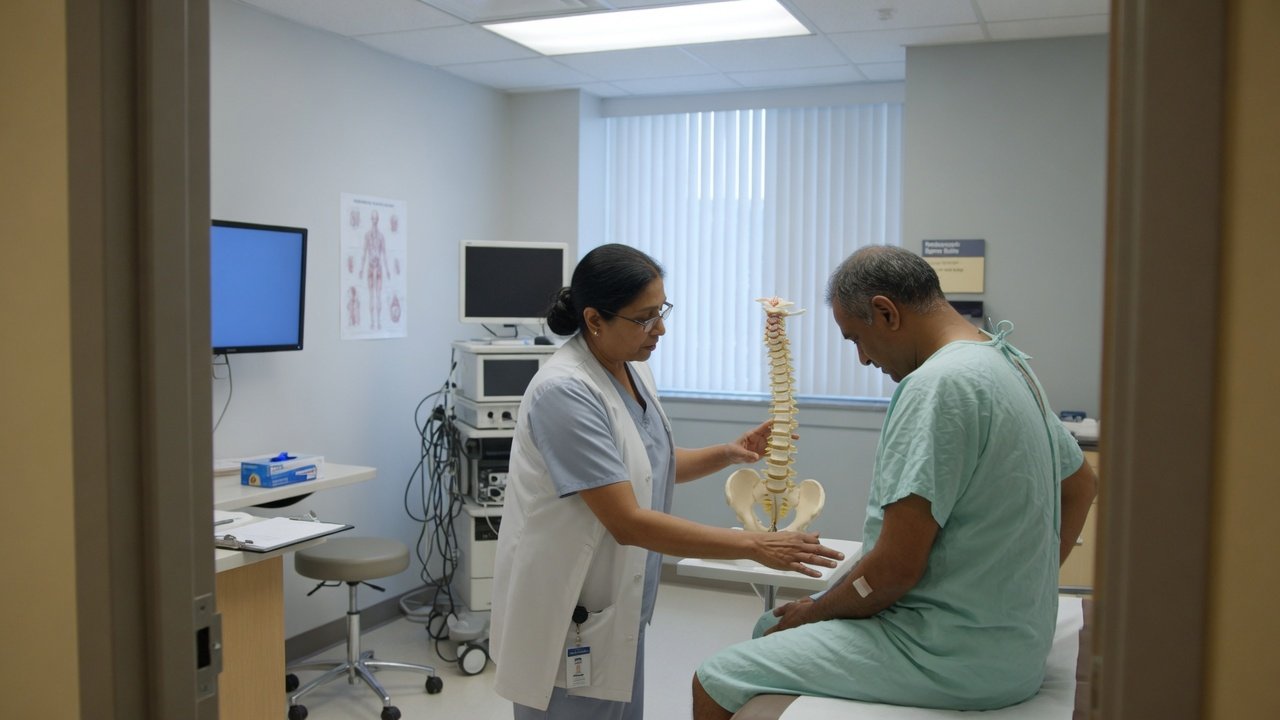
Featured image: AI-generated conceptual editorial image – not from the cited study / not a clinical photograph. تصویر: مصنوعی ذہانت سے تیار کردہ تصویری اداریہ — حوالہ شدہ تحقیق سے نہیں / کلینیکل فوٹو نہیں۔
Read the source → | اصل ماخذ پڑھیں ←
Educational digest only — not personal medical advice, not a diagnosis, and not a treatment recommendation. Discuss decisions with your treating clinician. یہ صرف تعلیمی خلاصہ ہے — ذاتی طبی مشورہ، تشخیص یا علاج کی سفارش نہیں۔ فیصلے اپنے معالج سے کریں۔
