
 0300 087 4232
neurology
سائنسدانوں نے بڑھاپے سے جڑی دماغی بیماریوں کے ممکنہ پوشیدہ محرک کا پتہ لگایا
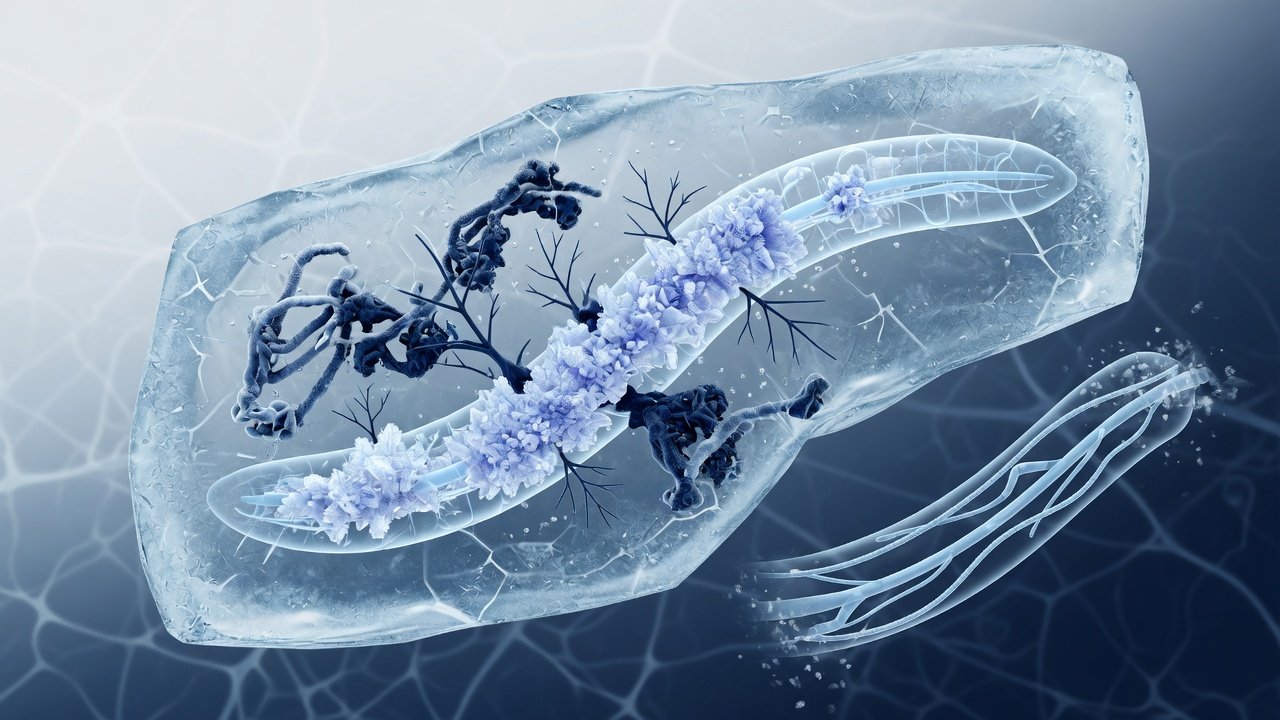
Scientists have identified a molecular switch that may help explain why aging makes the brain more vulnerable to diseases such as ALS and Huntington’s. In studies using worms, the protein EPS8 was observed to build up with age. This accumulation appears to trigger signaling that encourages toxic proteins to clump together, damaging neurons and shortening lifespan. When researchers reduced EPS8 activity, these harmful aggregates were prevented and nerve function was preserved. The work is early and based on a simple animal model, so results cannot be directly applied to people yet. Still, it offers a clearer biological clue about how age-related changes may worsen neurodegeneration. Further studies in more complex systems and eventually humans will be essential. This is laboratory science, not a treatment or diagnostic test available today. Patients and families should treat the finding as a hopeful research direction that may one day guide protective strategies, while continuing established medical care.
سائنسدانوں نے ایک مالیکیولر سوئچ کی نشاندہی کی ہے جو یہ سمجھانے میں مدد دے سکتی ہے کہ بڑھاپا دماغ کو اے ایل ایس اور ہنٹنگٹن جیسی بیماریوں کے لیے زیادہ کمزور کیوں بنا دیتا ہے۔ کیچوں پر کی گئی تحقیق میں دیکھا گیا کہ عمر کے ساتھ پروٹین EPS8 جمع ہوتا جاتا ہے۔ یہ جمع ہونا ایسے سگنلز کو متحرک کرتا دکھائی دیتا ہے جو زہریلے پروٹینوں کو گچھوں کی شکل میں اکٹھا کرتے ہیں، اعصابی خلیوں کو نقصان پہنچاتے ہیں اور عمر کم کر سکتے ہیں۔ جب سائنسدانوں نے EPS8 کی سرگرمی کم کی تو یہ نقصان دہ گچھے نہیں بنے اور اعصابی فعل محفوظ رہا۔ یہ ابتدائی کام ایک سادہ حیوانی ماڈل پر مبنی ہے اس لیے نتائج ابھی انسانوں پر براہ راست لاگو نہیں کیے جا سکتے۔ تاہم یہ بڑھاپے سے جڑی نیوروڈیجنریشن کے بارے میں ایک واضح حیاتیاتی اشارہ فراہم کرتا ہے۔ مزید پیچیدہ نظاموں اور بالآخر انسانوں میں تحقیق ضروری ہو گی۔ یہ لیبارٹری سائنس ہے، آج دستیاب علاج یا تشخیصی ٹیسٹ نہیں۔ مریض اور خاندان اسے محتاط امید کی تحقیقاتی سمت سمجھیں اور اپنے معمول کے طبی علاج جاری رکھیں۔
For families in Pakistan and the diaspora living with ALS or Huntington’s disease, this early research shows that scientists are actively mapping age-related molecular risks that may one day support better protection of nerve cells.
پاکستان اور بیرون ملک مقیم خاندانوں کے لیے جو اے ایل ایس یا ہنٹنگٹن کی بیماری کا سامنا کر رہے ہیں، یہ ابتدائی تحقیق بتاتی ہے کہ سائنسدان بڑھاپے سے جڑے مالیکیولر خطرات کو فعال طور پر سمجھ رہے ہیں جو ایک دن اعصابی خلیوں کی بہتر حفاظت میں مدد دے سکتے ہیں۔
Read the source → | اصل ماخذ پڑھیں ←
Educational digest only — not personal medical advice. Discuss decisions with your treating clinician. یہ صرف تعلیمی خلاصہ ہے — ذاتی طبی مشورہ نہیں۔ فیصلے اپنے معالج سے کریں۔
