
 0300 087 4232
cognition · Level of evidence: Translational/early clinical
2026
تناؤ کے ہارمون کورٹیسول کا دماغی ایم آر آئی میں نیویگیشن کمزوری سے تعلق
Scientific core · سائنسی خلاصہ
According to a ScienceDaily summary of an MRI study, stress-related cortisol was associated with worse performance when people navigated a virtual environment. Researchers reported disruption in the activity of grid cells—specialized neurons that support the brain’s sense of location in space (sometimes called an “internal GPS”). When external landmarks were absent, this navigation-related signal was described as nearly stopping, while another brain region appeared to help compensate. The feed does not give sample size, full methods, or whether findings extend to real-world wayfinding after head injury or stroke.
سائنس ڈیلی کے خلاصے کے مطابق ایک ایم آر آئی مطالعے میں تناؤ سے جڑے کورٹیسول کا تعلق مجازی ماحول میں راستہ تلاش کرنے کی کمزور کارکردگی سے بتایا گیا۔ محققین نے گرڈ سیلز—خصوصی نیوران جو دماغ میں مقام کا احساس سہارا دیتے ہیں (کبھی کبھی ’اندرونی جی پی ایس‘ کہا جاتا ہے)—کی سرگرمی میں خلل رپورٹ کیا۔ جب بیرونی نشانات موجود نہ تھے تو یہ نیویگیشن سگنل تقریباً رک سا گیا، جبکہ دماغ کا ایک اور حصہ معاوضہ دیتا دکھائی دیا۔ فیڈ میں نمونے کا سائز، مکمل طریقہ کار، یا یہ نتائج سر کی چوٹ یا فالج کے بعد حقیقی راستہ تلاش کرنے پر لاگو ہوتے ہیں یا نہیں، نہیں بتایا گیا۔
Educational bridge: acute stress may temporarily worsen spatial orientation and attention to surroundings—relevant to safety in recovery and rehabilitation. This is not evidence that stress permanently destroys navigation circuits, nor a stand-alone diagnostic test. Management still centers on treating the underlying neurological condition, reducing modifiable stressors when possible, and using practical landmarks and supervision when patients are disoriented. Await full methods before extrapolating to post-stroke or post-TBI wayfinding protocols.
تعلیمی پل: شدید تناؤ عارضی طور پر مکانی سمت شناسی اور اردگرد پر توجہ کمزور کر سکتا ہے—بحالی اور ری ہیب میں حفاظت کے لیے متعلقہ۔ یہ ثبوت نہیں کہ تناؤ نیویگیشن سرکٹس کو مستقل تباہ کر دیتا ہے، اور نہ ہی اکیلے تشخیصی ٹیسٹ ہے۔ انتظام اب بھی بنیادی عصبی حالت کے علاج، ممکنہ حد تک قابلِ ترمیم تناؤ کم کرنے، اور مریض کے بدحواس ہونے پر عملی نشانات و نگرانی پر مرکوز ہے۔ فالج یا ٹی بی آئی کے بعد راستہ تلاش کرنے کے پروٹوکول پر اطلاق سے پہلے مکمل طریقہ کار کا انتظار کریں۔
Stress hormones were linked with poorer virtual navigation in this MRI study. That does not mean everyday stress permanently damages your brain’s “GPS,” and it is not a new medical test. During recovery from neurological illness, extra stress can make orientation harder for a time—use clear landmarks, ask for help when needed, and follow your care team’s safety advice.
اس ایم آر آئی مطالعے میں تناؤ کے ہارمونز مجازی نیویگیشن کی کمزوری سے جڑے تھے۔ اس کا مطلب یہ نہیں کہ روزمرہ تناؤ دماغ کے ’جی پی ایس‘ کو مستقل نقصان پہنچاتا ہے، اور نہ یہ کوئی نیا طبی ٹیسٹ ہے۔ عصبی بیماری سے بحالی کے دوران اضافی تناؤ عارضی طور پر سمت شناسی مشکل بنا سکتا ہے—واضح نشانات استعمال کریں، ضرورت پڑنے پر مدد مانگیں، اور اپنی کیئر ٹیم کی حفاظتی ہدایات پر عمل کریں۔
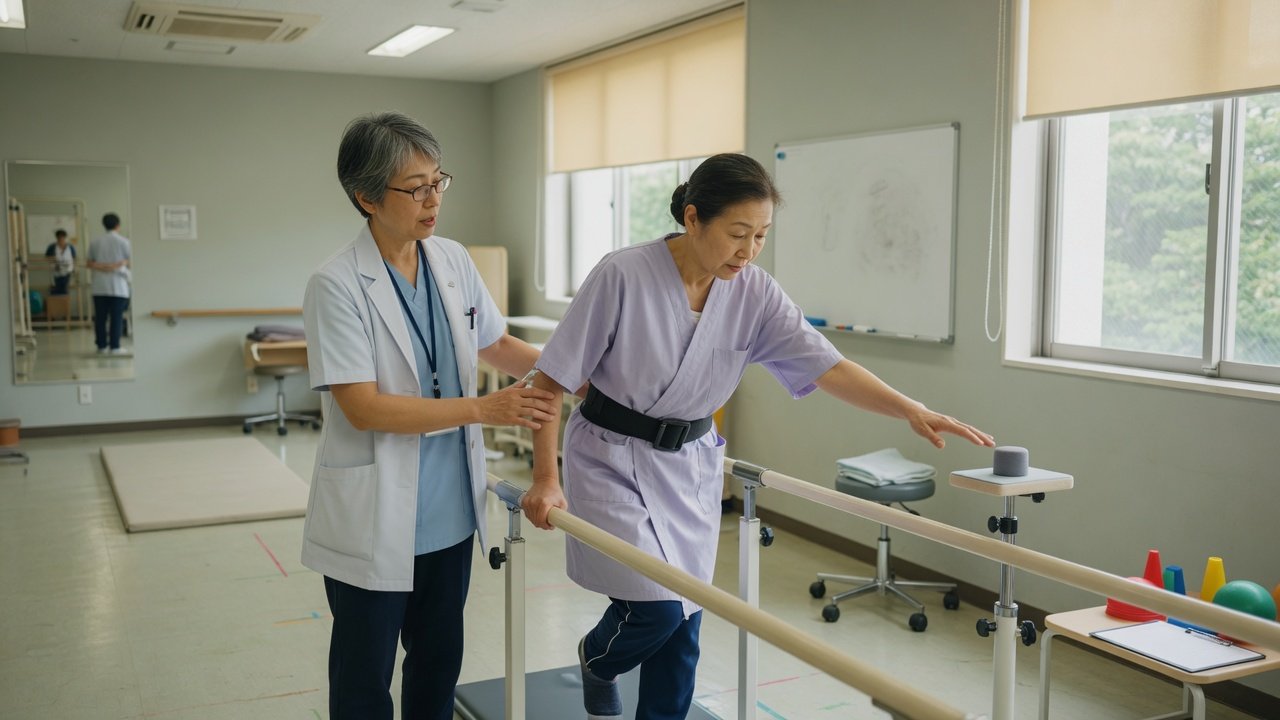
Featured image: AI-generated conceptual editorial image – not from the cited study / not a clinical photograph. تصویر: مصنوعی ذہانت سے تیار کردہ تصویری اداریہ — حوالہ شدہ تحقیق سے نہیں / کلینیکل فوٹو نہیں۔
Read the source → | اصل ماخذ پڑھیں ←
Educational digest only — not personal medical advice, not a diagnosis, and not a treatment recommendation. Discuss decisions with your treating clinician. یہ صرف تعلیمی خلاصہ ہے — ذاتی طبی مشورہ، تشخیص یا علاج کی سفارش نہیں۔ فیصلے اپنے معالج سے کریں۔
