
 0300 087 4232
Neurotrauma and Emergency · چوٹ اور ٹراما · Guidance
Head Injury (TBI)
سر کی چوٹ (ٹی بی آئی)

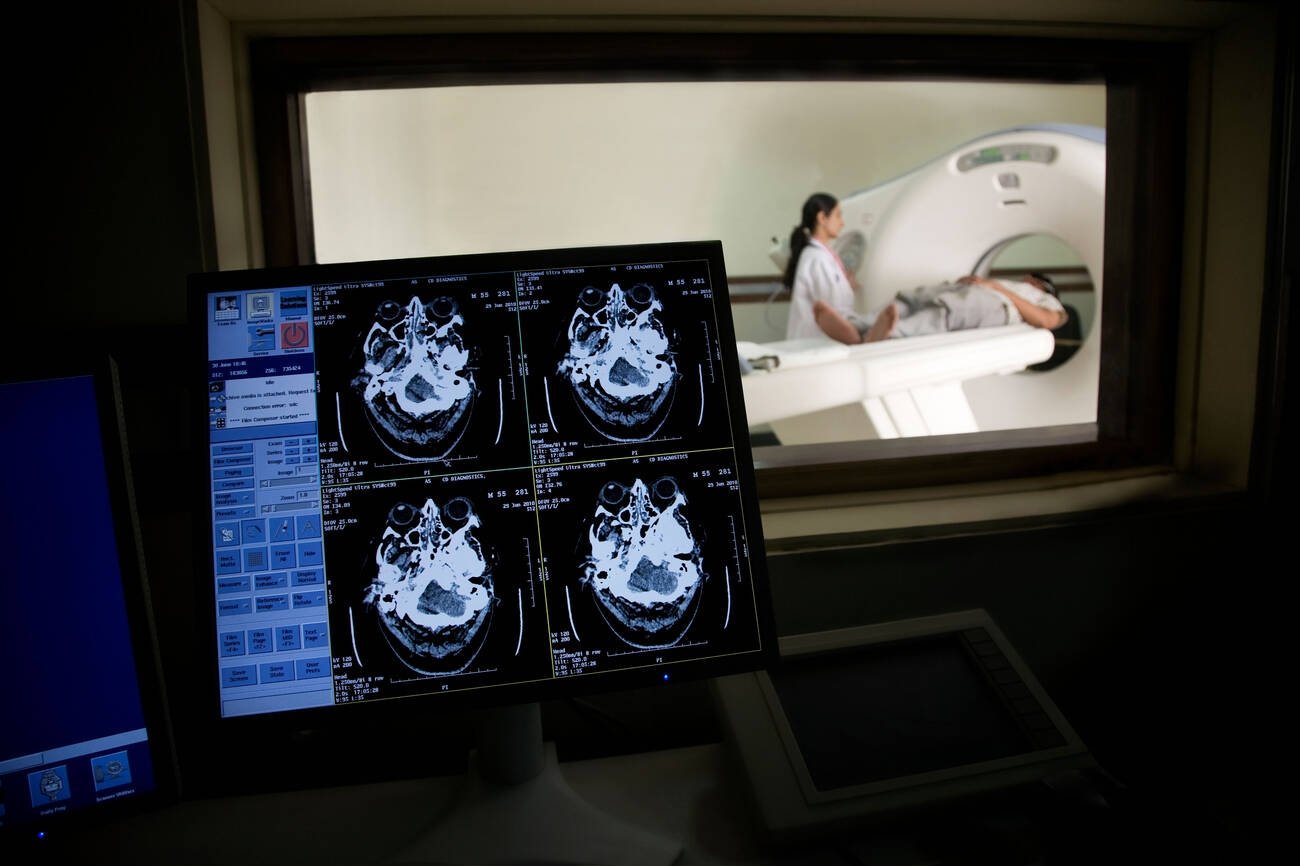
Editorial MRI/CT or related imaging for education — not a patient film. تعلیمی تصویر — مریض کا فلم نہیں۔
ملاقات بک کریں · واٹس ایپ · تمام خدمات
What it is
یہ کیا ہے
Traumatic brain injury (TBI) describes harm to the brain from a blow, fall, road crash, or assault. It ranges from mild concussion to severe injury with bleeding or swelling inside the skull. Most mild injuries improve with rest and graded return to activity, but some patients develop delayed clots or persistent symptoms and need specialist review. Moderate and severe TBI require hospital pathways, imaging, and sometimes surgery to protect the brain. This educational page from Dr. Wasif Rizwan Malik, Consultant Neurosurgeon at Faraz Hospital and Senior Registrar at BVH Bahawalpur, outlines warning signs, how TBI is assessed, and when observation versus operation is considered. It is not a substitute for emergency care. Life-threatening signs: call 1122 or attend BVH Emergency.
ٹرامیٹک برین انجری (ٹی بی آئی) ضرب، گرنے، سڑک حادثے، یا حملے سے دماغ کو پہنچنے والے نقصان کو کہتے ہیں۔ یہ ہلکی کنکشن سے لے کر کھوپڑی کے اندر خون بہنے یا سوجن والی شدید چوٹ تک ہو سکتی ہے۔ زیادہ تر ہلکی چوٹیں آرام اور بتدریج سرگرمی سے بہتر ہوتی ہیں، مگر بعض مریضوں میں تاخیر سے لوتھڑے یا مستقل علامات آتی ہیں جن کے لیے ماہر معائنہ چاہیے۔ درمیانی اور شدید ٹی بی آئی کو ہسپتال کے راستے، امیجنگ، اور کبھی دماغ بچانے کے لیے سرجری درکار ہوتی ہے۔ فراز ہسپتال میں کنسلٹنٹ نیورو سرجن اور بی وی ایچ بہاولپور میں سینئر رجسٹرار ڈاکٹر واصف رضوان ملک کا یہ تعلیمی صفحہ خطرے کی علامات، تشخیص کا طریقہ، اور نگرانی بمقابلہ آپریشن کب سوچا جاتا ہے، بیان کرتا ہے۔ یہ ایمرجنسی علاج کا متبادل نہیں۔ جان لیوا علامات پر 1122 یا بی وی ایچ ایمرجنسی۔
When to seek care
کب دیکھ بھال حاصل کریں
Common early features include headache, dizziness, nausea, brief confusion, sensitivity to light or noise, and memory gaps around the event. Red flags needing immediate emergency care: worsening headache, repeated vomiting, seizure, weakness or numbness, unequal pupils, slurred speech, unusual drowsiness, agitation, clear fluid from ear or nose, or any loss of consciousness that deepens. Children and older adults may show subtler changes in behaviour or balance. Even after a “normal” first assessment, new or progressive symptoms deserve urgent re-check. When in doubt after trauma, prefer the emergency department over waiting at home.
ابتدائی عام باتیں: دردِ سر، چکر، متلی، مختصر الجھن، روشنی یا شور کی حساسیت، اور واقعے کے گرد یادداشت کا خلاء۔ فوری ایمرجنسی کی سرخ جھنڈیاں: بڑھتا دردِ سر، بار بار قے، دورہ، کمزوری یا سن Sens، نایکساں پُتلیاں، لڑکھڑاتی تقریر، غیر معمولی نیند آلود گی، بے چینی، کان یا ناک سے صاف سیال، یا گہری ہوتی بے ہوشی۔ بچوں اور بڑی عمر والوں میں رویے یا توازن کی ہلکی تبدیلیاں ہو سکتی ہیں۔ پہلا معائنہ "نارمل" لگنے کے بعد بھی نئی یا بڑھتی علامات پر فوری دوبارہ چیک کروائیں۔ چوٹ کے بعد شک ہو تو گھر انتظار کے بجائے ایمرجنسی ترجیح دیں۔
Diagnosis
تشخیص
Assessment starts with trauma ABC stabilisation and a structured neurological exam, including Glasgow Coma Scale scoring where appropriate. CT brain is used when guidelines and clinical risk factors suggest possible intracranial bleeding, fracture, or mass effect; not every minor bump needs a scan, but high-risk mechanisms and red-flag symptoms do. MRI may help later for diffuse injury patterns in selected stable patients. Blood tests, cervical spine evaluation, and review of medicines (for example blood thinners) refine risk. Serial exams matter because TBI can evolve. Findings are explained to patients and families in accessible language before any observation or theatre plan.
جائزہ صدمے کی اے بی سی استحکام اور منظم اعصابی معائنے سے شروع ہوتا ہے، جہاں مناسب ہو گلاسگو کوما اسکیل سمیت۔ سی ٹی برین تب استعمال ہوتی ہے جب رہنما اصول اور طبی خطرے کے عوامل کھوپڑی کے اندر خون، فریکچر، یا دباؤ کا امکان بتائیں؛ ہر معمولی ٹکر پر اسکین ضروری نہیں، مگر اعلیٰ خطرے والے طریقے اور سرخ جھنڈی علامات پر ہوتا ہے۔ منتخب مستحکم مریضوں میں بعد میں پھیلے ہوئے نقصان کے لیے ایم آر آئی مدد دے سکتی ہے۔ خون کے ٹیسٹ، گردن کی ریڑھ کا جائزہ، اور ادویات (مثلاً خون پتلا کرنے والی) کا جائزہ خطرہ واضح کرتے ہیں۔ ٹی بی آئی بدل سکتی ہے اس لیے مسلسل معائنہ اہم ہے۔ نگرانی یا آپریشن سے پہلے نتائج مریض اور خاندان کو آسان زبان میں بتائے جاتے ہیں۔
Treatment options
علاج کے اختیارات
Mild TBI is often managed with observation, headache control, rest from contact sports or risky work, and clear return precautions. Moderate to severe injury may need airway support, blood-pressure and oxygen targets that protect the brain, seizure precautions, and ICU monitoring. Surgery is considered for significant acute subdural or epidural hematoma, large contusions with mass effect, open depressed fractures, or refractory raised pressure—commonly via emergency craniotomy or related decompressive procedures. Many patients never require an operation; careful non-operative care and repeat imaging are appropriate when the exam and scans are reassuring. Rehabilitation (physio, speech, cognitive support) is planned according to deficits. Non-emergency booking: https://rx.drwasifmalik.com · WhatsApp +92 345 825 4232. Emergencies: 1122 / BVH Emergency.
ہلکی ٹی بی آئی اکثر نگرانی، دردِ سر پر قابو، رابطہ کھیل یا خطرناک کام سے آرام، اور واضح واپسی ہدایات سے سنبھالی جاتی ہے۔ درمیانی تا شدید چوٹ میں ہوا کی نالی کی سپورٹ، دماغ محفوظ رکھنے والے بلڈ پریشر و آکسیجن اہداف، دورے کی احتیاط، اور آئی سی یو مانیٹرنگ درکار ہو سکتی ہے۔ بڑے تیز سب ڈورل یا ایپی ڈورل ہیمیٹوما، دباؤ والی بڑی کوفت، کھلے دبے فریکچر، یا نہ ماننے والے بڑھے دباؤ پر سرجری سوچی جاتی ہے—عموماً ہنگامی کرینیوٹومی یا متعلقہ ڈی کمپریسیو طریقوں سے۔ بہت سے مریضوں کو آپریشن کی ضرورت نہیں پڑتی؛ جب معائنہ اور اسکین اطمینان دہ ہوں تو محتاط غیر سرجیکل دیکھ بھال اور دہرائی امیجنگ مناسب ہے۔ ری ہیبلی ٹیشن (فزیو، اسپیچ، ذہنی سپورٹ) نقصان کے مطابق منصوبہ بندی کی جاتی ہے۔ غیر ہنگامی بکنگ: https://rx.drwasifmalik.com · واٹس ایپ +92 345 825 4232۔ ایمرجنسی: 1122 / بی وی ایچ ایمرجنسی۔
Advanced equipment & benefits
جدید آلات اور فوائد
Safe TBI care depends on prompt CT imaging, continuous monitoring of vital signs and neurological status, and, when surgery is required, a fully equipped neurosurgical theatre with magnification, controlled drilling, and reliable anaesthesia. C-arm fluoroscopy may assist in selected trauma contexts. Postoperative imaging checks that mass effect has been addressed. Equipment choices follow the clinical problem and what is operational at the treating hospital; the benefit to patients is faster clarification of bleeding, safer operative control when needed, and structured intensive care afterwards. Your neurosurgeon will describe the tools relevant to each stage.
محفوظ ٹی بی آئی دیکھ بھال فوری سی ٹی، حیاتیاتی علامات اور اعصابی حالت کی مسلسل نگرانی، اور سرجری درکار ہو تو مکمل لیس نیورو سرجیکل تھیٹر—میگنیفیکیشن، کنٹرولڈ ڈرلنگ، اور قابلِ اعتماد اینستھیزیا—پر منحصر ہے۔ منتخب صدمے کے سیاق میں سی آرم فلوروسکوپی مدد دے سکتی ہے۔ آپریشن بعد امیجنگ دیکھتی ہے کہ دباؤ کم ہوا۔ آلات کا انتخاب طبی مسئلے اور علاج کرنے والے ہسپتال میں فعال وسائل کے مطابق ہوتا ہے؛ مریض کو فائدہ خون کی تیز وضاحت، ضرورت پر محفوظ آپریٹو کنٹرول، اور بعد میں منظم Intensive Care کی صورت میں ملتا ہے۔ آپ کے نیورو سرجن ہر مرحلے سے متعلق آلات بیان کریں گے۔
What to expect
کیا توقع کریں
After mild injury, symptoms often settle over days to weeks; paced return to screen time, study, and work reduces setbacks. After moderate or severe TBI—or after cranial surgery—hospital stays vary, and fatigue, headaches, mood change, or concentration difficulty can linger. Healing is individual; comparing day-to-day progress with others is rarely helpful. Follow wound and medicine instructions, attend planned scans and clinic visits, and seek urgent help for new red flags. Long-term support may include physiotherapy and cognitive strategies. This information cannot predict any one person’s outcome; decisions remain individualised at Faraz Hospital and BVH under consultant guidance.
ہلکی چوٹ کے بعد علامات اکثر دنوں تا ہفتوں میں سکون پاتی ہیں؛ اسکرین، پڑھائی، اور کام کی بتدریج واپسی جھٹکے کم کرتی ہے۔ درمیانی یا شدید ٹی بی آئی—یا کرینیل سرجری—کے بعد ہسپتال قیام مختلف ہوتا ہے، اور تھکان، دردِ سر، مزاج کی تبدیلی، یا توجہ کی مشکل رہ سکتی ہے۔ شفا انفرادی ہے؛ روزمرہ ترقی کا دوسروں سے موازنہ کم ہی مفید۔ زخم اور دوا کی ہدایات پر عمل کریں، مقررہ اسکین و کلینک جائیں، اور نئی سرخ جھنڈیوں پر فوری مدد لیں۔ طویل مدتی سپورٹ میں فزیو تھراپی اور ذہنی حکمت عملیاں شامل ہو سکتی ہیں۔ یہ معلومات کسی ایک نتیجے کی پیش گوئی نہیں کر سکتیں؛ فیصلے فراز ہسپتال اور بی وی ایچ میں مشیر کی رہنمائی میں انفرادی رہتے ہیں۔
Deeper clinical reference in our Knowledge Base:
open related article
· all conditions
Educational note: This page supports understanding and discussion. It is not a substitute for personal clinical advice from your doctor.
Life-threatening symptoms (sudden severe headache, weakness, speech change, major head injury) → go to BVH Emergency or call 1122.
یہ صفحہ سمجھنے اور گفتگو کے لیے ہے۔ ذاتی طبی مشورے کا متبادل نہیں۔ خطرناک علامات پر بی وی ایچ ایمرجنسی یا 1122۔
ملاقات بک کریں · واٹس ایپ · تمام خدمات
